Burnham Highlights Midterm Opportunity to Address Global Living Crisis
UK PM Andy Burnham identifies opportunities from US midterms to unite nations on cost of living and Iran conflict resolution. Read latest political updates.
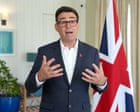
Burnham Identifies Strategic Opportunity Following US Midterm Elections
Following the recent US midterm results, Prime Minister Andy Burnham has expressed that the political shift creates a significant window for global cooperation. The US midterm results, according to Burnham, present an unprecedented chance for the international community to unite around pressing humanitarian and economic concerns that affect citizens worldwide.
During his address, Burnham emphasized that the momentum generated by the midterm election cycle should be leveraged to concentrate international efforts on tackling the cost of living crisis that continues to impact households across multiple nations. He articulated a vision where world leaders prioritize economic stability and social welfare above partisan political divisions.
Emphasis on Global Cooperation and Shared Priorities
The Prime Minister underscored his belief that unified action on the cost of living represents a cornerstone for rebuilding public confidence in international governance. Burnham stated that 'people want to see the world coming together and focusing on the things that matter to people,' signaling a shift toward consensus-based policymaking on economic matters.
Beyond domestic economic concerns, Burnham also identified the ongoing Iran conflict as a critical issue requiring coordinated international attention. His remarks suggest that the current political climate, reshaped by the US midterm results, provides an optimal moment for diplomatic engagement aimed at de-escalation and peaceful resolution.
UK Government Leadership on International Stage
Louise Haigh, standing in for Burnham during parliamentary proceedings, reinforced the government's commitment to national unity and remembrance. She highlighted that this weekend marks Remembrance Sunday, a significant occasion when the entire nation observes a period of silence to honor military service members and fallen soldiers.
This juxtaposition of international political strategy and domestic commemorative observance reflects the government's multifaceted approach to leadership. While addressing global economic and security challenges, the UK government simultaneously maintains focus on internal historical acknowledgment and national cohesion.
Cost of Living Crisis as Central Policy Priority
The cost of living remains at the forefront of governmental concern, with Burnham's commentary suggesting that the US midterm results have created diplomatic opening for concerted multilateral action. Economic hardship continues to reshape political landscapes across Western democracies, making this issue central to contemporary governance discussions.
Government officials recognize that addressing inflationary pressures, energy costs, and household expenses requires coordinated international responses rather than isolated national policies. The alignment of multiple nations around shared economic objectives could potentially establish frameworks for mutual support and resource optimization.
De-escalation Efforts and Regional Stability
The Iran conflict, which has long represented a flashpoint for international tensions, features prominently in Burnham's strategic outlook. His assertion that the current political moment offers opportunity for conflict resolution indicates a diplomatic prioritization shift within UK policy circles.
Such initiatives suggest that the UK government views the post-midterm environment as conducive to renewed diplomatic channels and negotiation frameworks. De-escalation efforts could potentially benefit from international consensus and coordinated diplomatic pressure toward peaceful settlements.
Looking Forward: Global Coordination Framework
As international stakeholders respond to evolving geopolitical circumstances, the emphasis on unified action around cost of living and conflict resolution sets an agenda for upcoming diplomatic engagements. Burnham's framing of the US midterm results as an opportunity rather than merely a political milestone demonstrates strategic thinking about leveraging electoral outcomes for constructive international purposes.
The government's positioning suggests that parliamentary sessions and international forums will increasingly focus on translating shared concerns into collaborative policy mechanisms. Whether such aspirations translate into concrete international agreements remains dependent on diplomatic skill, political will, and alignment of interests among global actors.