Budget 2026: £100 Energy Aid and Bank Tax Hike Amid Living Standards Warning
Budget 2026 introduces £100 energy payment for millions and raises bank tax. OBR warns living standards growth stalls at just 1% post-Covid decade.
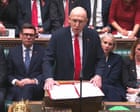
Budget 2026 Energy Payment and Tax Changes Announced
The Budget 2026 energy payment represents a significant measure to support households facing ongoing cost pressures, with millions set to receive £100 in direct assistance. Alongside this support initiative, the government has confirmed a rise in bank tax as part of broader fiscal measures designed to balance economic priorities and address growing concerns about household finances.
OBR Issues Critical Living Standards Forecast
The Office for Budget Responsibility has delivered a sobering assessment regarding UK living standards trajectory. According to the OBR's analysis, living standards are forecast to rise by merely 1% across the entire post-Covid decade, signaling a prolonged period of economic constraint. This modest growth projection underscores the challenges facing British households as they navigate persistent inflation and employment uncertainties.
The Budget 2026 energy payment announcement comes directly in response to these OBR warnings about stalling living standards. Policymakers recognize that without targeted interventions, household purchasing power will continue to erode, making direct financial assistance increasingly necessary.
Energy Bills Reform Takes Center Stage
Chancellor John Healey has outlined ambitious plans to reform the energy billing system, particularly addressing standing charges that add significant costs to household utility bills. During discussions with consumer finance expert Martin Lewis, Healey confirmed that standing charges have already been removed from gas bills, representing an initial victory for cost-conscious households.
The government's next objective involves eliminating standing charges from electricity bills as well. However, Healey acknowledged that this particular reform presents greater technical and regulatory complexity. The chancellor indicated he will be engaging directly with Ofgem, the energy regulator, to develop a workable framework for removing electricity standing charges, though this process will necessarily require additional time compared to the gas bill modifications.
Understanding the Budget 2026 Energy Payment Impact
The £100 energy payment will provide immediate relief to millions of households, though the exact eligibility criteria and distribution mechanism represent crucial implementation details. This direct assistance aims to bridge the gap created by the OBR's grim living standards forecasts, providing tangible support as families contend with rising expenses across multiple sectors.
Financial advisors and consumer advocates have welcomed the Budget 2026 energy payment as a practical step, though some argue that systemic reforms to energy pricing structures offer more lasting solutions than temporary financial transfers.
Bank Tax Increase and Fiscal Strategy
The rise in bank tax reflects the government's determination to fund social programs and infrastructure investments while managing public finances. By increasing taxation on financial institutions, policymakers aim to generate additional revenue without placing further burdens on households already struggling with cost-of-living pressures.
This approach attempts to balance competing fiscal demands: providing direct assistance through the Budget 2026 energy payment, funding public services, and maintaining fiscal sustainability. The strategy demonstrates a multi-pronged approach to addressing economic challenges highlighted in the OBR's living standards analysis.
Living Standards and Economic Recovery
The OBR's projection that living standards will grow by just 1% over the decade following the Covid pandemic reflects underlying structural economic challenges. Supply chain disruptions, inflationary pressures, and labor market adjustments continue to constrain real wage growth across many sectors.
The Budget 2026 energy payment and associated reforms represent attempts to cushion households against these broader economic headwinds. However, economists note that such measures, while welcome, address symptoms rather than root causes of the living standards stagnation identified by the OBR.
Implementation and Timeline Considerations
The government's commitment to removing electricity standing charges through Ofgem consultation suggests a phased implementation approach. While the Budget 2026 energy payment can be deployed relatively quickly, structural reforms to billing systems require careful coordination with energy suppliers and regulatory bodies to ensure smooth transition and continued service reliability.
Healey's acknowledgment that electricity standing charge removal will prove 'trickier' than gas bill modifications reflects the technical realities of managing different energy infrastructure systems. The government has signaled its commitment to pursuing these reforms despite complications, recognizing their importance to household budgets and long-term cost management strategies.