Afghan Women Face Healthcare Crisis After Taliban Bans Male Doctors
Taliban's unofficial restriction on male doctors treating women forces Afghan females into medical emergencies. Discover how this ban impacts healthcare access and women's health.
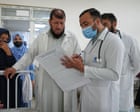
Taliban Ban on Male Doctors Creates Healthcare Emergency for Afghan Women
An unofficial Taliban restriction preventing male doctors from treating women has thrust Afghan females into a deepening medical crisis, leaving them with limited options when seeking essential healthcare services. This de facto policy, which lacks formal documentation but is widely enforced across Taliban-controlled territories, has created impossible situations for women desperately requiring medical attention, according to accounts shared with international media outlets and human rights organizations.
Personal Stories of Medical Hardship
Farida, a 37-year-old resident of Herat in western Afghanistan, experienced firsthand the devastating consequences of the Taliban ban on male doctors treating women. During a particularly difficult night in early July, she awakened with severe dental pain that progressively worsened over several days. The condition became unbearable—her molars on both sides of her mouth had deteriorated significantly over the years, leaving her unable to sleep or eat properly.
For years, Farida's teeth had suffered from neglect and deterioration. The intensity of her pain forced her into a desperate situation where she had no choice but to seek professional dental care at a clinic in the Bakrabad area of Herat. However, accessing this care proved far more complicated than simply walking into a clinic and receiving treatment from an available dentist.
Economic Struggles Compound Medical Challenges
Farida and her family had recently returned to Afghanistan from Iran earlier in the year, joining thousands of migrants forced to leave the country due to deportation pressures. Like many returnees facing economic hardship and limited employment opportunities, their financial situation had deteriorated significantly. In such straitened circumstances, visiting any healthcare provider has become an expensive luxury rather than a routine necessity.
The combination of economic vulnerability and the Taliban's unofficial policy regarding male doctors treating women created an extraordinarily difficult situation for Farida and countless other Afghan women. Women in her position must navigate not only the challenge of affording healthcare but also the additional barrier of finding female medical professionals willing and able to treat them.
Widespread Impact on Afghanistan's Healthcare System
The Taliban's restriction on male doctors treating women extends far beyond individual cases like Farida's. This policy has created systemic problems throughout Afghanistan's already fragile healthcare infrastructure. Many Afghan women now face situations where female doctors are simply unavailable or located too far from their homes to access. In rural areas particularly, the shortage of female healthcare providers means women may have no medical option at all.
Women have reported being turned away from clinics with instructions to 'go home,' even when experiencing serious medical emergencies. This shocking treatment reflects the enforcement of Taliban ideology within medical facilities across the country. The unofficial nature of the ban means it lacks formal written policy, yet healthcare workers understand they will face consequences for violating these expectations.
The Broader Implications for Women's Rights
The Taliban ban on male doctors treating women represents a broader rollback of women's rights and freedoms in Afghanistan. Since the Taliban's return to power, women have faced systematic restrictions on education, employment, and public participation. Healthcare restrictions add another layer of control and limitation on women's autonomy and wellbeing.
These constraints particularly affect vulnerable populations including pregnant women requiring obstetric care, women with gynecological conditions, and women experiencing medical emergencies where specialist treatment might be necessary. The lack of qualified female specialists in many medical fields means women may be unable to receive adequate treatment regardless of their willingness to seek care.
Healthcare Access Crisis Deepens
International organizations and human rights groups have documented the deteriorating healthcare situation for Afghan women under Taliban rule. The combination of economic collapse, brain drain of medical professionals, and ideological restrictions has created a perfect storm for healthcare access. Women's health outcomes continue to decline as preventive care and treatment options disappear.
Interviews conducted with patients, their families, and healthcare workers reveal the absurd and dangerous situations that result from the Taliban ban on male doctors treating women. Women describe being unable to access necessary medical care, experiencing worsening health conditions, and facing impossible choices between their health and their safety or financial security.
Future Outlook and International Concern
The situation remains dire and shows no signs of improvement. As long as the Taliban maintains its restrictions on male doctors treating women, Afghan women will continue facing healthcare emergencies with limited recourse. The international community continues to monitor the humanitarian situation while Afghan women navigate a healthcare system fundamentally shaped by ideological constraints rather than medical necessity.