Advanced Microscope Could Unlock Treatment for Incurable Bowel Disease
Revolutionary microscope technology offers hope for understanding inflammatory bowel disease. Discover how this breakthrough could lead to new treatments for Crohn's and ulcerative colitis.
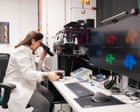
Revolutionary Microscope Technology Offers New Hope for Inflammatory Bowel Disease
Scientists are increasingly optimistic that cutting-edge microscopy innovation will unlock the mysteries surrounding inflammatory bowel disease and pave the way toward effective treatments. This groundbreaking technology represents a significant advancement in understanding the mechanisms behind incurable bowel conditions that affect millions globally. The development marks a turning point in gastrointestinal research, where traditional diagnostic methods have long fallen short.
Understanding the Growing Challenge of Inflammatory Bowel Disease
The prevalence of debilitating and incurable bowel conditions among younger populations continues to rise at an alarming rate worldwide. According to the British Society of Gastroenterology, the United Kingdom alone is home to more than half a million individuals managing inflammatory bowel disease throughout their lives. This encompasses primarily two distinct forms: Crohn's disease and ulcerative colitis, both of which severely impact quality of life and daily functioning.
The Current Impact on UK Population
The statistics reveal a concerning trend in modern healthcare. With over 500,000 people struggling with inflammatory bowel disease in Britain, the demand for effective solutions has never been more urgent. These chronic conditions impose substantial physical, emotional, and financial burdens on patients and healthcare systems alike, making research acceleration a critical priority.
Introducing 'Curie': The Game-Changing Microscope
Enter 'Curie,' a sophisticated microscopic instrument unlike anything previously developed for bowel disease research. This technological marvel operates at ten times the resolution capacity of conventional microscopy systems currently available in laboratories and medical facilities. Such unprecedented magnification capability enables researchers to observe cellular structures and biological processes at scales previously invisible to scientific investigation.
How Advanced Resolution Changes Research Possibilities
The tenfold improvement in resolution fundamentally transforms researchers' ability to examine tissue samples from patients with inflammatory bowel disease. At this magnification level, scientists can identify subtle molecular changes, cellular abnormalities, and inflammatory markers that conventional methods completely miss. This enhanced visualization creates opportunities to identify the root causes of these incurable conditions rather than merely treating symptoms.
Potential Breakthroughs and Treatment Development
The microscope's advanced capabilities could catalyze discoveries that lead directly to innovative treatment approaches. By revealing previously hidden aspects of disease pathology, researchers gain insights into mechanisms that trigger and perpetuate inflammatory bowel disease. These discoveries may reveal therapeutic targets that current medications and interventions cannot address.
From Laboratory Findings to Clinical Applications
The pathway from microscopic observation to practical treatment involves translating research findings into therapies that benefit patients. When researchers understand the fundamental biological processes driving inflammatory bowel disease through high-resolution microscopy, they can design targeted interventions. This approach differs from traditional trial-and-error methods, offering more precise and effective solutions.
The Scientific Community's Optimism
Researchers across gastroenterology and related disciplines express genuine enthusiasm about the potential impact of this microscopy advancement. The tool represents years of technological development and collaboration between engineers, biologists, and clinicians focused on addressing incurable bowel conditions. This collective investment reflects the medical community's commitment to improving outcomes for millions suffering from inflammatory bowel disease.
Collaborative Research Efforts
Multiple institutions and research centers are poised to utilize 'Curie' for groundbreaking investigations. The collaborative nature of modern scientific research means that discoveries made with this microscope will rapidly disseminate throughout the global research community. This accelerates the pace at which understanding translates into clinical applications.
Why This Technology Matters for Patients
For individuals living with Crohn's disease, ulcerative colitis, and other forms of inflammatory bowel disease, technological advances in research translate to hope for better management and potential cures. Current treatment options often focus on symptom suppression rather than addressing underlying causes. The microscope's ability to reveal fundamental disease mechanisms could shift this paradigm entirely.
The development of 'Curie' represents a pivotal moment in gastrointestinal medicine. As researchers harness its capabilities to study incurable bowel conditions at unprecedented magnification levels, the scientific foundation for breakthrough treatments strengthens. For the half-million-plus people in the UK managing inflammatory bowel disease daily, this technological innovation symbolizes concrete progress toward answers and relief.