
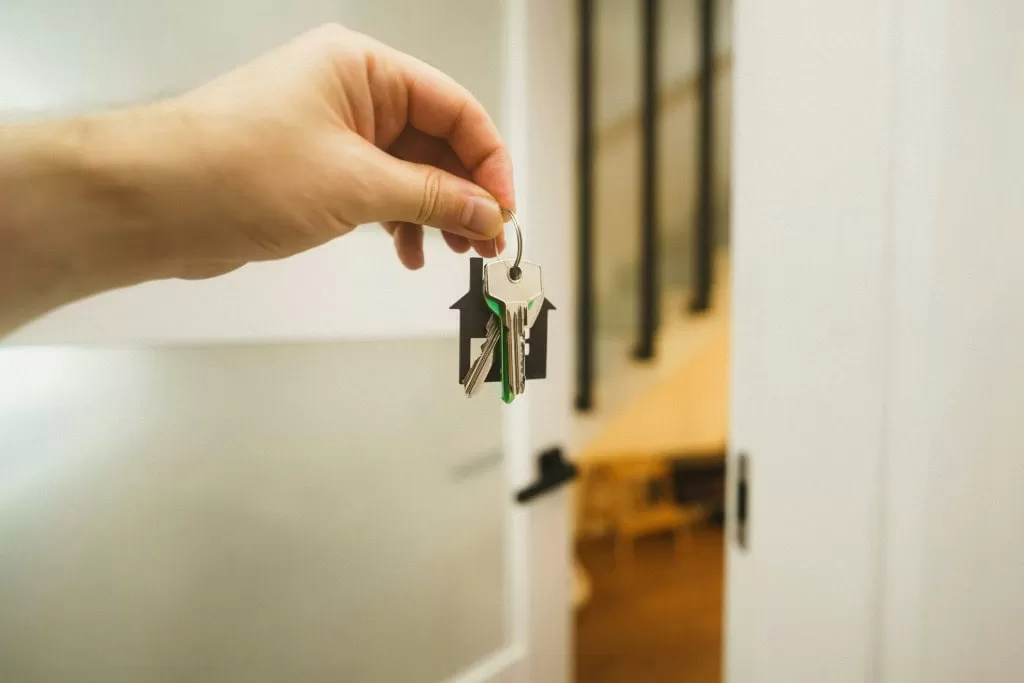
For many people, owning a home is a dream come true. It’s a symbol of financial stability and a place to call your own. However, for those with student loan debt, the thought of buying a house can feel like an impossible task. With the average student loan debt in the United States at over $30,000, it’s no wonder that many aspiring homeowners are wondering if they should prioritize paying off their loans before taking the plunge into homeownership. In this article, we’ll explore the pros and cons of paying off student loans before buying a house and provide some tips on how to make the best decision for your financial situation.
First, let’s address the elephant in the room – student loan debt. It’s no secret that student loans can be a major burden for many individuals. The monthly payments can eat up a significant portion of your income, making it difficult to save for a down payment on a house. Plus, having a large amount of debt can also affect your credit score, which is a crucial factor in the homebuying process. So, it’s understandable why many people feel like they should prioritize paying off their student loans before even considering buying a house.
On the other hand, there are also valid arguments for not waiting to pay off your student loans before buying a house. For one, the longer you wait to buy a house, the more you may end up paying in rent. In many cities, the cost of renting is comparable to a mortgage payment, if not more. So, if you’re able to afford a mortgage payment, it may make more financial sense to buy a house and start building equity rather than throwing money away on rent.
Additionally, interest rates are currently at historic lows, making it an opportune time to buy a house. By waiting to pay off your student loans first, you may end up missing out on these low rates and end up paying more in the long run. Plus, if you’re able to secure a low-interest rate on your mortgage, it may actually be more financially beneficial to use your extra money to invest in the stock market or other assets that have a higher potential for return.
So, what’s the right decision? Should you pay off your student loans before buying a house, or should you do both at the same time? The answer is – it depends. It ultimately comes down to your individual financial situation and priorities. Here are some factors to consider when making this decision:
1. Your Debt-to-Income Ratio
When you apply for a mortgage, lenders will look at your debt-to-income ratio (DTI) to determine your ability to make mortgage payments. Your DTI is calculated by dividing your total monthly debt payments by your gross monthly income. Ideally, lenders prefer a DTI of 36% or lower. So, if your student loan payments are eating up a significant portion of your income, it may be wise to pay them off before taking on a mortgage.
2. Your Credit Score
As mentioned earlier, your credit score plays a crucial role in the homebuying process. A higher credit score can help you secure a lower interest rate on your mortgage, which can save you thousands of dollars over the life of the loan. If your student loans are negatively impacting your credit score, it may be worth paying them off before buying a house.
3. Your Savings
Buying a house requires a significant amount of money upfront, including a down payment, closing costs, and other fees. If you’re struggling to save for these expenses while also paying off your student loans, it may be wise to focus on paying off your debt first. However, if you have enough savings to cover these costs and still have some leftover, it may be a good time to consider buying a house.
4. Your Long-Term Goals
It’s essential to consider your long-term goals when making this decision. Do you plan on staying in the same city for the next 5-10 years? Are you looking to start a family soon? These factors can influence whether it makes more sense to pay off your student loans first or buy a house. If you plan on staying in the same city for a while and have a stable job, it may be a good time to buy a house and start building equity. However, if you’re unsure about your future plans, it may be wise to focus on paying off your debt first.
So, what’s the verdict? Should you pay off your student loans