H5 Bird Flu Reaches Australia: Everything You Need to Know
H5 bird flu has arrived in Australia. Learn about the virus, its origins, human health risks, and impacts on agriculture and wildlife from expert analysis.
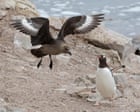
H5 Bird Flu Arrives on Australian Mainland
A highly contagious and deadly strain of avian influenza, identified as H5 bird flu, has now reached the Australian mainland, marking a significant development in the global spread of this infectious disease. Federal Agriculture Minister Julie Collins announced over the weekend that a brown skua, a wild migratory seabird discovered in Western Australia showing signs of illness, had tested positive and subsequently died from the H5N1 virus. This confirmation represents a critical moment for Australia's biosecurity framework and environmental management systems.
Understanding H5 Bird Flu and H5N1
H5 bird flu, scientifically designated as H5N1, belongs to a family of influenza viruses that predominantly affect avian species. The virus has demonstrated remarkable capacity for transmission across vast geographical distances, primarily through migratory bird populations that traverse international borders and continents. The pathogen causes severe respiratory illness in infected birds and can prove fatal within days of infection.
The H5N1 strain circulating globally has shown increased virulence compared to earlier variations of avian influenza. Wild birds, particularly waterfowl and seabirds like the brown skua involved in this Australian case, serve as natural reservoirs and vectors for viral transmission across regions. These species undertake annual migration patterns that facilitate the spread of H5 bird flu from endemic regions to previously unaffected areas.
Origins and Global Spread of the Virus
The H5N1 virus originated in East Asia during the 1990s and has since spread progressively across continents through natural wildlife movement patterns. The virus became particularly prevalent in Southeast Asian poultry farms before establishing itself in wild bird populations. International migratory corridors have enabled H5 bird flu to reach Europe, Africa, and now Oceania.
Scientists attribute the recent expansion of H5N1 to multiple factors, including climate change affecting migration patterns, increased human encroachment on wildlife habitats, and the virus's evolving adaptation to new host species. The Western Australian brown skua case indicates that the virus has successfully traversed the Southern Ocean, likely transported by infected migratory birds traveling from affected regions in the Northern Hemisphere.
Human Health Risk Assessment
Current epidemiological evidence suggests that the human transmission risk from H5 bird flu remains relatively low under normal circumstances. The virus typically requires direct contact with infected birds or their bodily fluids for potential human infection. Cases of human-to-human transmission of H5N1 remain exceptionally rare in documented medical literature.
However, health authorities emphasize that individuals working directly with infected birds—including wildlife handlers, veterinarians, and agricultural workers—face elevated exposure risks. Proper personal protective equipment and strict hygiene protocols are essential for anyone who may encounter affected avian populations. The arrival of H5 bird flu in Australia warrants enhanced surveillance and educational initiatives to inform at-risk populations about appropriate safety measures.
Agricultural Sector Implications
Australia's poultry and egg production industries face potential disruption from H5 bird flu, though current outbreak remains confined to wild populations. Commercial poultry operations implement strict biosecurity measures including secure housing systems, controlled feed and water sources, and personnel hygiene protocols designed to prevent wild bird contact.
The detection of H5 bird flu in Australian territory may trigger enhanced monitoring requirements for commercial poultry farms and stricter import restrictions on bird products from affected countries. Export restrictions could affect Australia's agricultural trade relationships, as trading partners implement precautionary measures. Farmers are advised to maintain heightened vigilance for signs of illness in their flocks and report suspicious deaths to agricultural authorities immediately.
Wildlife Management and Conservation Concerns
The arrival of H5 bird flu presents genuine challenges for Australia's native wildlife populations. Wild seabirds, waterfowl, and migratory species could face significant population impacts if the virus establishes itself in Australian ecosystems. The brown skua case demonstrates that H5 bird flu can affect marine bird species previously considered at lower risk.
Conservation experts express concern about potential cascading effects through food chains and ecosystem dynamics if the virus becomes endemic in Australian wildlife. Monitoring programs are being expanded to track H5N1 circulation among wild bird populations. Wildlife rehabilitators and ornithologists are receiving guidance on safe handling protocols and specimen collection procedures for infected or deceased birds.
Government Response and Biosecurity Measures
Australian authorities have activated elevated biosecurity protocols following confirmation of H5 bird flu in Western Australia. The Department of Agriculture is coordinating surveillance efforts, establishing testing facilities, and maintaining communication channels with state and territory health departments. International cooperation with neighboring Pacific nations is underway to monitor for additional cases.
Public awareness campaigns are being developed to educate Australians about recognizing sick wildlife and appropriate reporting procedures. Restrictions on bird-related activities in affected regions may be implemented based on epidemiological assessments. The government continues monitoring the situation closely as additional information becomes available.