
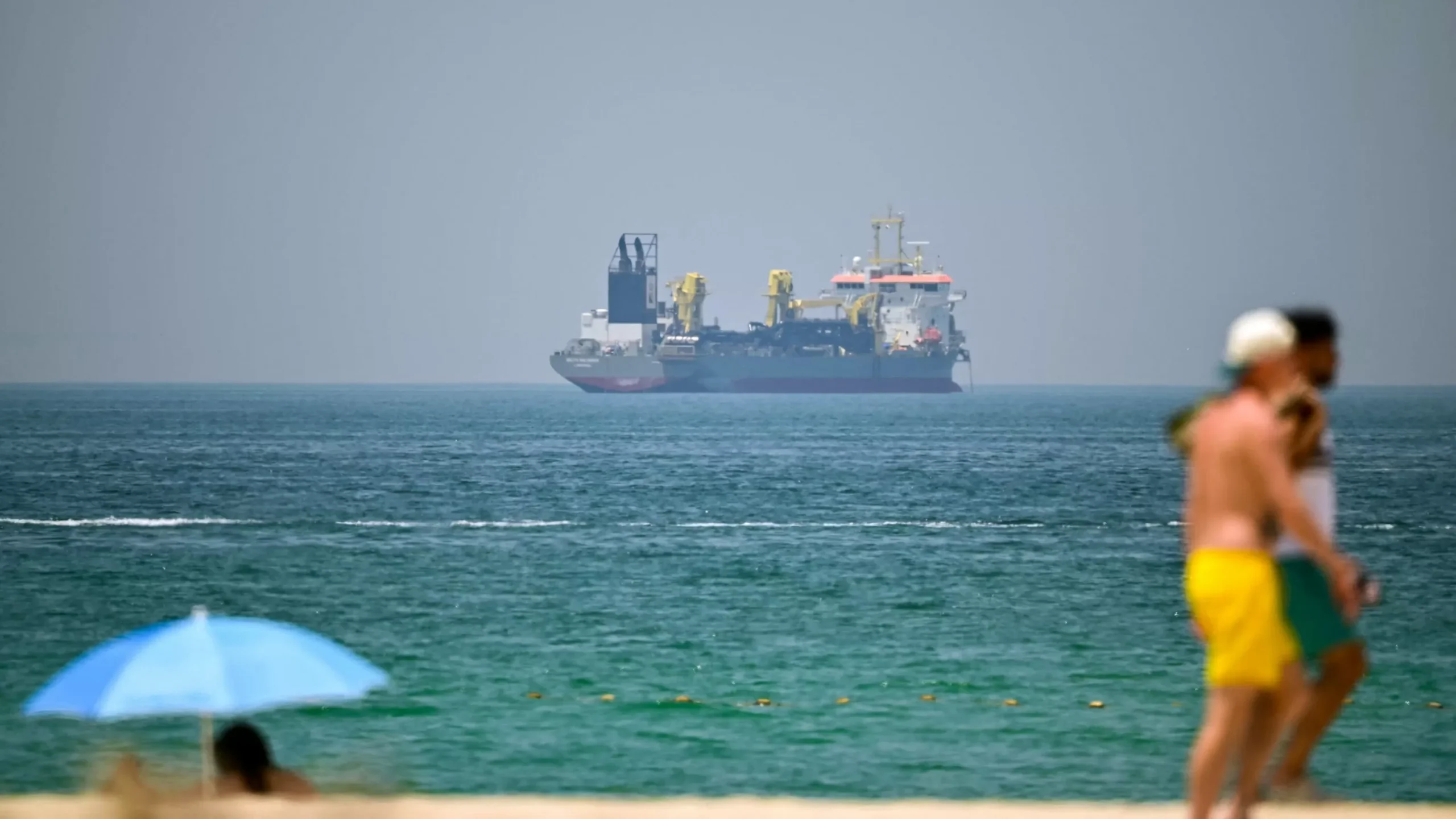
According to a recent report by the International Maritime Organization (IMO), nearly 20,000 people on approximately 2,000 vessels are currently trapped in the Persian Gulf. This situation has caused widespread concern and has caught the attention of the international community.
The Persian Gulf is a vital waterway for global trade, with over a fifth of the world’s oil passing through its waters. It is also a major hub for commercial and passenger shipping, making it a crucial route for people and goods. However, recent events have caused significant disruption and have led to thousands of seafarers being stranded at sea.
The COVID-19 pandemic has had a devastating impact on the maritime industry, with many countries imposing strict travel restrictions and lockdown measures. This has resulted in crew changes and repatriations being delayed, leaving seafarers stranded on their ships for extended periods. The IMO estimates that there are currently over 400,000 seafarers stuck at sea, unable to return home to their families and loved ones.
Among these seafarers are the nearly 20,000 individuals trapped in the Persian Gulf. These brave men and women have been working tirelessly to keep global trade flowing, despite the challenging circumstances they face. They have been away from their families and homes for months, and their mental and physical well-being is being severely impacted.
The IMO has raised concerns about the humanitarian crisis that is unfolding in the Persian Gulf. Seafarers are exhausted, and their mental health is deteriorating due to the uncertainty and isolation they are experiencing. The shipping industry has been calling for urgent action to be taken to address this crisis and ensure the well-being of these essential workers.
In response to these concerns, the IMO has urged all governments to designate seafarers as key workers and to exempt them from travel restrictions. This would allow them to be repatriated and replaced by fresh crew, ensuring that ships can continue to operate without compromising the safety and well-being of the crew.
The IMO has also called for the implementation of practical solutions, such as the use of charter flights and designated ports for crew changes, to facilitate the safe repatriation of seafarers. It has been working closely with governments and industry stakeholders to find ways to address this crisis and ensure the welfare of seafarers.
In addition to the efforts of the IMO, various organizations and individuals have also stepped up to help those trapped in the Persian Gulf. The international shipping community has come together to provide support and assistance to seafarers in need. This includes initiatives such as the Sailors’ Society’s Crisis Response Network, which offers a 24/7 helpline for seafarers to reach out for mental health support.
The situation in the Persian Gulf highlights the crucial role that seafarers play in keeping our global economy afloat. They are the unsung heroes of the maritime industry, who have continued to work tirelessly despite the challenges they face. It is essential that their well-being is prioritized, and solutions are found to ensure their safe return home.
As we navigate through these uncertain times, it is crucial to remember the sacrifices that seafarers are making to keep our world connected. We must also recognize the importance of the maritime industry and the need to ensure the well-being of its workers. Let us come together and support those who are on the frontlines, ensuring that the world can continue to function.
In conclusion, while the situation in the Persian Gulf may seem dire, there is hope on the horizon. The efforts of the IMO, along with the support of the international community, are making a difference in the lives of those trapped at sea. Let us continue to work towards finding solutions and supporting our seafarers, who are the backbone of the global shipping industry. Together, we can overcome this crisis and emerge stronger and more resilient.