
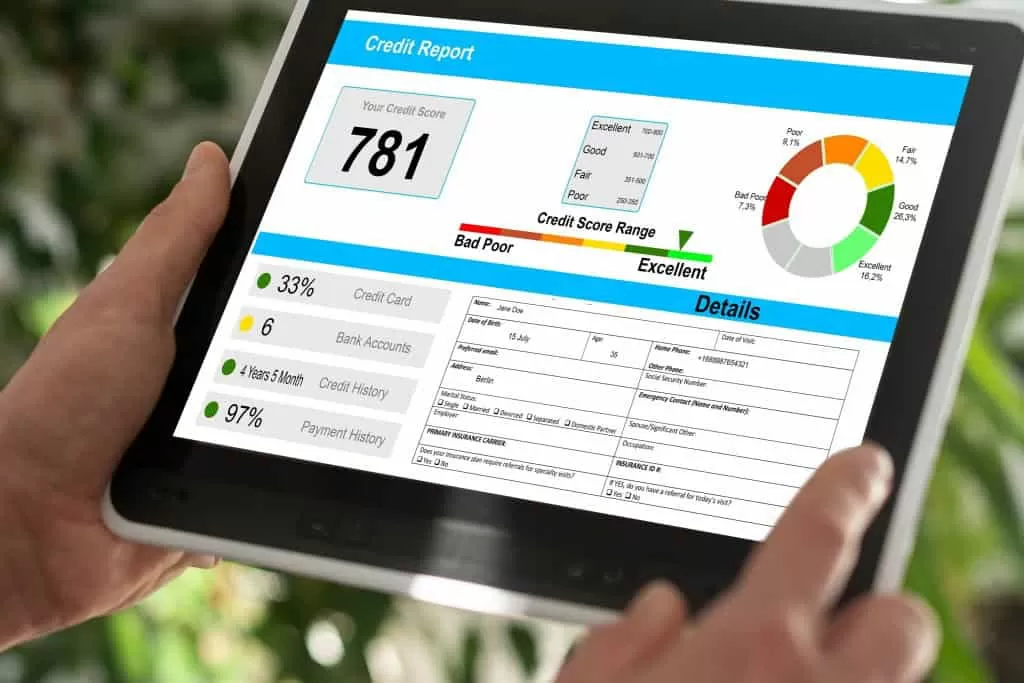
Are you dreaming of buying your own home but worried about your credit score? You’re not alone. Many potential homebuyers are concerned about their credit score and how it may affect their ability to secure a mortgage. The good news is that with some practical steps and a bit of patience, you can improve your credit score and become mortgage-ready in no time. In this article, we’ll take a closer look at how long it takes to improve your credit score and provide you with a timeline to help you achieve your goal of homeownership.
First, let’s understand what a credit score is and why it’s important when buying a home. Your credit score is a three-digit number that represents your creditworthiness. It is based on your credit history and is used by lenders to determine your credit risk. A higher credit score indicates that you are a responsible borrower and are more likely to make timely payments. This makes you a more attractive candidate for a mortgage and can help you secure a lower interest rate.
So, how long does it take to improve your credit score? The answer to this question depends on your current credit score and the steps you take to improve it. Generally, it takes around six months to a year to see a significant improvement in your credit score. However, it’s important to note that there is no quick fix when it comes to credit scores. It takes time and effort to build a good credit score, but the end result is worth it.
Now, let’s take a look at some practical steps you can take to improve your credit score and become mortgage-ready.
Step 1: Check your credit report
The first step in improving your credit score is to check your credit report. You are entitled to one free credit report per year from each of the three major credit bureaus – Equifax, Experian, and TransUnion. Review your credit report carefully and make sure there are no errors or fraudulent activities. If you find any discrepancies, report them immediately to the credit bureau.
Step 2: Pay your bills on time
One of the most important factors that affect your credit score is your payment history. Make sure to pay all your bills on time, including credit card bills, utility bills, and loan payments. Late payments can have a negative impact on your credit score, so it’s crucial to make timely payments.
Step 3: Reduce your credit card balances
Another factor that affects your credit score is your credit utilization ratio, which is the amount of credit you are using compared to your credit limit. Ideally, you should keep your credit utilization ratio below 30%. If you have high credit card balances, try to pay them off or at least reduce them to improve your credit score.
Step 4: Don’t open new credit accounts
Opening new credit accounts can lower your credit score, especially if you have a short credit history. It’s best to avoid opening new credit accounts while you are trying to improve your credit score.
Step 5: Keep old credit accounts open
The length of your credit history also plays a role in your credit score. If you have old credit accounts that are in good standing, keep them open. This will help to increase the average age of your credit accounts and improve your credit score.
Step 6: Be patient
As mentioned earlier, there is no quick fix when it comes to credit scores. It takes time and patience to see a significant improvement. Be consistent with your efforts and don’t get discouraged if you don’t see immediate results.
Now that you know the steps to improve your credit score, let’s take a look at a timeline to help you become mortgage-ready.
6 months before buying a home:
– Check your credit report and dispute any errors or fraudulent activities.
– Pay all your bills on time.
– Reduce your credit card balances.
– Avoid opening new credit accounts.
3 months before buying a home:
– Continue to make timely payments and reduce your credit card balances.
– Keep old credit accounts open.
– Consider getting a secured credit card if you have a limited credit history.
1 month before buying a home:
– Check your credit score and make sure it has improved.
– Get pre-approved for a mortgage to determine how much you can afford.
By following these steps and timeline, you can improve your credit score and become mortgage-ready in as little as six months. However, it’s important to note that every individual’s credit situation is different, and it may take longer for some