
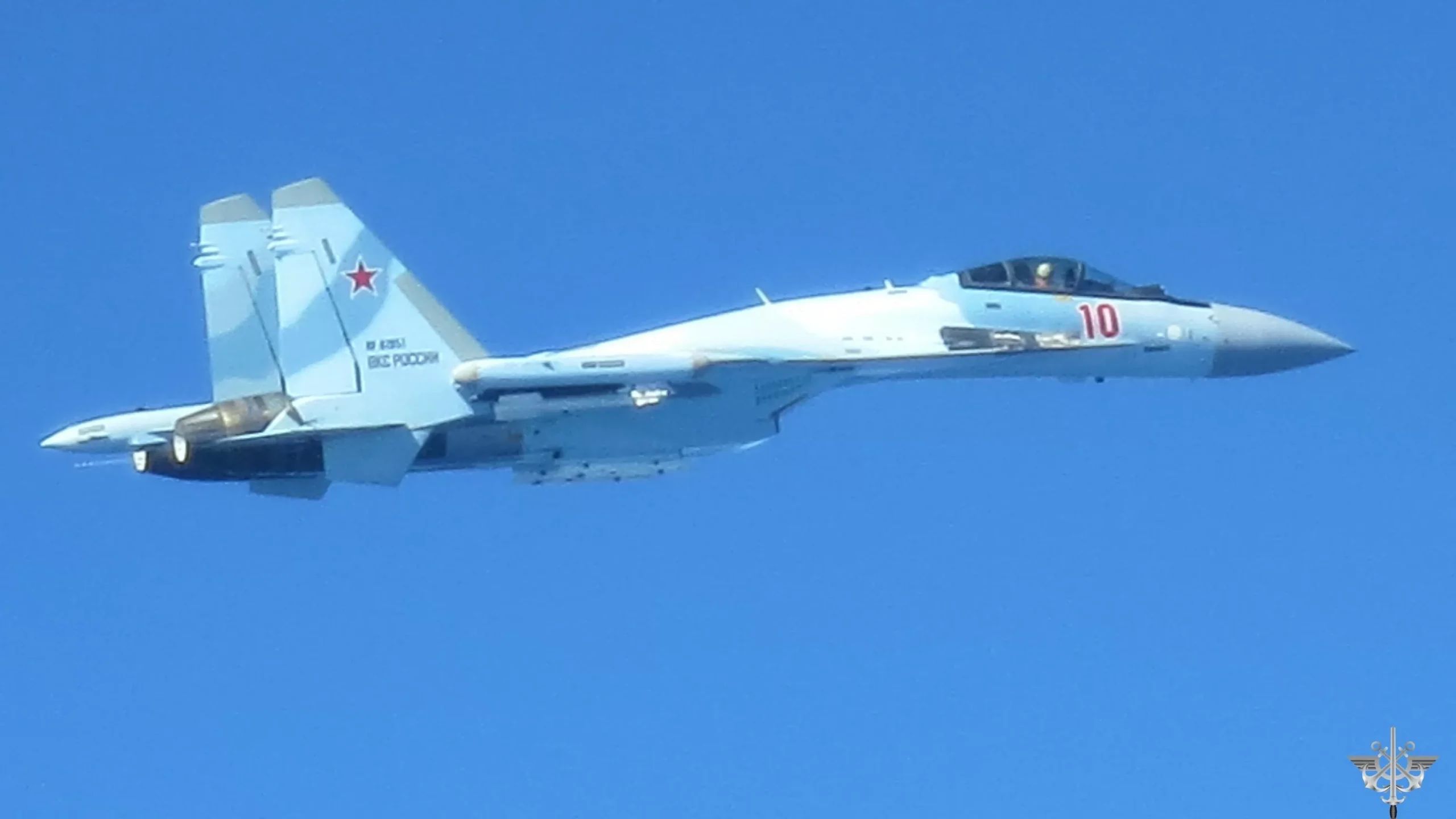
NATO has once again proven its strength and commitment to protecting its member countries. In a recent interception, NATO forces detected and intercepted Russian bombers and fighter jets over the Baltic Sea.
This incident occurred on Tuesday, when NATO’s Baltic Air Policing mission detected two Russian Tu-22M3 bombers and two Su-27 fighter jets flying over the Baltic Sea. The Russian aircrafts were flying in international airspace, but they had not filed a flight plan or communicated with air traffic control, which raised concerns for NATO.
In response, NATO scrambled fighter jets from the Polish and Danish air forces to intercept the Russian aircrafts. The intercept was conducted in a safe and professional manner, with the NATO fighters visually identifying and escorting the Russian jets until they left the Baltic Sea.
This interception is not an isolated incident. In fact, it is just one of many recent encounters between NATO and Russian military aircrafts. In the past year, NATO has conducted over 400 intercepts of Russian aircrafts, which is a significant increase compared to previous years.
These frequent encounters are a reflection of the increased military activity in the region, particularly by Russia. Since the annexation of Crimea in 2014, Russia has been flexing its military muscles and conducting more aggressive maneuvers near NATO’s borders.
However, NATO remains vigilant and ready to respond to any potential threats. The Baltic Air Policing mission, which is part of NATO’s wider Air Policing mission, has been in place since 2004 to ensure the integrity of the airspace of NATO’s Baltic member countries – Estonia, Latvia, and Lithuania.
This mission is a clear demonstration of NATO’s commitment to collective defense and the protection of its member countries. It also serves as a deterrent to any potential aggressor, sending a strong message that NATO is ready and able to respond to any threats to its security.
The successful interception of the Russian bombers and fighter jets over the Baltic Sea is a testament to the professionalism and capabilities of NATO’s forces. It also highlights the importance of cooperation and coordination among NATO member countries in ensuring the security of the alliance.
NATO Secretary General Jens Stoltenberg praised the swift and effective response of the NATO forces, stating that “NATO is a defensive alliance and we will continue to remain vigilant and act accordingly to ensure the safety and security of all our members.”
Moreover, this interception is a reminder of the importance of transparency and adherence to international norms and regulations in airspace. NATO has always been committed to open and transparent communication, and expects the same from all countries.
In the aftermath of this incident, NATO has once again called on Russia to respect international law and to act responsibly in the airspace of the Baltic Sea. This is not the first time that NATO has raised concerns over Russian military activities in the region, and it is crucial that these concerns are addressed in a peaceful and cooperative manner.
In conclusion, the successful interception of Russian bombers and fighter jets over the Baltic Sea is a clear demonstration of NATO’s strength and commitment to ensuring the security of its member countries. The alliance remains vigilant and ready to respond to any potential threats, while also promoting transparency and adherence to international norms. As we continue to face challenges to our security, NATO stands united and determined to protect its members and maintain peace and stability in the region.