
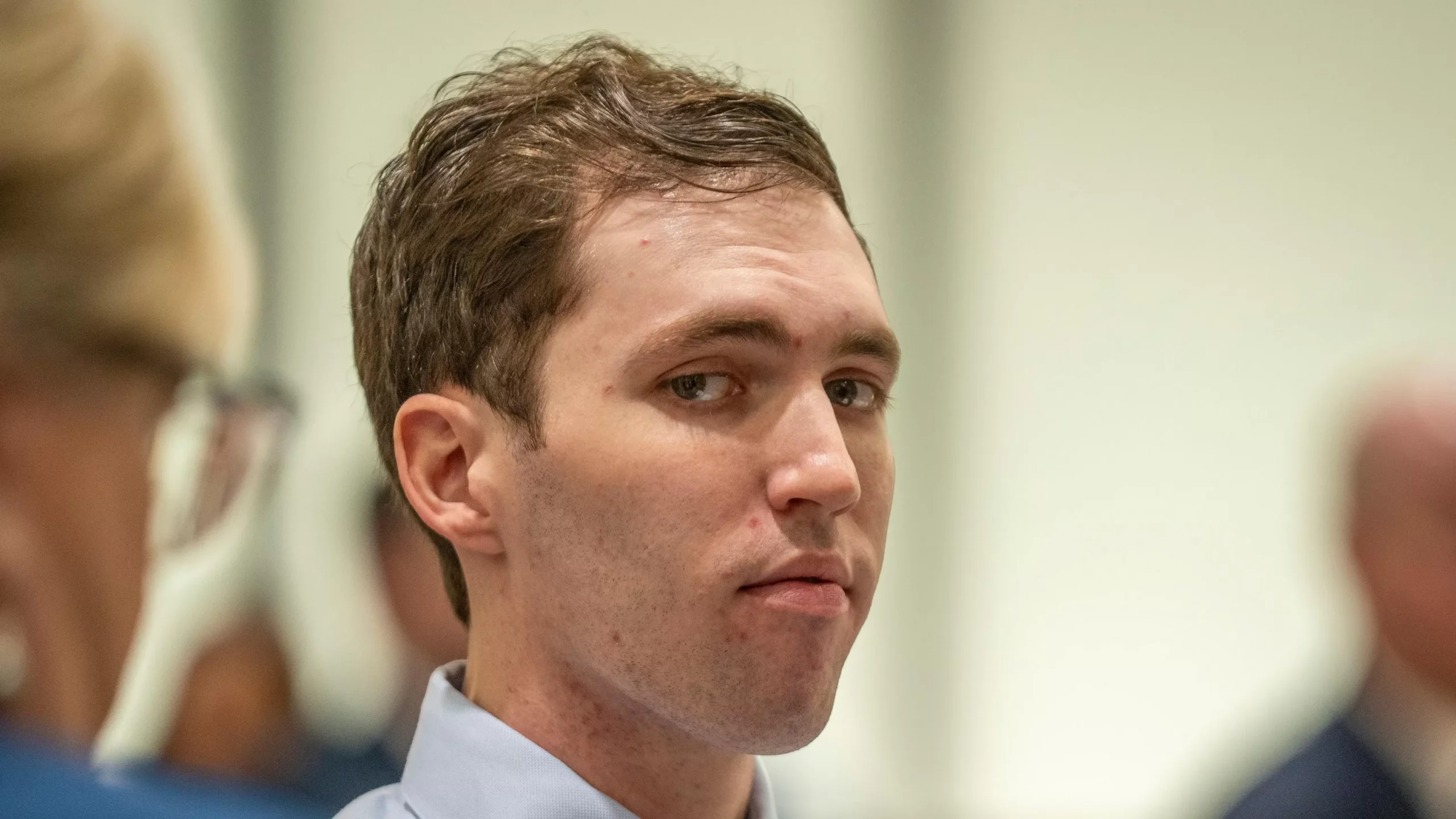
Cameras in U.S. Courtrooms: A Window into Notorious Criminal Proceedings
The American justice system has long been a subject of fascination for people around the world. From high-profile criminal cases to controversial legal decisions, the U.S. courtrooms have always been a source of intrigue and curiosity. However, until recently, the inner workings of these courtrooms were largely shrouded in mystery, with only written accounts and sketches to offer a glimpse into the proceedings. But with the introduction of cameras in U.S. courtrooms, the world has been given a portal into the heart of the American justice system.
The use of cameras in courtrooms has been a topic of debate for decades. Many argued that it would compromise the integrity of the legal process and potentially influence the outcome of the case. However, in 1991, the U.S. Supreme Court ruled that the use of cameras in federal courtrooms was at the discretion of the presiding judge. This decision opened the door for cameras to be used in high-profile criminal cases, and the impact has been nothing short of revolutionary.
One of the most significant benefits of cameras in courtrooms is the transparency it provides. For the first time, the public can witness the entire legal process, from the opening statements to the final verdict. This has not only increased public trust in the justice system but has also allowed for a better understanding of the complexities of the legal process. With cameras, the public can see firsthand how evidence is presented, how witnesses are cross-examined, and how the judge and jury deliberate. This transparency has also helped to dispel any misconceptions or biases that may exist about the legal system.
Moreover, cameras in courtrooms have also played a crucial role in educating the public about the law. By broadcasting high-profile criminal cases, viewers can gain a better understanding of the legal principles and procedures involved. This has been particularly beneficial for students studying law, as they can now witness real-life examples of the concepts they are learning in the classroom. Additionally, the use of cameras has also sparked an interest in the legal system among the general public, leading to a more informed and engaged society.
The impact of cameras in courtrooms has been particularly significant in notorious criminal proceedings. These cases, which often involve high-profile defendants and heinous crimes, have always captured the attention of the public and the media. However, with cameras now allowed in these courtrooms, the world has been given a front-row seat to some of the most infamous trials in U.S. history. From the O.J. Simpson trial to the Casey Anthony case, cameras have provided a unique insight into these high-profile cases, allowing the public to form their own opinions based on the evidence presented.
Furthermore, the use of cameras in courtrooms has also had a positive impact on the legal system itself. With the knowledge that their proceedings are being broadcasted, judges, lawyers, and witnesses are held to a higher standard of conduct. This has led to a more professional and respectful environment in the courtroom, ensuring that justice is served in a fair and impartial manner.
Of course, the use of cameras in courtrooms is not without its challenges. There have been concerns about the potential for sensationalism and the invasion of privacy for those involved in the case. However, these issues can be addressed through strict guidelines and regulations, such as limiting the use of cameras to certain portions of the trial and protecting the identities of witnesses and jurors.
In conclusion, the introduction of cameras in U.S. courtrooms has been a game-changer for the American justice system. It has provided the world with a portal into the inner workings of notorious criminal proceedings, offering transparency, education, and a better understanding of the legal process. With the continued use of cameras in courtrooms, the American justice system can continue to evolve and improve, ensuring that justice is served for all.