
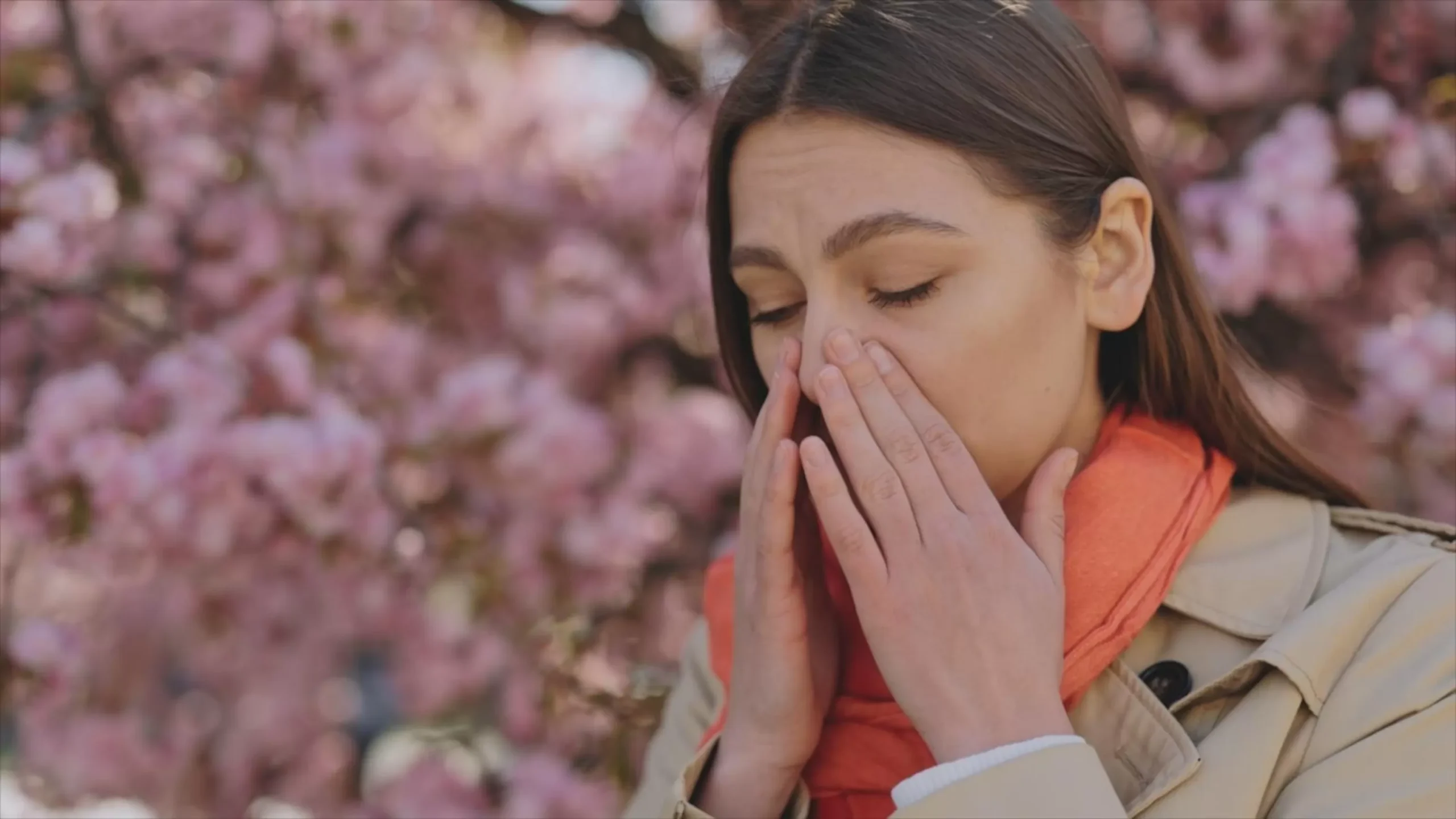
Seasonal allergies, also known as hay fever, affect millions of people around the world every year. As the weather changes and plants start to bloom, many individuals experience symptoms such as sneezing, runny nose, and itchy eyes. But what exactly causes these allergies and how can we manage them? To answer these questions, we turned to Dr. Leonard Bielory, a renowned allergist and immunologist.
Dr. Bielory has been studying allergies for over 30 years and has dedicated his career to helping people understand and manage their symptoms. According to him, seasonal allergies are caused by an overreaction of the immune system to harmless substances in the environment, such as pollen. When these substances enter our body, our immune system sees them as a threat and releases chemicals, including histamine, to fight them off. This leads to the classic symptoms of allergies that we all know too well.
But why do some people experience allergies while others don’t? Dr. Bielory explains that genetics play a significant role in determining who will develop allergies. If one or both of your parents have allergies, you are more likely to have them as well. However, environmental factors also play a crucial role. For example, if you live in an area with high levels of pollen, you are more likely to develop allergies.
So, what can we do to manage seasonal allergies? Dr. Bielory suggests a multi-faceted approach that includes both medication and lifestyle changes. First and foremost, he recommends identifying your specific allergens through allergy testing. This will help you understand what triggers your symptoms and allow you to take necessary precautions. For example, if you are allergic to grass pollen, you may want to avoid spending time outdoors when the grass is being mowed.
In terms of medication, there are several options available, including antihistamines, nasal sprays, and eye drops. Dr. Bielory advises consulting with a healthcare professional to determine the best course of treatment for your specific allergies. He also emphasizes the importance of starting medication before the allergy season begins, as it can take a few weeks for the medication to reach its full effect.
In addition to medication, lifestyle changes can also help manage seasonal allergies. Dr. Bielory recommends keeping windows and doors closed to prevent pollen from entering your home. If you do spend time outdoors, make sure to shower and change your clothes when you come back inside to remove any pollen that may have stuck to your body or clothes. He also suggests using a HEPA filter in your home to trap allergens and regularly vacuuming and dusting to keep your living space clean.
For those who prefer a more natural approach, Dr. Bielory suggests trying herbal remedies such as butterbur, quercetin, and stinging nettle. However, he cautions that these remedies may not be as effective as traditional medication and should be used under the guidance of a healthcare professional.
It’s also essential to remember that allergies can have a significant impact on our mental health. Constantly dealing with symptoms such as sneezing and congestion can be frustrating and affect our daily lives. Dr. Bielory encourages people to seek support from friends and family and to talk to a healthcare professional if they are feeling overwhelmed.
In conclusion, seasonal allergies are a common and often frustrating condition. However, with the right approach, they can be managed effectively. Dr. Leonard Bielory’s advice on identifying allergens, taking medication, and making lifestyle changes can help alleviate symptoms and improve overall quality of life. So, don’t let allergies hold you back from enjoying the beautiful weather and blooming flowers. Take control of your allergies and enjoy the season to the fullest.