
Indoor Air Pollution: Causes, Effects, and How to Improve Your Indoor Air Quality
Air quality is a growing concern globally, and for good reason. While most people are aware of the pollution in the air outside, many are unaware of the potential dangers lurking in the air inside their own homes. Indoor air pollution can have a significant impact on our health and well-being, and it is important to understand its causes and how to prevent it.
What is Indoor Air Pollution?
Indoor air pollution refers to the presence of harmful substances in the air inside our homes, offices, and other enclosed spaces. These substances can come from a variety of sources, including building materials, household products, and outdoor pollutants that make their way indoors. According to the World Health Organization, indoor air pollution is responsible for 4.3 million deaths worldwide each year.
Causes of Indoor Air Pollution
There are many factors that can contribute to indoor air pollution. Some of the most common causes include:
1. Poor Ventilation: When there is not enough fresh air circulating in a space, pollutants can become trapped and build up to unhealthy levels.
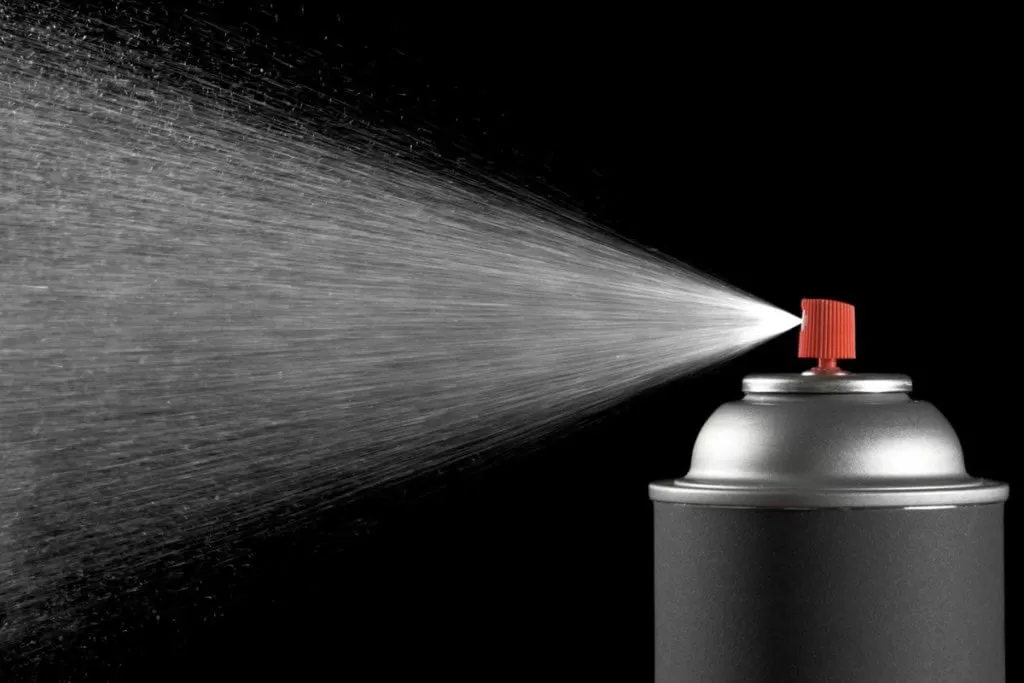
2. Household Products: Many household products, such as cleaning supplies, air fresheners, and personal care products, contain chemicals that can release harmful pollutants into the air.
3. Building Materials: Some building materials, such as paint, carpet, and furniture, can emit volatile organic compounds (VOCs) that can be harmful to our health.
4. Mold and Mildew: Damp and humid environments can lead to the growth of mold and mildew, which can release spores and toxins into the air.
5. Outdoor Pollutants: Pollutants from outside, such as vehicle exhaust, can make their way indoors through open windows and doors, or through cracks and gaps in the building.
Effects of Indoor Air Pollution
Indoor air pollution can have a wide range of effects on our health, depending on the type and level of pollutants present. Some of the most common health effects include:
1. Respiratory Issues: Exposure to indoor air pollutants can irritate the respiratory system and cause symptoms such as coughing, wheezing, and shortness of breath. It can also worsen existing conditions such as asthma and allergies.
2. Headaches and Fatigue: Some pollutants, such as carbon monoxide and VOCs, can cause headaches, dizziness, and fatigue.
3. Skin Irritation: Certain chemicals found in household products can cause skin irritation and allergic reactions.
4. Long-term Health Effects: Prolonged exposure to indoor air pollution can lead to more serious health issues, such as heart disease, respiratory diseases, and even cancer.
How to Improve Your Indoor Air Quality
Fortunately, there are steps you can take to improve the air quality in your home and reduce your exposure to harmful pollutants. Here are some tips to get you started:
1. Keep Your Home Clean: Regularly dust, vacuum, and mop to remove dust, dirt, and other pollutants from surfaces.
2. Use Natural Cleaning Products: Opt for natural cleaning products or make your own using simple ingredients like vinegar and baking soda.
3. Increase Ventilation: Open windows and doors whenever possible to allow fresh air to circulate. You can also use exhaust fans in the kitchen and bathroom to remove pollutants.
4. Choose Low-VOC Products: When purchasing household products, look for those labeled as low-VOC or fragrance-free.
5. Maintain Your HVAC System: Regularly change your air filters and have your HVAC system serviced to ensure it is functioning properly.
6. Control Humidity: Use a dehumidifier in damp areas to prevent the growth of mold and mildew.
7. Add Indoor Plants: Certain plants, such as spider plants and peace lilies, can help purify the air by absorbing pollutants.
8. Test for Radon: Radon is a colorless and odorless gas that can seep into homes and cause serious health problems. Consider testing your home for radon and taking steps to reduce its levels if necessary.
In Conclusion
Indoor air pollution is a serious issue that can have a significant impact on our health and well-being. By understanding its causes and taking steps to improve our indoor air quality, we can create a healthier and safer environment for ourselves and our families. So, let’s take action today and make our homes a haven of clean and fresh air.