
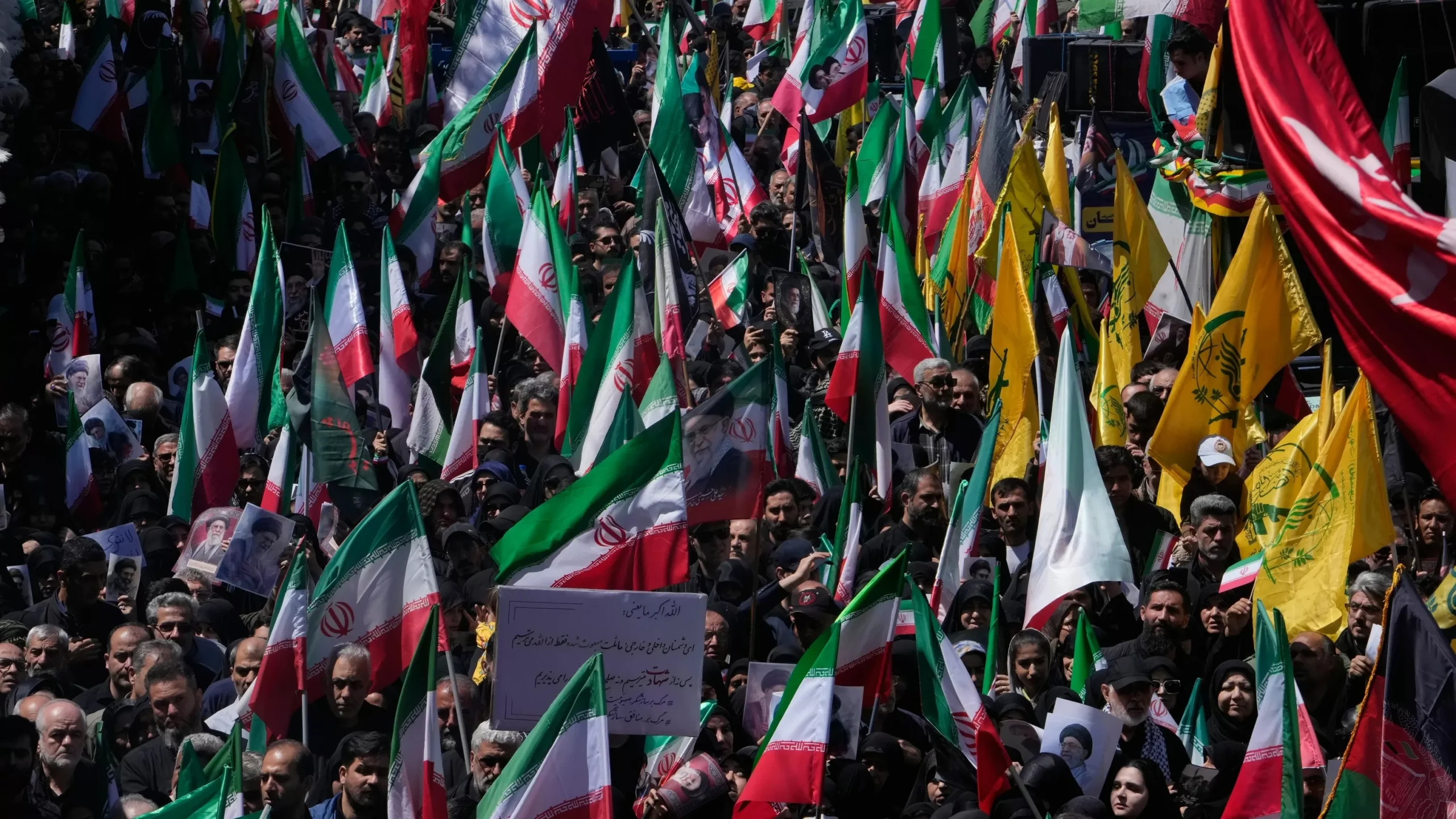
Prediction markets have been gaining popularity in recent years as a way for people to make wagers on a wide range of events, from sports games to political outcomes. These markets allow individuals to use their knowledge and intuition to predict the likelihood of certain events happening and potentially earn a profit from their predictions. However, the latest development in the world of prediction markets has taken things to a whole new level. Now, people can even bet on the fate of the ongoing war between the United States and Israel against Iran.
For those unfamiliar with the concept, prediction markets are essentially online platforms where individuals can buy and sell shares based on the likelihood of a particular event occurring. These events can range from the outcome of a sports game to the results of an election. The idea behind prediction markets is that the collective wisdom of the participants can provide more accurate predictions than any individual expert or analyst.
The concept of prediction markets has been around for centuries, with the earliest recorded instance dating back to the 16th century in Italy. However, with the rise of the internet and technology, these markets have become more accessible and popular. In recent years, prediction markets have gained attention for their ability to accurately predict the outcomes of political events, such as elections and referendums.
But now, prediction markets have taken a bold step by allowing people to bet on the outcome of a war. Specifically, the ongoing conflict between the United States and Israel against Iran. This development has sparked both curiosity and controversy, with some questioning the ethics of betting on such a serious and potentially devastating event.
So, how exactly do these prediction markets work? Participants can buy shares in the market, with each share representing a prediction of a particular outcome. For example, in the case of the U.S. and Israel’s war against Iran, shares could represent the likelihood of a successful airstrike or a peace agreement being reached. As events unfold, the value of these shares will fluctuate, and participants can choose to sell their shares for a profit or hold onto them until the end of the market.
One of the main arguments for the use of prediction markets in this context is that it can provide valuable insights into the potential outcomes of the war. By allowing people to put their money where their predictions are, these markets can incentivize individuals to do thorough research and analysis before making their bets. This, in turn, can lead to more accurate predictions and potentially even help decision-makers in the real world.
Moreover, prediction markets can also serve as a form of risk management for individuals and organizations. In the case of the U.S. and Israel’s war against Iran, businesses and governments can use these markets to hedge against potential losses or disruptions caused by the conflict. This can provide a sense of stability and security in an otherwise uncertain situation.
However, there are also valid concerns about the use of prediction markets in this context. Some argue that it is unethical to profit from a war that could have devastating consequences for innocent civilians. Others worry that these markets could potentially be manipulated or used for insider trading.
Despite these concerns, the use of prediction markets in predicting the outcome of the U.S. and Israel’s war against Iran is a significant development in the world of prediction markets. It showcases the potential of these markets to accurately predict the outcomes of complex and high-stakes events. It also raises important questions about the role of prediction markets in society and the ethical implications of betting on such events.
In conclusion, prediction markets have come a long way from their humble beginnings and are now being used to predict the outcome of one of the most significant conflicts in recent years. While there are valid concerns about the use of these markets in this context, there is no denying their potential to provide valuable insights and serve as a risk management tool. As with any new development, it is essential to approach this with caution and continue to monitor its impact. But one thing is for sure, prediction markets are here to stay and will continue to shape the way we make predictions and decisions in the future.