
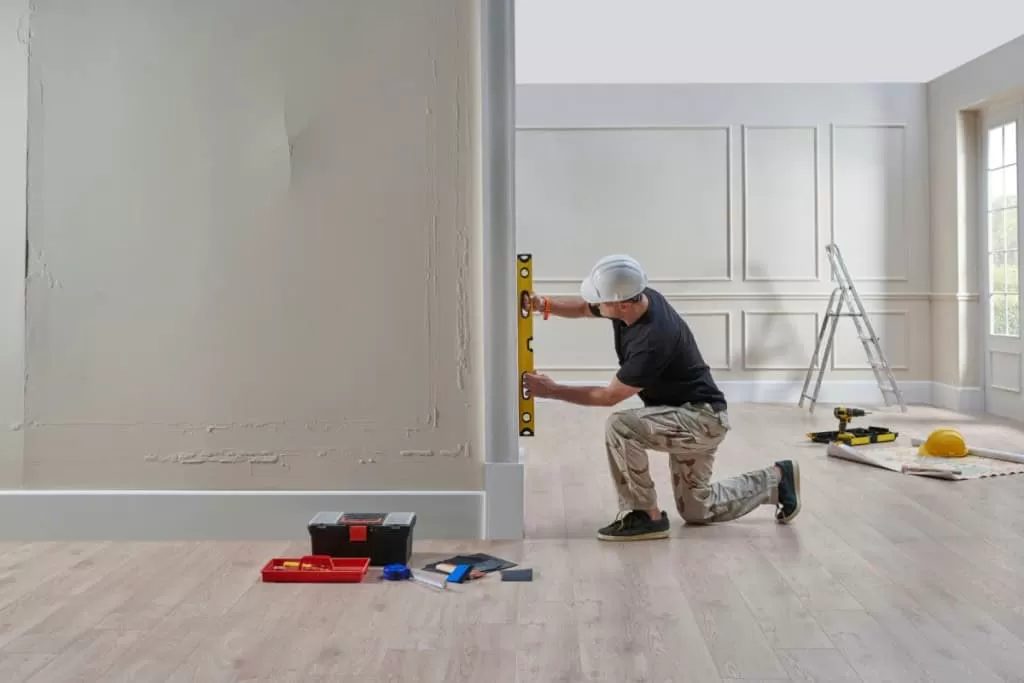
There’s nothing quite like the satisfaction of completing a DIY project on your own. From hauling in the lumber to putting in the hard work with your own two hands, there’s a sense of accomplishment that comes with taking on a project yourself. However, when it comes time to sell your home, if the work you did – or had done – was never officially approved by the city, things can quickly become complicated. In this article, we’ll discuss the potential pitfalls of selling a house with unpermitted work and provide a basic guide to help keep you covered.
First and foremost, it’s important to understand what unpermitted work actually means. Essentially, it refers to any home improvement or renovation project that was done without obtaining the necessary permits from the local government. These permits are required to ensure that the work being done meets safety and building code standards. Without them, there’s no way to guarantee that the work was done correctly and up to code, which can be a major red flag for potential buyers.
So why do people choose to do unpermitted work in the first place? In some cases, it may be due to a lack of knowledge or understanding of the permit process. Others may simply want to save time and money by avoiding the hassle of obtaining permits. However, the consequences of unpermitted work can far outweigh any perceived benefits.
One major issue with unpermitted work is that it can significantly decrease the value of your home. When buyers are looking at potential properties, they want to know that everything has been done properly and legally. If they find out that there’s unpermitted work, they may either walk away from the deal or demand a significant discount on the price. This can result in a lower selling price and ultimately, less money in your pocket.
In addition, unpermitted work can also lead to legal issues. If a buyer discovers unpermitted work after the sale is complete, they may take legal action against you for not disclosing this information. This can result in costly legal fees and potentially even more money lost in the long run.
So what can you do if you have unpermitted work in your home? The best course of action is to try and get the necessary permits retroactively. This may involve hiring a professional to inspect the work and make sure it meets code requirements. While this may be an added expense, it can save you from potential legal issues and help maintain the value of your home.
If obtaining permits is not possible, it’s important to disclose the unpermitted work to potential buyers. This may seem counterintuitive, but being transparent about the situation can actually work in your favor. By being upfront about the unpermitted work, you can avoid any legal issues and show that you are an honest seller. In some cases, buyers may even be willing to work with you to obtain the necessary permits and complete the work properly.
In conclusion, selling a house with unpermitted work can be a complicated and potentially costly process. It’s always best to obtain the necessary permits for any home improvement projects to avoid any issues down the road. However, if you do find yourself in this situation, it’s important to be transparent with potential buyers and take the necessary steps to rectify the situation. By doing so, you can ensure a smoother selling process and protect yourself from any legal repercussions.