
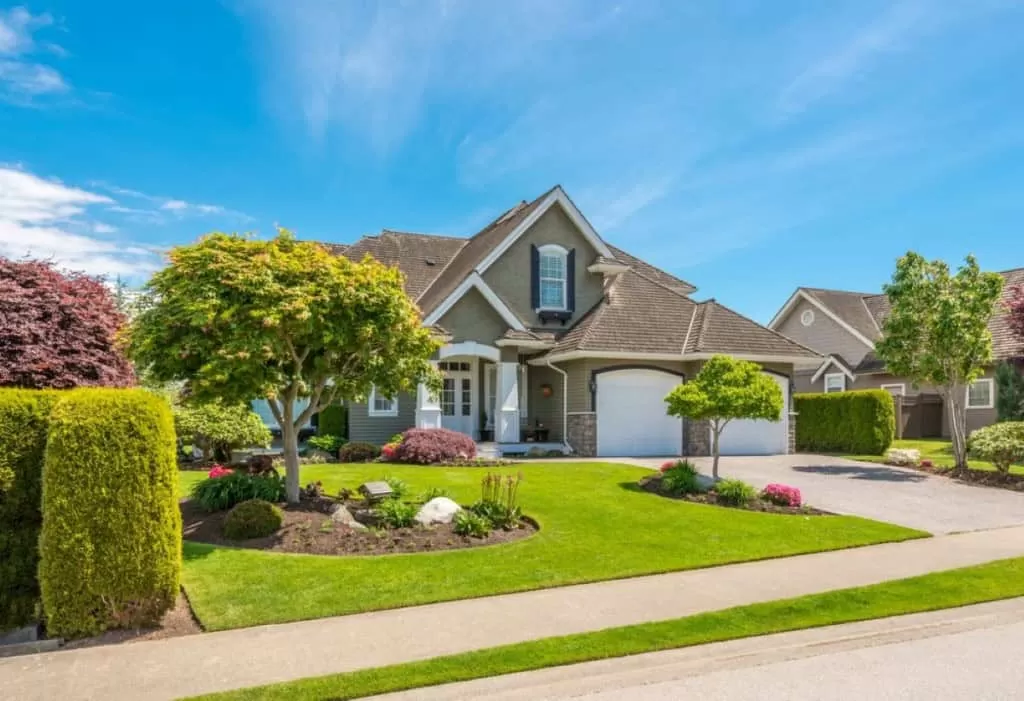
Climate change is a pressing issue that is affecting our planet in various ways. From rising sea levels to extreme weather events, the impact of climate change is being felt all around the world. But did you know that it is also altering the cost of homeownership? Yes, you read that right. Climate change is not only a threat to our environment, but it is also impacting the cost of homeowners insurance premiums. In this article, we will discuss how flood zones, fire risks, and climate change can impact homeowners insurance and what you need to know to protect your home.
Flood Zones and Homeowners Insurance
Floods are one of the most common natural disasters that can cause significant damage to homes. With climate change, the frequency and severity of floods are increasing, making it a major concern for homeowners. As a result, flood zones are being redrawn, and more properties are now considered at risk of flooding.
If your home is located in a flood-prone area, your homeowners insurance premiums are likely to increase. Insurance companies consider the risk of flooding when determining the cost of your policy. The higher the risk, the higher the premium. This is because homes in flood zones are more likely to suffer damage, and insurance companies need to cover their costs.
To protect your home and reduce the risk of flooding, you can take preventive measures such as installing flood barriers, elevating your home, and ensuring proper drainage. These measures can also help lower your insurance premiums as they show the insurance company that you are taking steps to mitigate the risk of flooding.
Fire Risks and Homeowners Insurance
Climate change has also led to an increase in the frequency and severity of wildfires. As a result, homes located in areas prone to wildfires are facing higher insurance premiums. Insurance companies consider the risk of fire when determining the cost of homeowners insurance. Homes in high-risk areas are more likely to suffer damage from wildfires, and insurance companies need to cover their costs.
To protect your home from wildfires, you can take preventive measures such as clearing brush and debris from around your home, using fire-resistant materials for your home’s exterior, and creating a defensible space. These measures not only reduce the risk of damage to your home but can also help lower your insurance premiums.
Climate Change and Homeowners Insurance
Climate change is not only impacting flood and fire risks but is also causing other weather-related events such as hurricanes, tornadoes, and hailstorms to become more frequent and severe. These events can cause significant damage to homes, leading to higher insurance premiums.
To protect your home from these weather-related events, you can take preventive measures such as reinforcing your home’s structure, installing storm shutters, and having a backup power source. These measures not only reduce the risk of damage to your home but can also help lower your insurance premiums.
What You Need to Know
As climate change continues to impact the cost of homeowners insurance, it is essential to be aware of the potential risks and take preventive measures to protect your home. Here are some things you need to know:
1. Review Your Policy: It is crucial to review your homeowners insurance policy regularly to ensure that you have adequate coverage for potential weather-related events. If you live in an area prone to floods, fires, or other weather-related events, you may need to add additional coverage to your policy.
2. Understand Your Risk: It is essential to understand the risks associated with your home’s location. You can check with your local government to see if your home is located in a flood zone or a high-risk area for wildfires. This information can help you take preventive measures and make informed decisions about your insurance coverage.
3. Take Preventive Measures: As mentioned earlier, taking preventive measures can help reduce the risk of damage to your home and lower your insurance premiums. It is essential to invest in measures that can protect your home from potential weather-related events.
4. Shop Around: If you feel that your insurance premiums are too high, you can shop around and compare quotes from different insurance companies. You may find a better deal that offers the coverage you need at a lower cost.
In conclusion, climate change is altering the cost of homeownership, and it is essential to be aware of how it can impact your homeowners insurance premiums. By understanding your risks, taking preventive measures, and regularly reviewing your policy, you can protect your home and save money on insurance premiums. Let’s all do our part in mitigating the effects of climate change and protecting our