
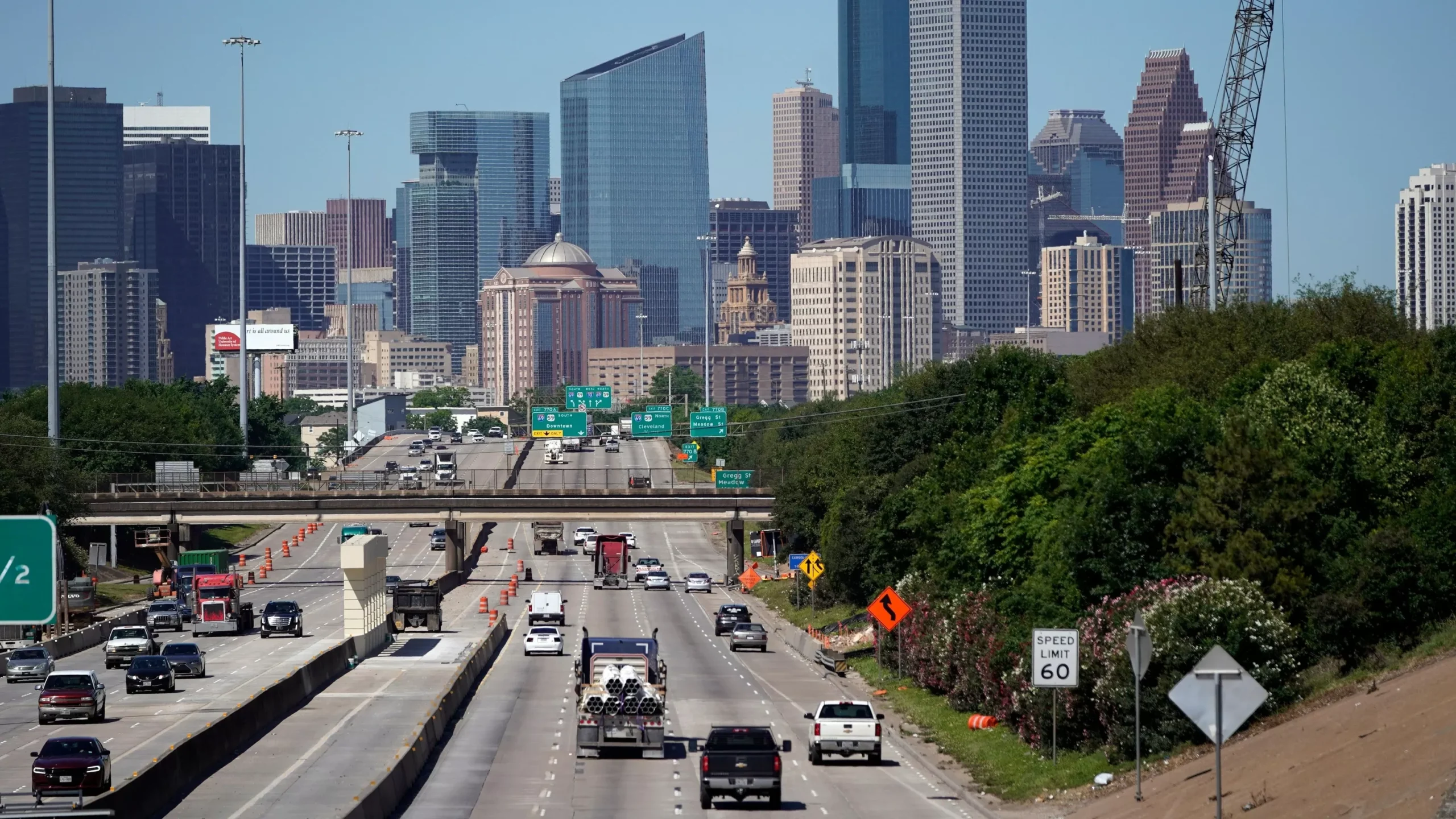
The recently released U.S. Census Bureau population estimates have caught the attention of many, with a surprising revelation. The growth in U.S. metro areas has slowed down significantly due to a drop in immigration, combined with the aftermath of hurricanes that have forced people out of Gulf Coast counties. This announcement has sparked debate and raised concerns about the impact this may have on the country’s economy and population.
According to the Census Bureau’s data, the growth in metro areas has reduced to 0.6% in 2019, which is the lowest recorded rate in the past decade. This is a significant decline from the 1.3% growth rate in 2018 and the 1.2% growth rate in 2017. This decline in growth raises red flags as metro areas are vital economic hubs and contribute significantly to the country’s overall development.
One of the significant factors contributing to this decline in growth is the drop in immigration. The United States has always been a land of opportunity and a beacon of hope for many, leading to a significant influx of immigrants every year. However, in recent years, strict immigration policies and regulations have decreased the number of people migrating to the country. This has directly impacted the growth of the population in metro areas, which heavily rely on immigration for their expansion.
Moreover, the destructive hurricanes that have hit the Gulf Coast in recent years have also played a role in this decline. These intense storms have caused widespread damage and destruction, leading to many families being displaced. The impact of these hurricanes has been felt not just in terms of human displacement but also in economic terms. Many businesses have been forced to shut down, and the rebuilding process has been slow, causing a decline in job opportunities.
The combination of these two factors has caused a significant shift in the population growth trend in the country. The Census Bureau’s data shows that some of the fastest-growing metro areas in previous years, such as Dallas, Houston, and Miami, have now seen a significant slowdown in population growth. This is a cause for concern as these cities play a vital role in the country’s economic growth and job creation.
The decrease in population growth in metro areas has a ripple effect on the overall economy. With fewer people migrating and fewer job opportunities, this can lead to a decrease in consumer spending and a slowdown in the housing market. This, in turn, can have a significant impact on various industries and ultimately the country’s GDP.
However, it’s not all doom and gloom. Despite the decline in growth, some metro areas have continued to show a positive trend. Cities like Phoenix, Seattle, and Austin have seen an increase in population growth, thanks to their strong job markets and affordable housing options. This goes to show that with the right policies and opportunities, it is still possible to achieve growth in metro areas.
The Census Bureau’s data also highlights the importance of addressing the issues of immigration and disaster management. The United States has always been a country built on diversity and opportunities, and it’s crucial to find a balance between security and welcoming immigrants. Similarly, there is an urgent need for better disaster management strategies to minimize the impact of natural disasters on communities and the economy.
In conclusion, the slowing growth of U.S. metro areas is a matter of concern, but it also presents an opportunity for the government and policymakers to take necessary steps to address the underlying issues. By creating a more welcoming environment for immigrants and improving disaster management, these metro areas can once again become vibrant and thriving hubs of economic activity. With the right strategies in place, the United States can continue to be a land of opportunity and growth for all.