
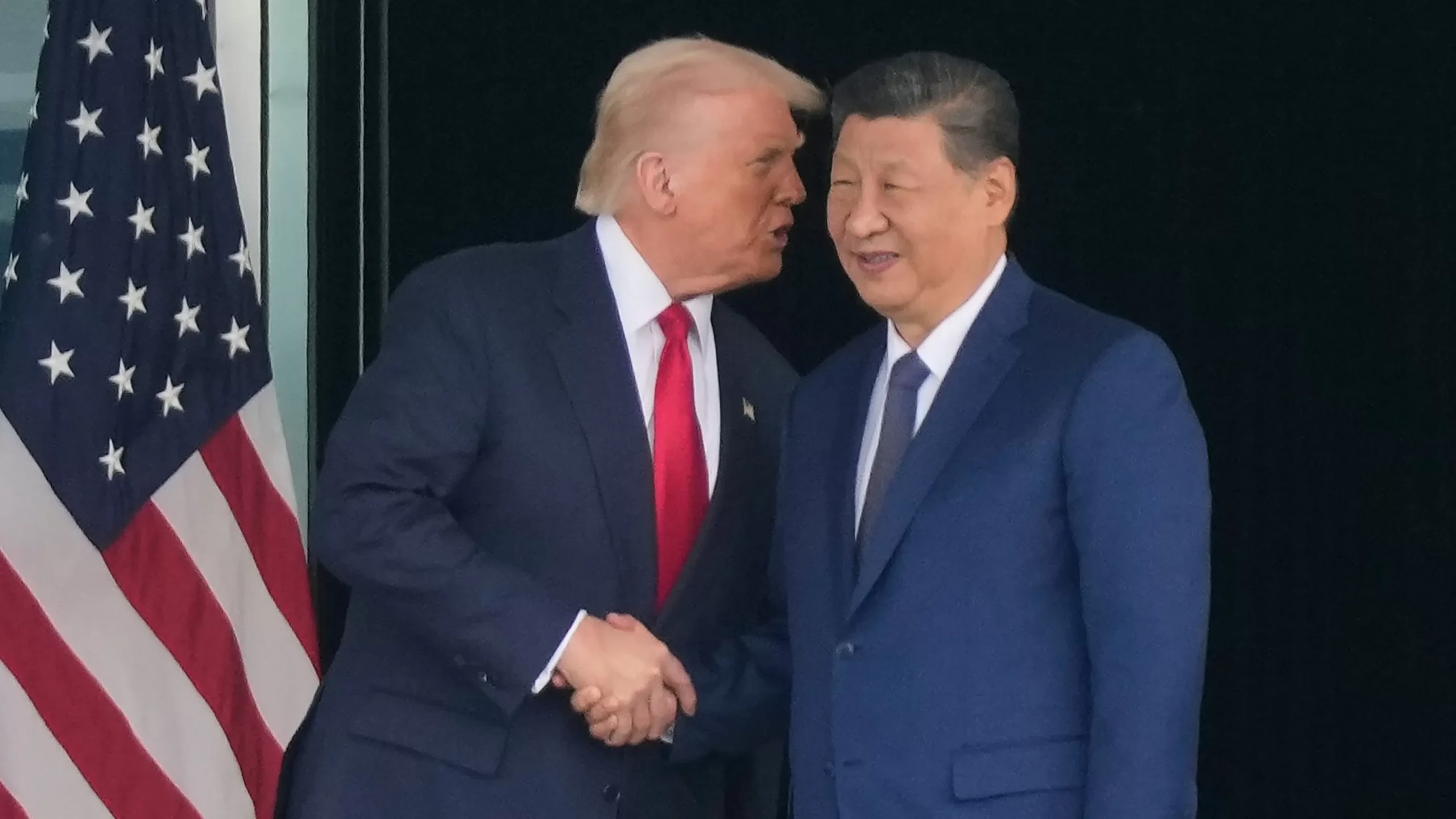
As tensions continue to rise between the United States and Iran, one major player has been conspicuously absent from the fray: Chinese President Xi Jinping. While many have questioned China’s silence on the issue, experts believe that Beijing’s decision to stay on the sidelines is a deliberate and strategic move.
According to analysts, China is wary of getting involved in the conflict between the US and Iran due to its own economic and political interests. As the world’s second-largest economy and a major importer of oil, China has a lot to lose in the event of a prolonged and escalated conflict in the Middle East. Furthermore, China has long-standing economic and political ties with both the US and Iran, and getting involved in the conflict could damage these relationships.
One of the main areas of concern for China is its heavy reliance on oil imports from the Middle East, particularly from Iran. China currently imports around 50% of its oil from the region, making it highly vulnerable to any disruptions in the oil supply. With tensions rising between the US and Iran, there is a real risk of oil prices spiking, which would have a significant impact on China’s economy.
Additionally, China’s relationship with Iran has strengthened in recent years, especially with the signing of a 25-year strategic partnership agreement in 2021. This agreement includes cooperation in various sectors, including energy, infrastructure, and trade, and could be jeopardized if China were to take sides in the conflict.
Furthermore, China also has a strong economic relationship with the US. The two countries have been engaged in a trade war for the past few years, with China heavily reliant on exports to the US. Any involvement in the US-Iran conflict could further strain this already fraught relationship.
But beyond economic considerations, experts also believe that China’s decision to stay neutral is part of a larger strategy to position itself as a global leader and a mediator in international conflicts. By not taking a side, China is showcasing its commitment to maintaining peace and stability in the region.
In fact, this is not the first time China has chosen to remain on the sidelines in a major international conflict. In the past, China has avoided getting involved in conflicts such as the Syrian civil war and the ongoing conflict between Israel and Palestine.
Experts also point out that China’s decision to stay neutral is in line with its vision of a multipolar world, where no one country holds too much power. As the US and Iran engage in a war of words and military posturing, China’s non-involvement only reinforces this vision and highlights its growing influence on the global stage.
Furthermore, China’s strategy of being a neutral mediator in the conflict could also have positive implications for its international image. As tensions between the US and Iran escalate, China’s stance could be seen as a way to promote diplomatic solutions and avoid further violence.
Some analysts also believe that China’s neutral stance may have a positive impact on its relationship with the US. By not taking sides, China is signaling to the US that it is not a threat or an enemy, which could potentially help ease tensions in the US-China relationship.
In the end, China’s decision to watch the US-Iran conflict from the sidelines may seem like a passive move, but experts believe it is a strategic and calculated one. As the world watches the situation unfold with bated breath, China’s stance serves as a reminder that in the ever-changing landscape of international politics, neutrality can be a powerful stance.