
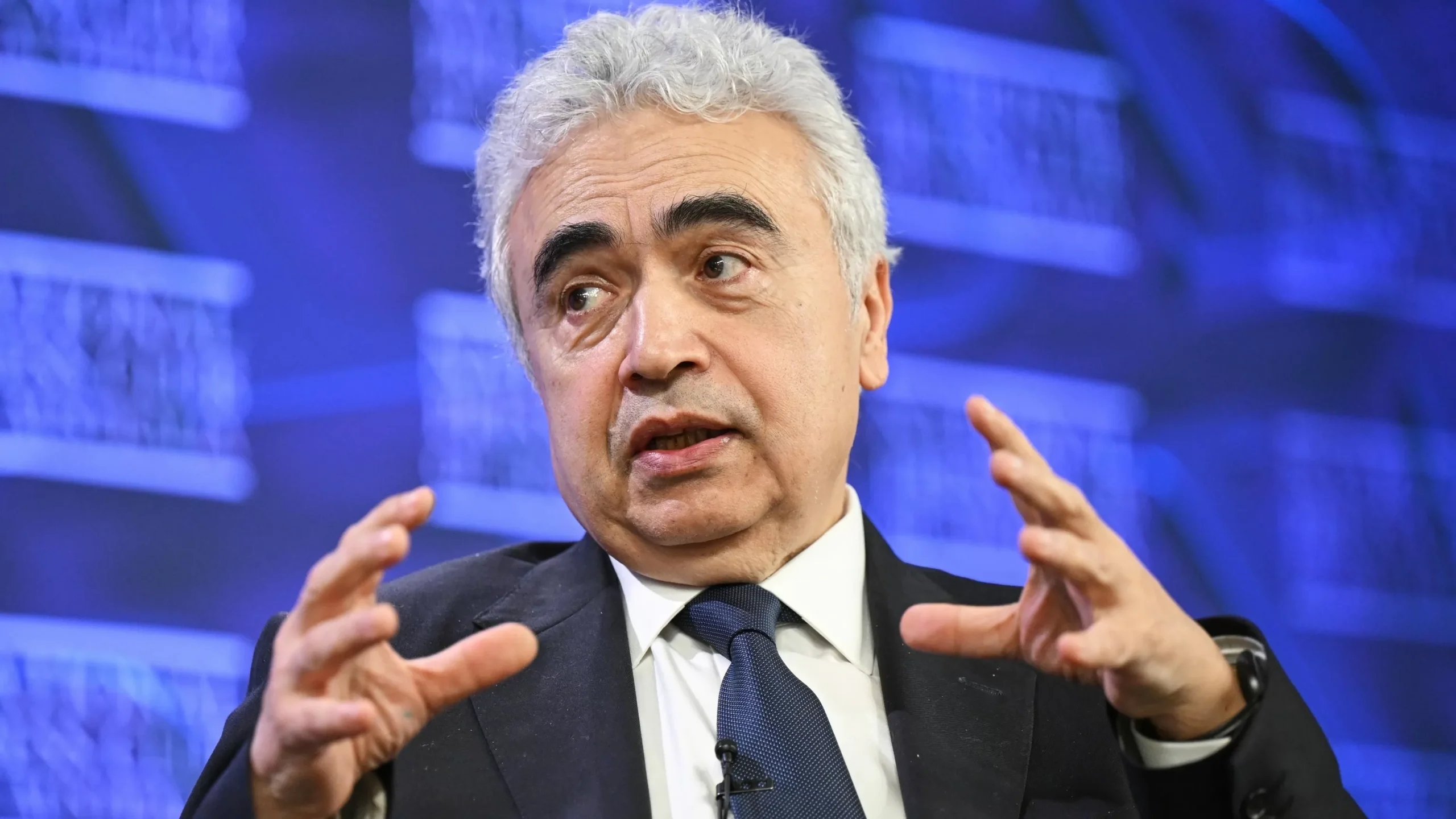
The head of the International Energy Agency (IEA), Dr. Fatih Birol, recently made a bold statement about the current state of the global economy. According to Dr. Birol, the global economy is facing a “major, major threat” due to the escalating tensions between the United States and Iran. This warning comes in the wake of the recent US airstrike that killed Iran’s top military commander, Qassem Soleimani, and the subsequent retaliation by Iran.
Dr. Birol, who is known for his expertise in the energy sector, expressed serious concerns about the potential impact of the Iran war on the global economy. He emphasized that the threat is not only limited to the energy sector, but it also poses a danger to the overall stability of the global economy.
The Iran war has already caused a major stir in the energy markets, with oil prices surging to a three-month high. This has been a cause for concern for many countries, especially those heavily dependent on oil imports. Dr. Birol warned that if the situation continues to escalate, it could lead to a global energy crisis with severe economic consequences.
One of the major factors contributing to this threat is the possibility of disruption of oil supplies from the Middle East. With Iran being one of the largest producers of oil in the region, any disruption in its production could have a significant impact on the global energy markets. This, in turn, could lead to a domino effect on the global economy, affecting industries and businesses across the world.
Furthermore, the Iran war has also raised concerns about the safety of oil shipping routes in the Persian Gulf. As a major transportation route for oil, any disruption or closure of the Persian Gulf could have severe consequences for the global economy. This has already led to major shipping companies taking precautionary measures and increasing their insurance costs, which could ultimately be passed on to the consumers.
Dr. Birol also highlighted the potential impact on gas prices. With the Strait of Hormuz, a chokepoint for oil and gas shipments, located in close proximity to Iran, any conflict in the region could result in a disruption of the gas supply to many countries, leading to a surge in gas prices.
It is not just the energy sector that is at risk. Dr. Birol pointed out that the global economy is highly interconnected, and any major disruption in one sector could have a ripple effect on others. This is particularly significant for developing countries, which are heavily reliant on oil imports and are not equipped to handle a sudden surge in prices.
Dr. Birol’s warning comes at a time when the world is already facing economic challenges, including trade tensions between major economies and uncertainties surrounding Brexit. The Iran war could add to these challenges and further weaken the global economy, which has already been experiencing a slowdown.
However, it is not all doom and gloom. Dr. Birol believes that there is still a window of opportunity for world leaders to take action and prevent a major economic crisis. He urged countries to find a diplomatic solution and avoid any further escalation of the conflict. He also stressed the importance of diversifying energy sources and investing in renewable energy, which could reduce the impact of any potential supply disruptions.
In conclusion, the head of the International Energy Agency has issued a stark warning about the potential economic consequences of the Iran war. It is a call for action for world leaders to come together and find a peaceful resolution to the conflict. The global economy is facing a major threat, but with timely and effective measures, we can mitigate the impact and safeguard the stability of the world’s economy.