
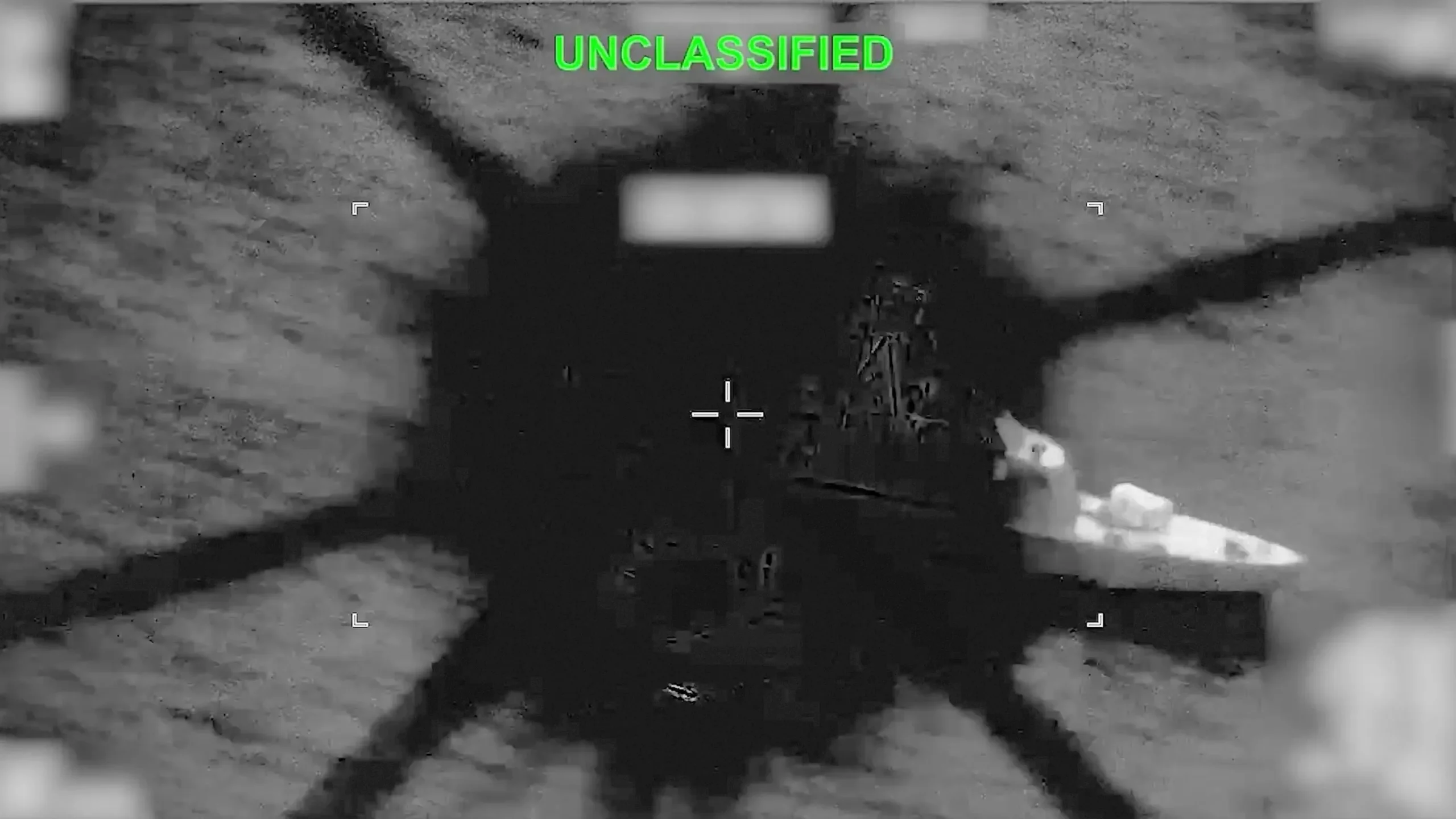
The Strait of Hormuz, a narrow waterway between Iran and the Arabian Peninsula, is a vital route for global oil shipments. It is estimated that about one-fifth of the world’s oil supply passes through this strait, making it a crucial chokepoint for the global economy. However, recent tensions in the region have threatened the security of this strategic waterway, causing disruptions in the oil market and raising concerns for international trade.
The United States military, along with its allies, has been closely monitoring the situation in the Strait of Hormuz. Military leaders have revealed that they are focusing on identifying and targeting mine-laying vessels that are aiding Iran in keeping a stranglehold on the strait. These vessels, according to the military, have been responsible for disrupting the flow of oil and causing significant harm to the global economy.
The Pentagon, in a recent statement, has expressed its commitment to ensuring the safety and security of the Strait of Hormuz. “We will not stand by and allow Iran to use these mine-laying vessels to threaten the free flow of trade and commerce in this vital waterway,” said General Mark Milley, Chairman of the Joint Chiefs of Staff.
The closure of the Strait of Hormuz has already taken its toll on the global economy, with oil prices rising and markets feeling the pinch. The closure has also caused disruptions in the shipping industry, with vessels being forced to take longer routes and incur additional costs. This has had a ripple effect on various industries, including transportation, manufacturing, and consumer goods, resulting in higher prices for consumers.
Iran, which has been facing economic sanctions from the United States, has been using the closure of the Strait of Hormuz as a means to put pressure on the international community. The country has been accused of using these mine-laying vessels to target commercial ships and disrupt the flow of oil. This has not only caused economic damage but also raised concerns for the safety of seafarers and the environment.
In response to these threats, the United States and its allies have increased their presence in the region, conducting joint naval exercises and providing protection to commercial vessels. The US Navy has also been actively patrolling the area and has recently seized a significant cache of weapons believed to be headed for Iranian-backed forces in Yemen.
The Pentagon’s efforts to target these mine-laying vessels have been met with success. In a recent operation, the US Navy seized a vessel carrying a shipment of Iranian-made weapons, including anti-tank missiles and other advanced weapons. This successful operation has dealt a significant blow to Iran’s efforts to destabilize the region and has sent a strong message to those who seek to disrupt the free flow of trade in the Strait of Hormuz.
Furthermore, the United States has also been working closely with its allies to address the underlying issues that have led to the tensions in the region. Through diplomatic efforts, the US has been urging Iran to de-escalate the situation and engage in constructive dialogue to find a peaceful resolution.
The United States and its allies are committed to ensuring the safety and security of the Strait of Hormuz, which is critical for the global economy. The Pentagon’s efforts to target the mine-laying vessels have been a significant step towards achieving this goal. With the successful seizure of weapons and increased presence in the region, the US has shown its determination to protect the free flow of trade and maintain stability in the region.
In conclusion, the Pentagon’s focus on targeting mine-laying vessels in the Strait of Hormuz is a positive development in the ongoing tensions in the region. The closure of the strait has caused significant harm to the global economy, and the US is taking necessary measures to address this issue. With its commitment to ensuring the safety and security of the strait, the US is sending a strong message to those who seek to disrupt the free flow of trade in this vital waterway. Through diplomatic efforts and joint operations with its allies, the US is working towards finding a peaceful resolution to the tensions in the region and maintaining stability in the global economy.