
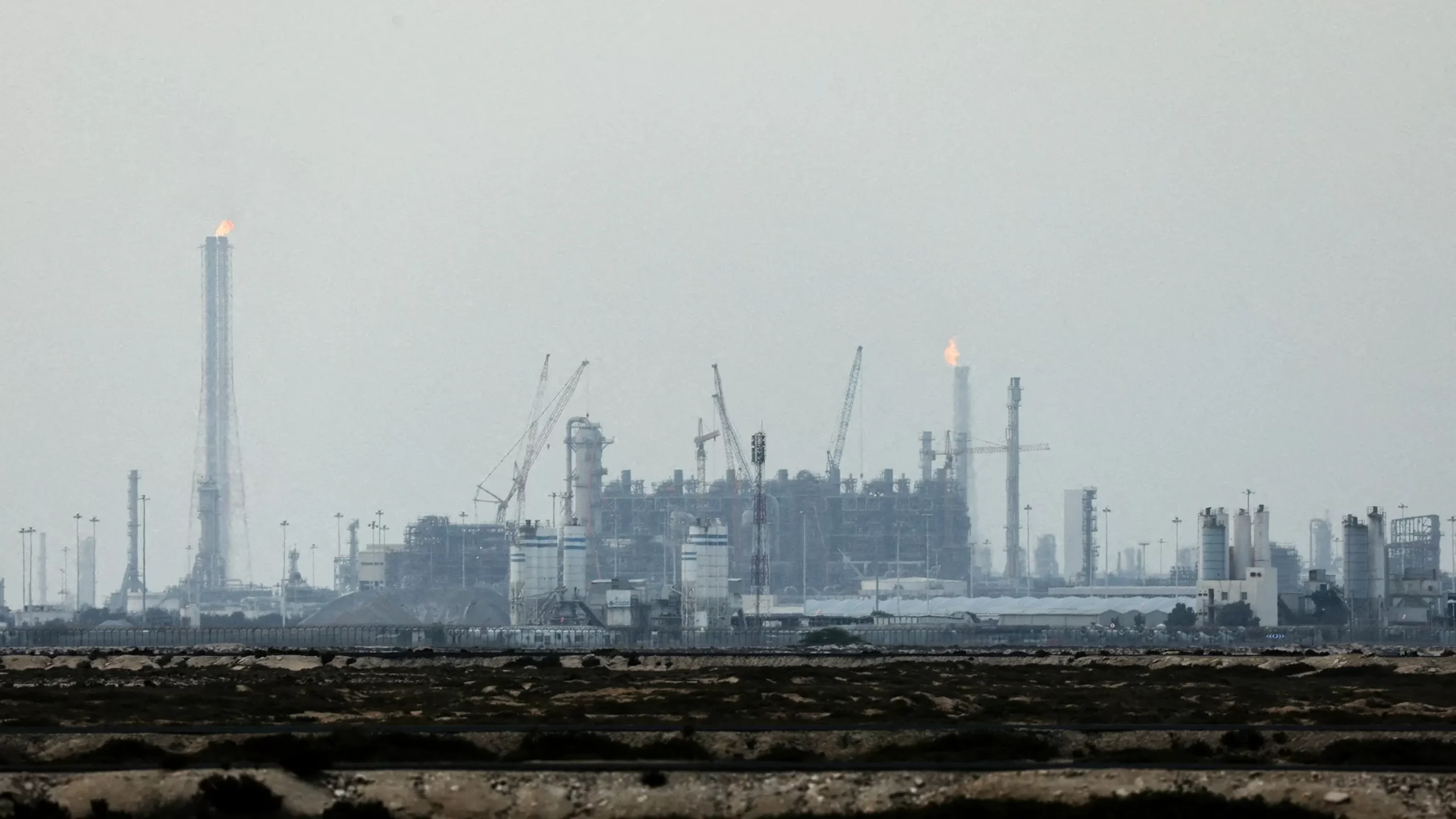
Iran Strikes Back: Retaliation Against Israel’s Attack on Gas Field
In a bold move, Iran launched a series of retaliatory strikes against the vital energy infrastructure in nearby Gulf states after Israel hit its largest gas field on Wednesday. This escalation of tensions between the two countries has sent shockwaves through the region and raised concerns about the stability of the global energy market.
The attack on Iran’s largest gas field, located in the Persian Gulf, was a direct blow to the country’s economy and energy security. The gas field, known as South Pars, is responsible for a significant portion of Iran’s natural gas production and is a vital source of revenue for the country. The strike, which was carried out by Israel’s air force, caused significant damage to the infrastructure and disrupted production.
In response, Iran wasted no time in retaliating against Israel and its allies. The Iranian Revolutionary Guard Corps (IRGC) launched a series of missile strikes targeting key energy facilities in neighboring Gulf states, including Saudi Arabia, the United Arab Emirates, and Bahrain. These strikes were a clear message to Israel and its allies that Iran will not tolerate any aggression against its interests.
The IRGC’s swift and decisive action has demonstrated Iran’s military capabilities and its determination to defend its sovereignty. The strikes were carefully planned and executed, targeting only energy infrastructure and avoiding any civilian casualties. This shows that Iran is not interested in escalating the conflict but is sending a strong message that it will not hesitate to defend itself and its allies.
The impact of these strikes on the global energy market cannot be ignored. The Gulf states targeted by Iran are major producers and exporters of oil and gas, and any disruption to their production can have a significant impact on the global supply. This has already caused a spike in oil prices, and there are concerns that further escalation could lead to a full-blown crisis.
However, Iran has made it clear that its actions were a direct response to Israel’s aggression and that it is not looking for a prolonged conflict. In a statement, the IRGC said, “Our response was proportionate and targeted only the energy infrastructure of those who have attacked us. We do not seek war, but we will defend ourselves and our allies against any threat.”
This measured response from Iran has been welcomed by the international community, with many calling for de-escalation and dialogue to resolve the conflict. The United Nations has urged both Iran and Israel to exercise restraint and find a peaceful solution to their differences.
The timing of these strikes is also significant, as tensions between Iran and the United States have been on the rise in recent months. The US has been pressuring Iran to renegotiate the 2015 nuclear deal and has imposed crippling sanctions on the country. These strikes could be seen as a warning to the US that Iran will not back down in the face of pressure and will defend itself against any threat.
In the midst of this tense situation, it is important to remember the human cost of any conflict. Innocent civilians should not bear the brunt of political tensions between countries. It is crucial for all parties involved to prioritize the safety and well-being of their citizens and work towards a peaceful resolution.
In conclusion, Iran’s retaliatory strikes against the vital energy infrastructure in nearby Gulf states have sent a strong message to Israel and its allies. It has demonstrated Iran’s military capabilities and its determination to defend its sovereignty. However, it is important for all parties to exercise restraint and work towards de-escalation to avoid further conflict and instability in the region. The international community must also play a role in facilitating dialogue and finding a peaceful solution to this ongoing conflict.