
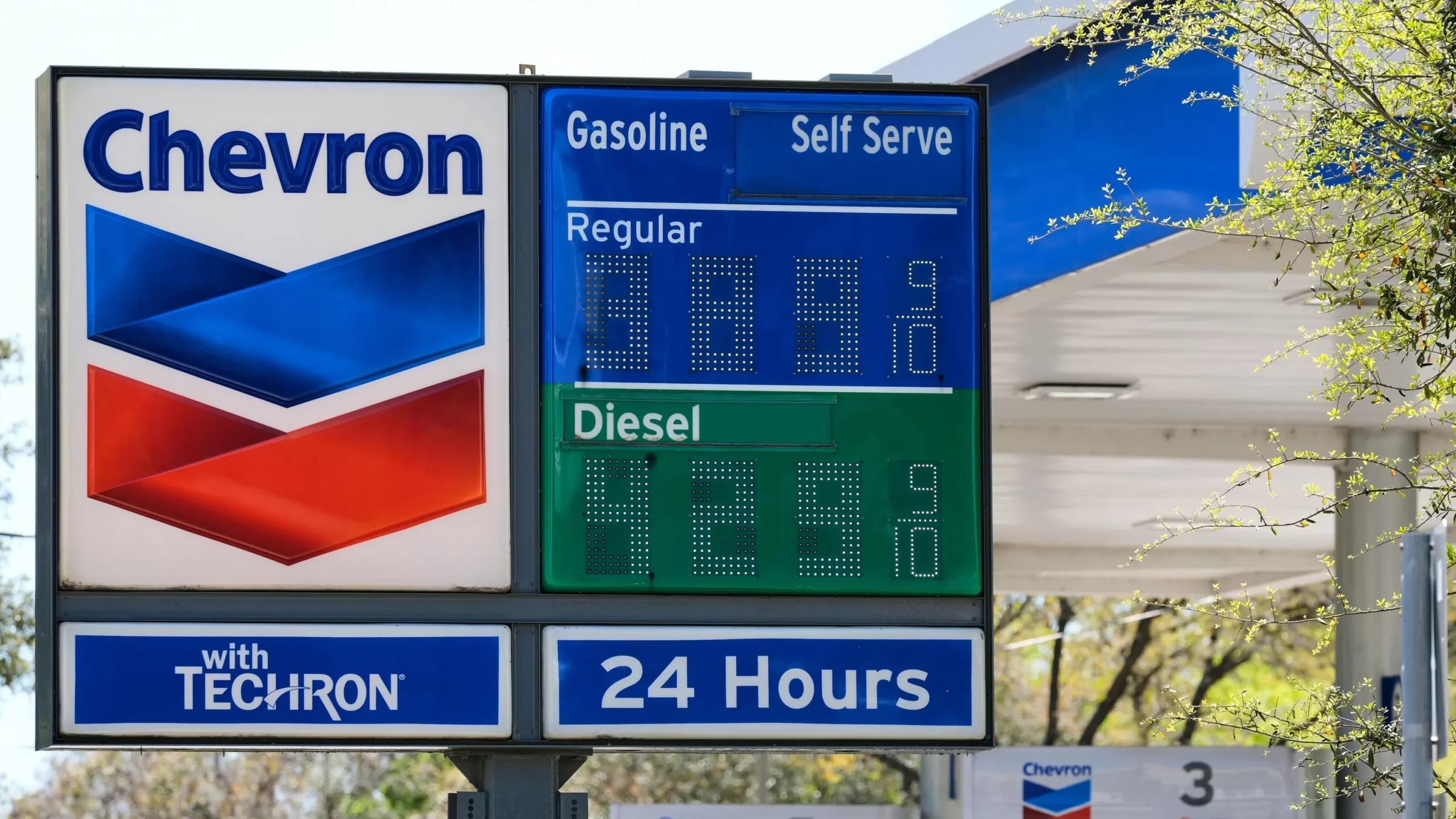
The ongoing Iran war has sent shockwaves through the world, particularly in the global flow of oil. With rising tensions between the United States and Iran, the stakes for the oil market have never been higher. As a result, fuel prices have skyrocketed, putting a strain on households across the globe. The ripple effects of this situation are being felt on a global scale, making it imperative for us to understand the implications and how we can mitigate its impact.
First and foremost, it is crucial to recognize the significance of oil in the global economy. Oil is the lifeblood of many industries, powering transportation, manufacturing, and even daily activities. Therefore, any disruption in its flow can have far-reaching consequences. The current Iran war has led to a decrease in the production and export of oil from that region, which has caused a spike in fuel prices worldwide. This has resulted in an increase in the cost of living for households everywhere.
With uncertainty looming over the future of oil production and export, consumers are feeling the effects of these heightened prices. Families are struggling to make ends meet, and individuals are forced to make tough choices between filling up their gas tanks or paying for other essential expenses. This burden is being felt not only in developed countries but also in developing nations where the cost of fuel can be a significant portion of people’s income.
Moreover, this situation has also impacted the global economy as a whole. Many industries, such as airlines and shipping, heavily rely on oil for their operations. The steep increase in fuel costs has forced them to raise prices, resulting in a domino effect on other goods and services. This has disrupted the global market and has the potential to cause a slowdown in economic growth.
In addition to the economic implications, the Iran war has also highlighted the vulnerability of our dependence on oil. With tensions rising in the Middle East, it is clear that any disruption in the production and export of oil from that region can have a significant impact on the global economy. This has reignited the call for diversification of energy sources and a shift towards renewable energy. It is a wake-up call for countries to invest in alternative energy options and reduce their reliance on oil.
However, amidst these challenges, there is a glimmer of hope. The global community has rallied together to find solutions to mitigate the impact of the Iran war on the flow of oil. Countries are exploring alternative sources, and many are looking to increase their oil reserves to offset any potential shortages. Moreover, the Organization of the Petroleum Exporting Countries (OPEC) has also stepped in to stabilize the market by increasing production and decreasing prices.
Furthermore, this situation has also highlighted the need for diplomatic solutions to address the underlying issues between the United States and Iran. The global community has urged both parties to find a peaceful resolution to ease tensions and stabilize the oil market. This is crucial not only for the stability of the global economy but also for the well-being of the citizens of both countries.
In conclusion, the Iran war has undoubtedly rattled the global flow of oil, causing steeper fuel costs and strain on households worldwide. However, it has also highlighted the need for a shift towards renewable energy and diplomatic solutions. The global community must work together to mitigate the current impact and take necessary steps to reduce our dependence on oil in the future. Let us hope that with combined efforts, we can overcome this challenge and build a more sustainable future for our planet.