
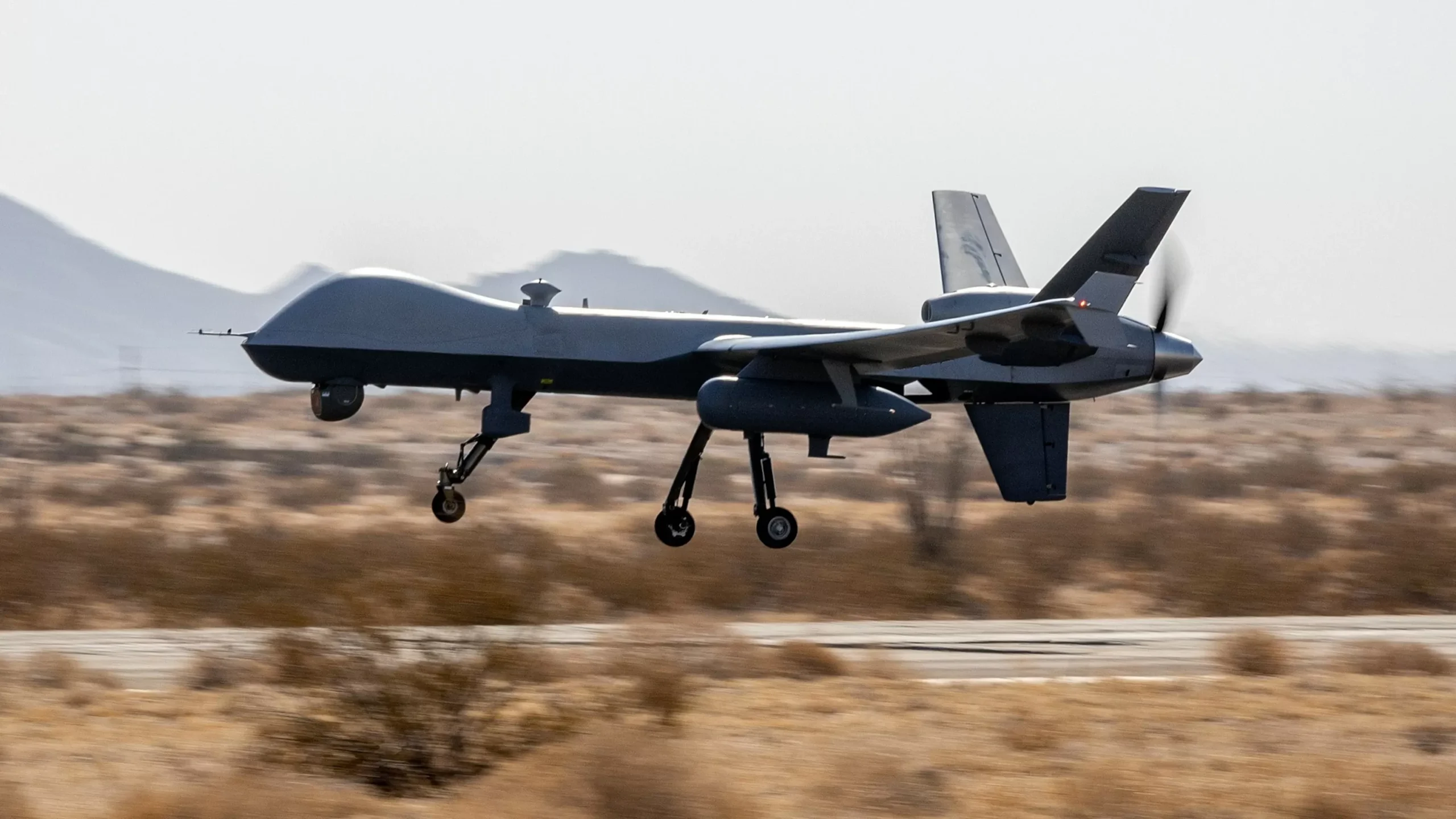
More than a dozen unmanned MQ-9 Reaper drones have been lost in combat as part of operations against Iran, two U.S. officials confirmed to ABC News. This news has raised concerns about the effectiveness and safety of using drones in military operations.
The MQ-9 Reaper drones, also known as the Predator B, are unmanned aerial vehicles (UAVs) used by the United States Air Force and other countries for surveillance, intelligence gathering, and targeted strikes. They have been a crucial tool in the fight against terrorism and have been used extensively in operations in Iraq, Afghanistan, and Syria.
However, the recent losses of these drones in combat with Iran have highlighted the challenges and risks involved in using this technology. According to the officials, the drones were shot down by Iranian forces using surface-to-air missiles. This has resulted in a significant financial loss for the U.S. government, as each MQ-9 Reaper drone costs around $16 million.
The loss of these drones also raises questions about the effectiveness of using drones in combat situations. While they have proven to be successful in targeting and eliminating high-value targets, they are vulnerable to enemy fire and can be easily taken down. This puts the lives of military personnel at risk, as well as the risk of sensitive technology falling into the wrong hands.
Despite these challenges, the U.S. military continues to rely on drones for their precision and ability to gather intelligence without putting troops in harm’s way. In fact, the use of drones has increased significantly in recent years, with the U.S. Air Force operating over 300 MQ-9 Reaper drones.
The loss of these drones in combat with Iran also highlights the ongoing tensions between the two countries. The U.S. has accused Iran of providing support to terrorist groups and destabilizing the region, while Iran sees the U.S. as a threat to their national security. This has resulted in several confrontations between the two countries, with drones being used by both sides.
The U.S. officials who confirmed the loss of these drones also stated that they were part of a classified operation against Iran. This further emphasizes the sensitivity and importance of these drones in military operations. The loss of these drones not only affects the current operations but also raises concerns about future missions and the need for better technology to protect them.
Despite the setbacks, the U.S. military remains committed to using drones in their operations. They are constantly working on improving the technology and developing new strategies to counter the threats posed by enemy forces. In fact, the U.S. Air Force is currently in the process of acquiring a new, more advanced drone, the MQ-9 Reaper ER, which is expected to have a longer range and improved capabilities.
The use of drones in military operations has been a controversial topic, with concerns about civilian casualties and the ethical implications of remote warfare. However, the U.S. government maintains that they are an essential tool in the fight against terrorism and have strict guidelines in place to minimize civilian casualties.
In conclusion, the loss of more than a dozen MQ-9 Reaper drones in combat with Iran highlights the challenges and risks involved in using this technology. However, the U.S. military remains committed to using drones in their operations and is constantly working on improving their capabilities. The use of drones will continue to play a significant role in modern warfare, but it is crucial to address the vulnerabilities and challenges that come with it to ensure the safety and success of military operations.