
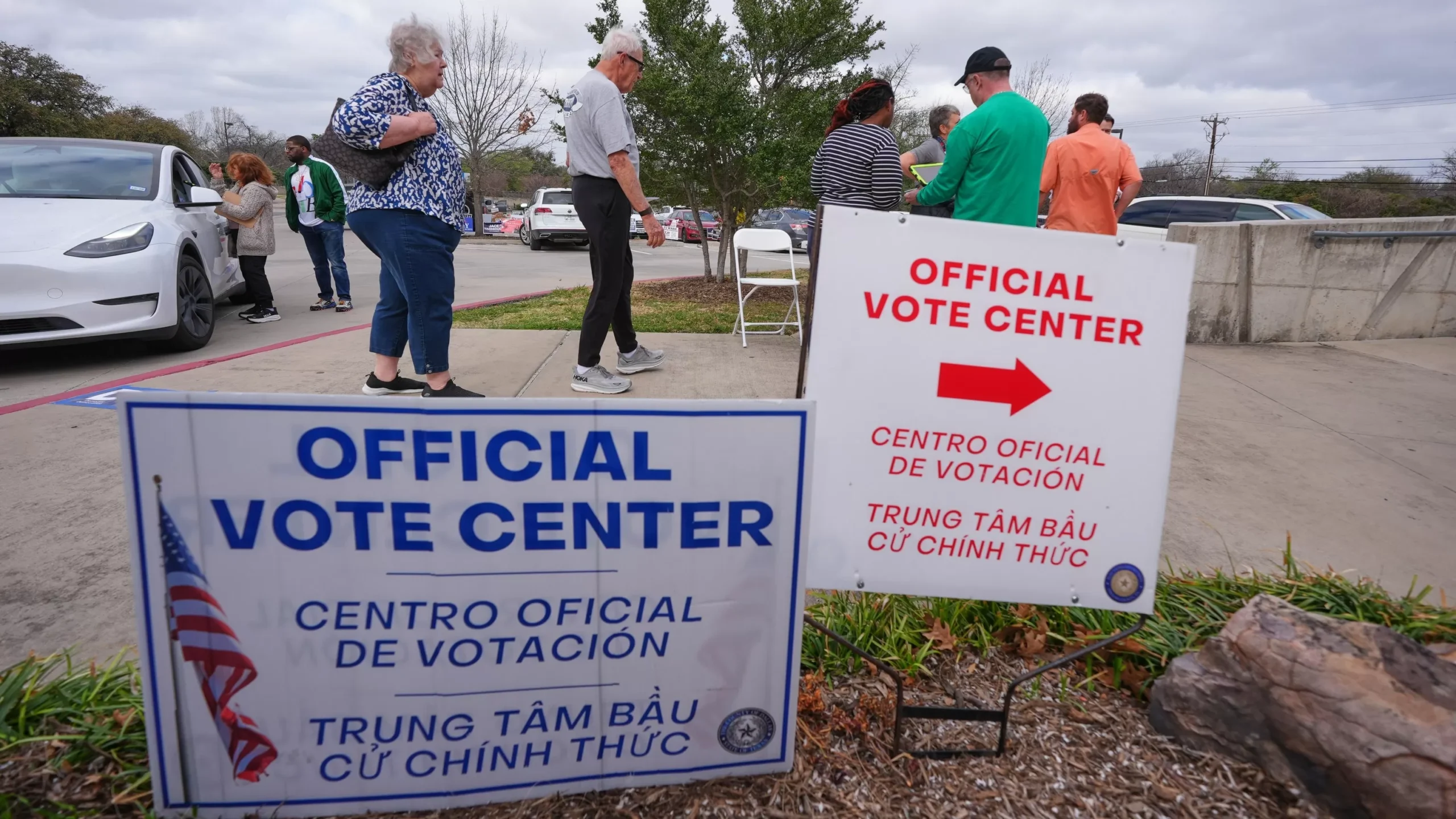
Legislation that requires proof of U.S. citizenship for new voters has been a hot topic of debate, with President Donald Trump making it a key rallying cry. This proposal, if passed, would require all new voters to provide proof of their citizenship in order to exercise their right to vote. While this may seem like a logical step to ensure the integrity of our elections, there are many who argue that it could have negative consequences for certain groups of people.
The idea behind this legislation is to prevent non-citizens from illegally casting their vote in elections. President Trump believes that this is a major issue and has often cited it as a reason for his loss in the popular vote during the 2016 election. He has repeatedly claimed that millions of illegal votes were cast, leading to his loss in the popular vote. This has raised concerns about the legitimacy of our elections and ignited a push for stricter voter identification laws.
Proponents of this legislation argue that requiring proof of citizenship is a necessary step to ensure the integrity of our elections. They claim that it is a simple and common-sense solution to prevent non-citizens from influencing the outcome of our democratic process. They also point to other countries, like Canada and Australia, where proof of citizenship is required to vote.
However, critics of this proposal argue that it could have negative consequences for certain groups of people, particularly minority and low-income communities. They believe that this requirement could disenfranchise eligible voters who may not have easy access to their citizenship documents. Obtaining a birth certificate, passport, or naturalization certificate can be a costly and time-consuming process for many Americans. This could impede their ability to exercise their right to vote and silence their voices in our democracy.
Furthermore, opponents of this legislation also argue that there is no evidence to suggest that voter fraud by non-citizens is a widespread issue. They believe that this proposal is simply a tactic to suppress voter turnout among certain demographics, as those who may struggle to provide proof of citizenship are often from marginalized communities.
Despite these concerns, President Trump continues to push for this legislation, which has gained support from some Republican lawmakers. In fact, in 2018, the House passed a bill that would require individuals to provide proof of citizenship when registering to vote. However, this bill was ultimately blocked by the Senate.
It is important to note that this legislation would only affect new voters, not those who are currently registered to vote. This means that it would not impact the outcome of the upcoming presidential election. However, if this legislation were to pass in the future, it could have significant implications for future elections.
In addition to concerns about potential voter suppression, there are also logistical challenges to consider if this legislation were to be implemented. Election officials would have to verify the citizenship of every new voter, which could lead to longer lines and delays at polling places.
So, where do we go from here? While there is certainly a need to address any potential issues with our election system, it is crucial that we do not do so at the expense of accessible and fair voting rights for all Americans. We must find a balance between protecting the integrity of our elections and ensuring that every eligible citizen has the opportunity to participate in our democracy.
Instead of pushing for legislation that could potentially hinder certain individuals from voting, we should focus on improving the accessibility and security of the voter registration process. This could include measures such as implementing online voter registration and modernizing the registration system to prevent duplicate registrations.
It is also essential for all citizens to actively participate in our democracy by registering and casting their vote in every election. This is our duty as citizens and the best way to ensure that our voices are heard in the decision-making process.
In conclusion, the proposal for legislation requiring proof of U.S. citizenship for new voters may seem like a straightforward solution to prevent non-citizens from influencing our elections. However, it is not without its drawbacks and potential consequences. We must carefully consider the impact of such measures on marginalized communities and find a balance between protecting the integrity of our elections and ensuring fair and accessible voting rights for all citizens.