
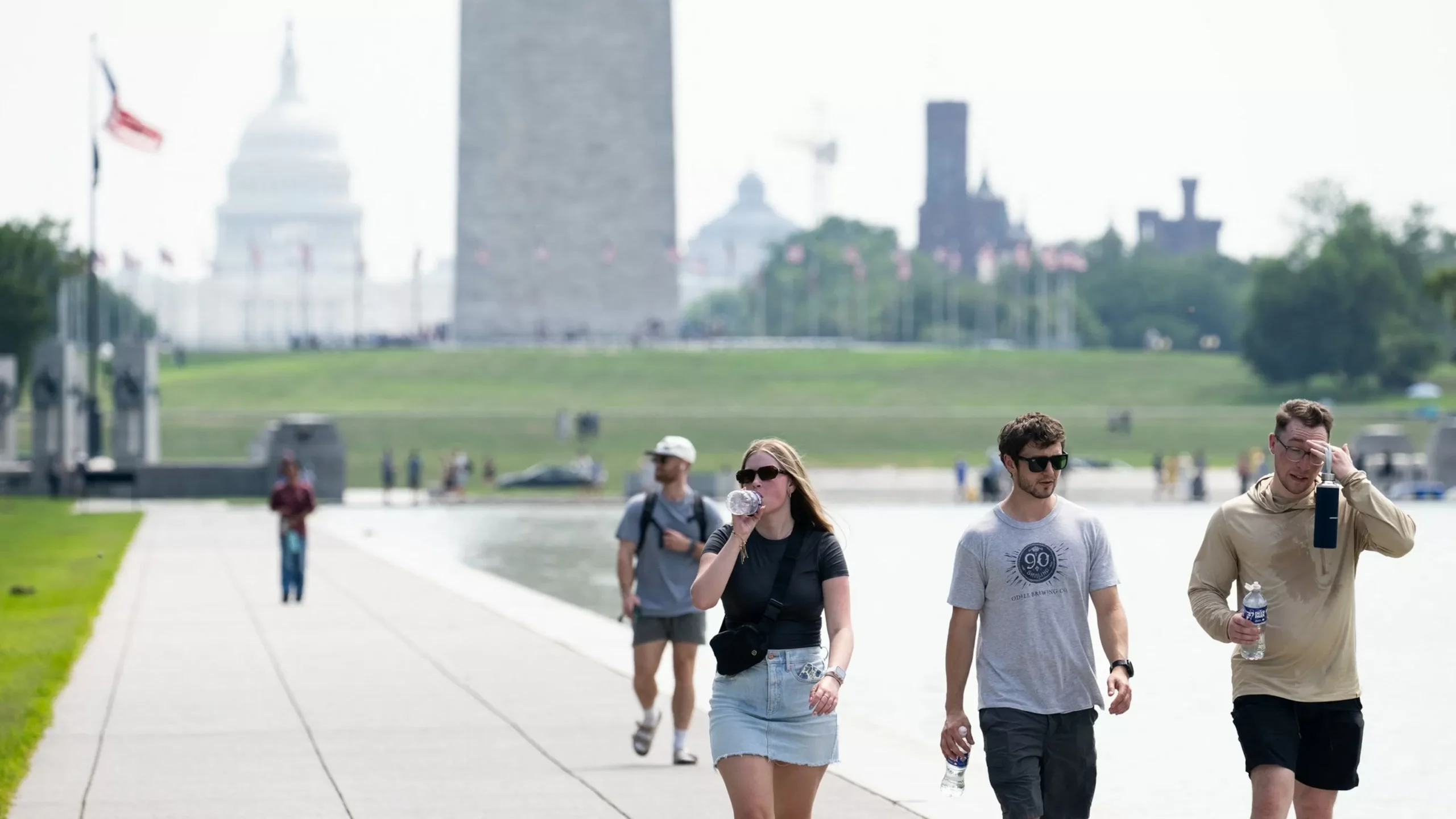
As global temperatures continue to rise, we are facing more than just extreme weather events. A new study has revealed that a shift towards a more sedentary lifestyle, driven by the heat, could lead to hundreds of thousands of premature deaths.
The study, conducted by a team of researchers from the University of Malawi, has found that as the average global temperature increases, so does the number of people who are becoming less physically active. This is a worrying trend as physical activity is crucial for maintaining good health and preventing chronic diseases.
According to the World Health Organization, physical inactivity is the fourth leading risk factor for global mortality, responsible for an estimated 3.2 million deaths each year. Now, with rising temperatures, this number could increase significantly if we don’t take immediate action.
The study, published in the International Journal of Environmental Research and Public Health, analyzed data from over 1.9 million adults across 168 countries. The results were staggering – a global temperature increase of just 1 degree Celsius can result in a 1.4% decrease in physical activity levels. And with every 1 degree Celsius increase, the number of people who are not meeting recommended physical activity levels increases by 8.6 million.
It’s not surprising that the heat is leading to less physical activity. As temperatures soar, it becomes increasingly challenging to engage in outdoor activities or even exercise indoors without air conditioning. This is a particularly significant problem in low-income countries where access to air conditioning is limited, and people often have to rely on physical activities like walking or cycling for transportation.
But why is this shift towards a more sedentary lifestyle such a concern? The study’s lead author, Dr. Salome Munthali, explains, “Physical inactivity is a major risk factor for non-communicable diseases such as heart disease, stroke, and diabetes. With the global temperature on the rise, we are not only facing the immediate effects of extreme heat, but we are also putting ourselves at higher risk for chronic diseases in the long run.”
Dr. Munthali also emphasizes that this trend will have a significant impact on the overall health and well-being of individuals and communities. With fewer people engaging in physical activity, the burden on healthcare systems will increase, and the quality of life of individuals will deteriorate.
But all is not lost. The study also highlighted the positive impact of urban green spaces in mitigating the effects of rising temperatures on physical activity levels. Access to green spaces such as parks and gardens has been linked to higher levels of physical activity, especially in urban areas. This finding emphasizes the importance of creating and preserving green spaces in our cities to encourage people to stay physically active.
Furthermore, we need to take individual responsibility for our health and well-being. We can still find ways to stay physically active even in hot weather. Simple changes like exercising early in the morning or in the evening, drinking plenty of water, and opting for indoor physical activities can make a significant difference. We can also support and advocate for policies that promote physical activity and sustainable urban planning, such as creating more bike lanes and pedestrian-friendly spaces.
The key takeaway from this study is that we cannot afford to ignore the impact of rising temperatures on our physical activity levels. It’s time to prioritize our health and well-being and take proactive measures to stay physically active, even in the face of extreme heat. By doing so, we can not only prevent premature deaths but also improve our overall quality of life.
In conclusion, let us not succumb to a sedentary lifestyle as a result of the rising temperatures. Instead, let us use this as a wake-up call to take action and make the necessary changes to ensure a healthier, more active future for ourselves and our communities. Remember, our health is in our hands, and staying physically active is one of the best ways to protect it. Let’s make it a priority, for ourselves and for generations to come.