
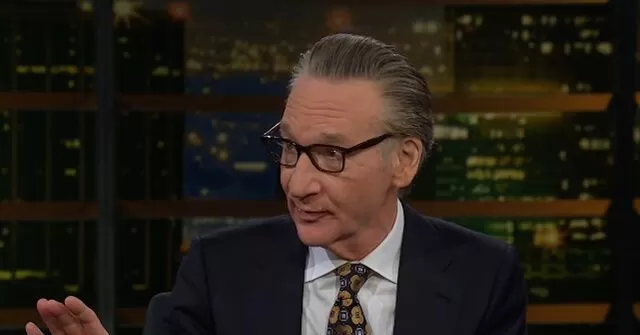
In a recent episode of HBO’s “Real Time,” host Bill Maher brought up an important issue that often gets overlooked in discussions about the Middle East – the potential for religious fanatics to come to power through free elections. Maher pointed out that this has already happened in countries like Egypt and Algeria, and warned that it could happen in Iran as well.
Maher’s comments were met with some pushback from his panel, with one guest arguing that the ruling class in the West likes to pretend that the people in the Middle East don’t actually want theocracy. But Maher stood his ground, insisting that this is a real concern that needs to be addressed.
And he’s absolutely right. The reality is that many people in the Middle East do want theocracy. This may be hard for some in the West to accept, but it’s a fact that cannot be ignored. And it’s not just limited to Iran – there are other countries in the region where religious fundamentalism is gaining ground and threatening to take over.
One only needs to look at the recent elections in Egypt and Algeria to see how this can happen. In both cases, Islamist parties were able to win a significant number of seats in parliament, and in Egypt’s case, even the presidency. This is despite the fact that these countries have a history of secularism and were once seen as beacons of progress in the region.
So why is this happening? There are a number of factors at play, but one of the main reasons is the failure of secular governments to deliver on their promises. For decades, the ruling elites in these countries have been more concerned with maintaining their own power and wealth than with improving the lives of their citizens. This has created a sense of disillusionment and frustration among the people, who are now turning to religion as a source of hope and stability.
But it’s not just the failure of secular governments that is driving this trend. There is also a growing sense of identity crisis in the Middle East, as people struggle to define who they are and where they belong in a rapidly changing world. This has made them more susceptible to the simplistic and often dangerous rhetoric of religious extremists, who offer a clear and uncompromising vision of society.
And let’s not forget the role of external actors in all of this. For years, the West has propped up authoritarian regimes in the Middle East, turning a blind eye to their human rights abuses and stifling of dissent. This has only fueled the resentment and anger of the people, who see the West as hypocritical and self-serving. And when the people feel betrayed by their own governments and abandoned by the international community, they turn to religion as a source of strength and unity.
So what can be done to prevent the rise of theocracy in the Middle East? First and foremost, the West needs to stop supporting oppressive regimes and start standing up for the rights and aspirations of the people. This means holding these governments accountable for their actions and supporting genuine democratic movements.
But it also means addressing the underlying issues that are driving people towards religious extremism. This includes promoting education and economic opportunities, as well as fostering a sense of national identity that is not based on religion. It also means engaging in meaningful dialogue with religious leaders and promoting a more moderate and tolerant interpretation of Islam.
Ultimately, the fight against theocracy in the Middle East is a complex and long-term battle. It will require a concerted effort from both the people of the region and the international community. But it’s a battle that must be fought, because the alternative – a Middle East ruled by religious fanatics – is simply too dangerous to contemplate.
So let’s not pretend that the people of the Middle East don’t want theocracy. Let’s acknowledge the reality and work towards a better future for all. As Maher rightly pointed out, the ruling class in the West may like to pretend otherwise, but it’s time to face the truth and take action. The future of the Middle East – and the world – depends on it.