
The International Energy Agency (IEA) has recently proposed a bold and unprecedented move to counter the rising crude oil prices caused by the ongoing U.S.-Israel war with Iran. According to a report by the Wall Street Journal, the IEA is considering the largest release of oil reserves in its history in order to bring down the soaring prices and stabilize the global oil market.
The proposal comes at a critical time when tensions in the Middle East are at an all-time high. The recent attacks on oil tankers in the Strait of Hormuz, a vital shipping route for global oil supplies, have further escalated the crisis. The IEA’s decision to intervene in the market is a much-needed step to mitigate the impact of this crisis on the global economy.
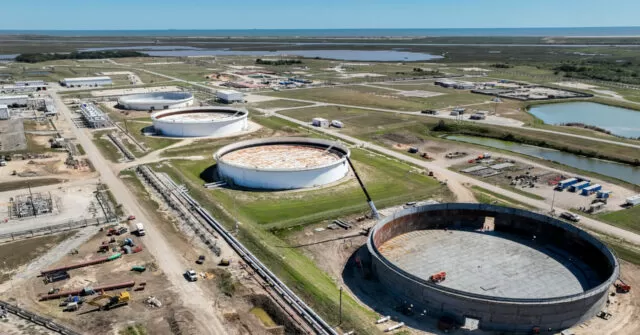
The IEA, which is an autonomous intergovernmental organization, was established in 1974 in response to the oil crisis. Its primary objective is to ensure the security of energy supplies and promote sustainable energy policies. The agency has a strategic reserve of 1.55 billion barrels of oil, which is meant to be used in case of emergencies or supply disruptions.
The proposed release of oil reserves is a significant move by the IEA, as it would be the largest-ever release in its history. The agency has previously released oil reserves only three times, the last one being in 2011 during the Libyan civil war. This shows the gravity of the current situation and the urgency to take action.
The release of oil reserves would involve the sale of millions of barrels of oil from the strategic reserve to the market. This would increase the supply of oil and bring down the prices, providing much-needed relief to consumers and businesses around the world. It would also send a strong message to the market that the IEA is committed to maintaining stability in the energy sector.
The proposal has received support from major oil-consuming countries, including the United States, Japan, and South Korea. These countries have expressed their willingness to cooperate with the IEA and contribute to the release of oil reserves. This collective effort is crucial in ensuring the success of this initiative.
The IEA’s proposal has been met with positive reactions from the market, with oil prices dropping by more than 3% after the news broke. This is a clear indication that the market is in dire need of a solution to the current crisis. The release of oil reserves would not only bring down the prices but also prevent a potential supply shortage in the future.
Moreover, the IEA’s proposal is a testament to the agency’s commitment to its mandate of ensuring energy security. By taking proactive measures to address the current crisis, the IEA has once again proven its role as a key player in the global energy market.
In conclusion, the IEA’s proposal to release the largest-ever oil reserves is a bold and necessary step to counter the ongoing crisis in the Middle East. It is a clear demonstration of the agency’s dedication to maintaining stability in the energy sector and protecting the interests of consumers and businesses worldwide. The proposed release of oil reserves is a positive development that will have a significant impact on the global economy, and we can only hope that it will be implemented swiftly and effectively.