
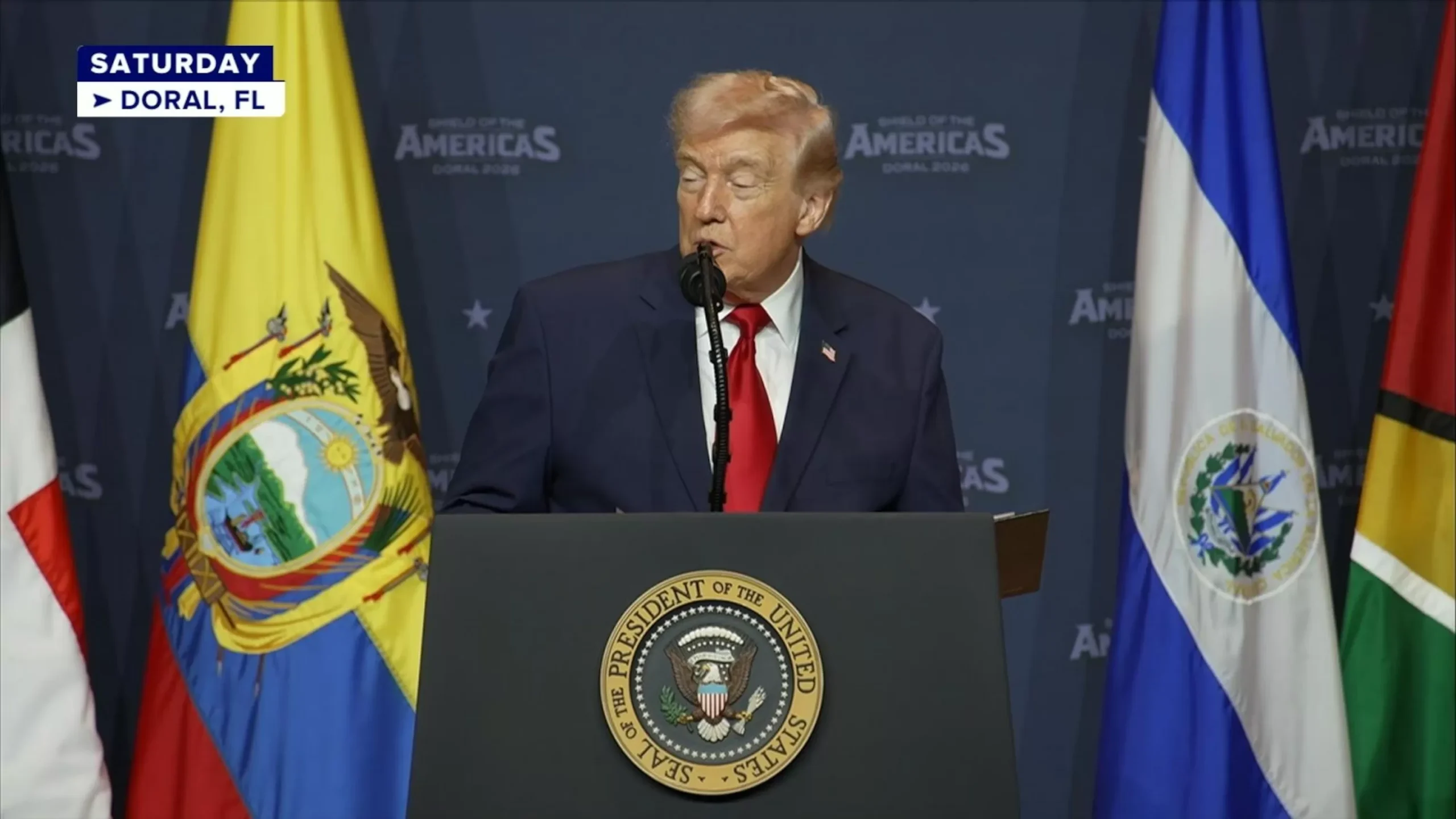
President Donald Trump has recently suggested that Cuba could be an easy target for overthrow, sparking tensions in the region. With such remarks, one must wonder about the potential consequences of U.S. intervention in Cuba. Military expert Mick Mulroy weighs in on what such intervention would actually look like.
The relationship between the United States and Cuba has been complex and at times, tumultuous. Since the Cuban Revolution in 1959, the U.S. has imposed economic sanctions and a trade embargo on the island nation, creating a decades-long rift between the two countries. However, with the recent rise of tensions between the U.S. and Cuba, President Trump has made remarks that hint at the possibility of U.S. intervention in the country.
During a recent meeting with Caribbean leaders, President Trump stated, “I think it would be very easy to bring Cuba back into the fold, but we have to be very careful with the lives of the people of Cuba.” He also mentioned that he had “five or six different options” for dealing with the Cuban government, further fueling speculation about possible intervention.
In response, Mick Mulroy, a former Deputy Assistant Secretary of Defense in the Trump administration, has weighed in on the matter. He explains that a military intervention in Cuba would not be as simple as President Trump makes it seem. Mulroy states, “Even though Cuba may seem like an easy target, it is not a wise decision to make such assumptions.” He goes on to point out that Cuba has a strong and battle-tested military, and any attempt to overthrow the government would not be a cakewalk.
Mulroy also highlights the potential consequences of U.S. intervention in Cuba, warning that it could lead to a prolonged and costly conflict. He explains that Cuba has a long history of successfully defending against foreign invasions, as seen in the failed Bay of Pigs invasion in 1961. Mulroy adds, “Any military action would most likely result in significant loss of life and resources for both sides.”
Moreover, the Cuban people have shown unwavering support for their government, despite the economic hardships caused by the U.S. sanctions. Mulroy notes that a large portion of the Cuban population believes in their government’s ideology and would not easily surrender to a foreign power. He further emphasizes the importance of considering the potential consequences of intervention on the Cuban people, who have already endured decades of economic struggles.
Apart from the military and societal challenges, U.S. intervention would also raise serious political and diplomatic concerns. Mulroy points out that any military action in Cuba would not only strain the relationship between the U.S. and Cuba but also with other countries in the region. He adds, “Any unilateral military intervention in Cuba would be met with strong opposition from other nations and could potentially lead to increased tensions and conflicts in the region.”
In the end, Mulroy stresses the need for a strategic and diplomatic approach in dealing with Cuba. He suggests that instead of military intervention, the U.S. should focus on fostering dialogue and cooperation with the Cuban government. Mulroy states, “A diplomatic approach would not only prevent unnecessary bloodshed but also have a long-lasting positive impact on the relationship between the two countries.”
In conclusion, President Trump’s comments about potentially overthrowing the Cuban government may seem like an easy solution, but military expert Mick Mulroy has shed light on the complexities and potential consequences of such action. A military intervention in Cuba would not be a quick and simple affair, and it could have severe repercussions for both the U.S. and Cuba. As tensions continue to rise, it is crucial for all parties involved to approach this delicate situation with caution and diplomacy. Only through peaceful means can a lasting solution be achieved for the benefit of both nations.