
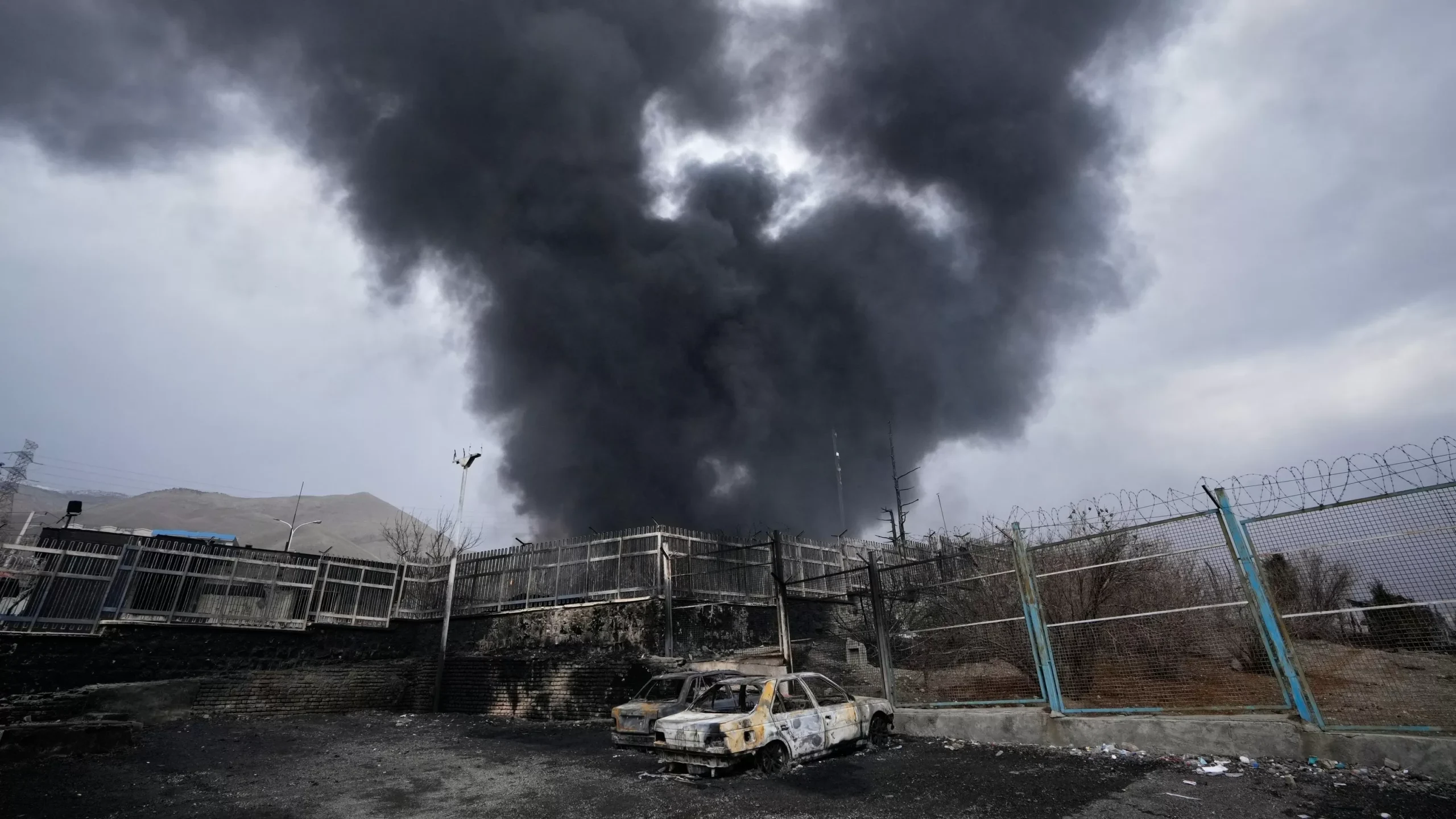
Oil prices have reached a staggering $114 a barrel as the ongoing Iran war continues to disrupt oil production and shipping in the Middle East. This sudden surge in prices has caused concern among consumers and businesses alike, as they brace themselves for the impact on their daily lives and operations.
The conflict between the United States and Iran has been escalating in recent months, with tensions rising to dangerous levels. The US has imposed heavy sanctions on Iran, targeting its oil exports and crippling its economy. In response, Iran has threatened to close the Strait of Hormuz, a crucial waterway through which one-fifth of the world’s oil supply passes.
As the situation intensifies, the fear of a full-blown war has become a reality, and the effects are being felt in the global oil market. The uncertainty surrounding the future of oil production and shipping in the Middle East has caused a sharp increase in prices, with experts predicting that it could go even higher if the conflict persists.
The rise in oil prices has a significant impact on the global economy, as oil is a vital resource for almost every industry. The transportation sector, which heavily relies on oil, is already feeling the pinch as fuel prices continue to rise. This, in turn, affects the cost of goods and services, leading to inflation and a strain on consumers’ wallets.
Businesses are also facing challenges as they struggle to keep up with the rising costs of production and transportation. This could potentially lead to a decrease in profits and job losses, creating a ripple effect on the economy.
However, amidst all the chaos and uncertainty, there is a glimmer of hope. The rise in oil prices has also brought attention to alternative sources of energy, such as renewable energy. This could be an opportunity for countries to invest in cleaner and more sustainable sources of energy, reducing their dependence on oil and mitigating the impact of rising prices.
Moreover, the increase in oil prices has also sparked a renewed interest in exploring and developing new oil reserves in other parts of the world. This could lead to a more diverse and stable global oil market, reducing the impact of any future disruptions in the Middle East.
Furthermore, the rise in oil prices could also benefit oil-producing countries in the Middle East, as they will see an increase in revenue. This could potentially boost their economies and allow them to invest in other industries, diversifying their economies and reducing their reliance on oil.
It is also worth noting that the rise in oil prices is not solely due to the Iran war. Other factors, such as the ongoing trade war between the US and China and the recent attacks on oil tankers in the Gulf of Oman, have also contributed to the increase. However, the Iran war remains a significant factor, and its resolution could potentially lead to a decrease in oil prices.
In conclusion, while the rise in oil prices may cause concern and disruption in the short term, it also presents opportunities for growth and development in the long run. It is crucial for countries to work towards finding a peaceful resolution to the Iran war and to invest in alternative sources of energy to reduce their dependence on oil. By doing so, we can create a more stable and sustainable global economy, ensuring a brighter future for generations to come.