
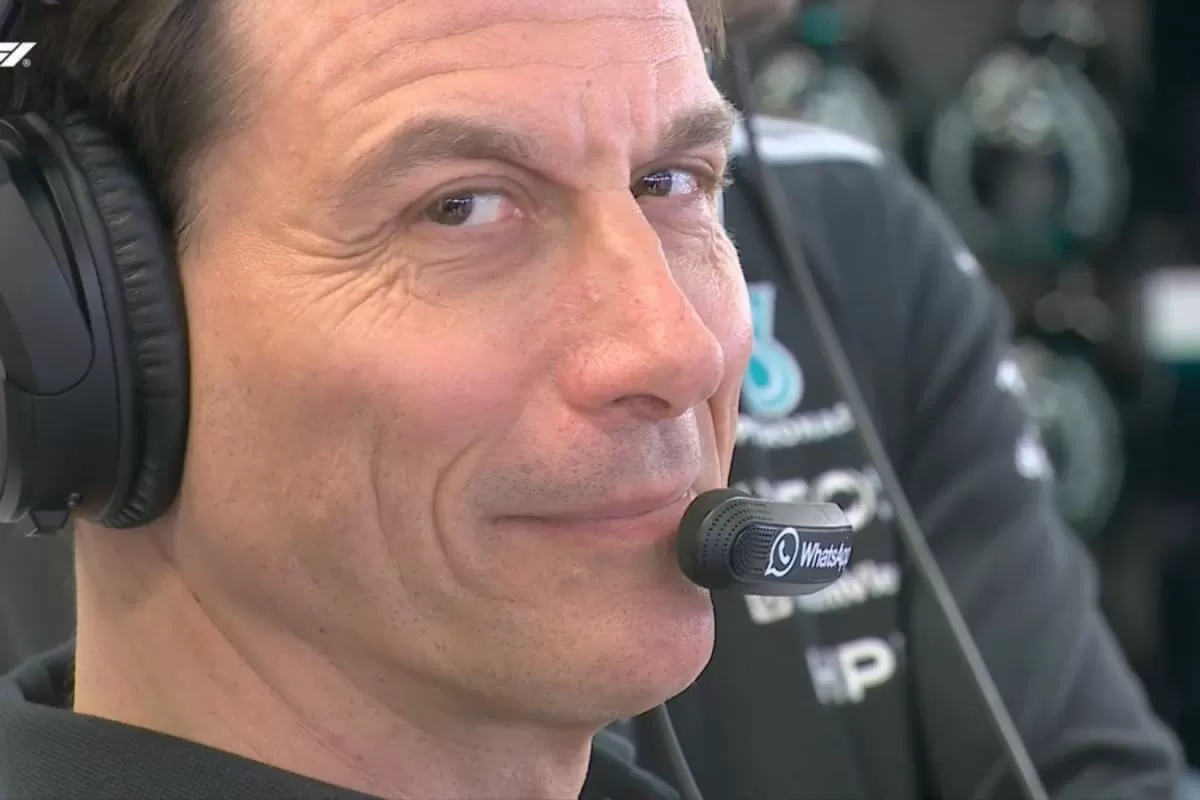
Sandbagging is a term commonly used in the world of Formula 1 to describe a specific tactic that teams and drivers utilise to gain an edge over their competitors. It involves deliberately downplaying their potential or masking their true abilities in order to lull their opponents into a false sense of security. This allows the team or driver to spring a surprise on the competition when it matters the most. It is a subtle and calculated mind game, and one that has been a part of the sport for a long time.
In the high stakes world of Formula 1, where winning is everything, teams and drivers are constantly looking for ways to gain a competitive advantage. While most of the focus is on technical innovations and driver skills, the psychological aspect of the sport is equally important. This is where sandbagging comes into play, and it is a tactic that Mercedes and its Team Principal Toto Wolff have truly mastered.
Since its entry into Formula 1 in 2010, Mercedes has established itself as one of the dominant teams in the sport, achieving numerous victories and championships. However, it is not just their technical prowess that has contributed to their success. The team’s strategic use of sandbagging has been a key factor in their triumphs.
One of the earliest and most notable instances of Mercedes’ sandbagging strategy was during the 2014 pre-season testing. At that time, the team had just introduced its revolutionary new car, the W05 Hybrid. The car showed incredible speed and potential, leading many to believe that Mercedes would be unstoppable that season. However, at the first race of the season in Australia, Mercedes seemed to struggle and qualified only third and fourth on the grid, behind their rivals.
At the time, many in the paddock speculated that Mercedes had been sandbagging during testing to avoid revealing their true pace. And their suspicions were proven right when Mercedes went on to win the race with ease, demonstrating their true dominance. This tactic not only caught their opponents off guard but also allowed Mercedes to keep their cards close to their chest and maintain an aura of mystery around their performance.
This was just the beginning of Mercedes’ mastery of the sandbagging strategy. Over the years, they have perfected the art of hiding their true pace during testing and practice sessions, only to unleash their full potential during qualifying and races. This gives them an edge over their opponents who may have been lulled into a false sense of security, thinking that they have a chance of beating Mercedes.
Another aspect of Mercedes’ sandbagging tactic is their clever use of mind games off the track. Team Principal Toto Wolff is known for his shrewd and strategic approach to the sport, and he uses this to his advantage. By constantly downplaying his team’s chances or praising their opponents, Wolff creates a psychological battle that can impact the mindset of his rivals. This tactic has been highly effective, with many drivers and teams falling prey to it and underperforming as a result.
Mercedes’ rivals are not the only ones who have been affected by their sandbagging strategy. The media and fans are also not immune to its effects. The team has often faced criticism for not showing their true potential or for seemingly underperforming in certain races. But as history has shown, Mercedes’ sandbagging is a calculated move, and they have always come out on top when it matters the most.
One of the most recent examples of Mercedes’ sandbagging mastery was seen during the 2021 pre-season testing. The team faced several technical issues and failed to top the timesheets on any of the three days, leading many to believe that they may not have the same level of dominance as in previous years. However, as soon as the season began, Mercedes proved their critics wrong by securing pole position and a one-two finish in the first race. Once again, their opponents were caught off guard, unsure of what had transpired during testing and how Mercedes had managed to improve their performance.
In a sport where the margin between victory and defeat is often measured in milliseconds, any advantage, no matter how small, can make a significant difference. Mercedes and Toto Wolff are well aware of this, and their mastery of the sandbagging strategy has undoubtedly played a crucial role in their continued success in Formula 1.
Some may argue that sandbagging goes against the spirit of competition or is not a fair tactic. However, in a sport where every team and driver is constantly looking