
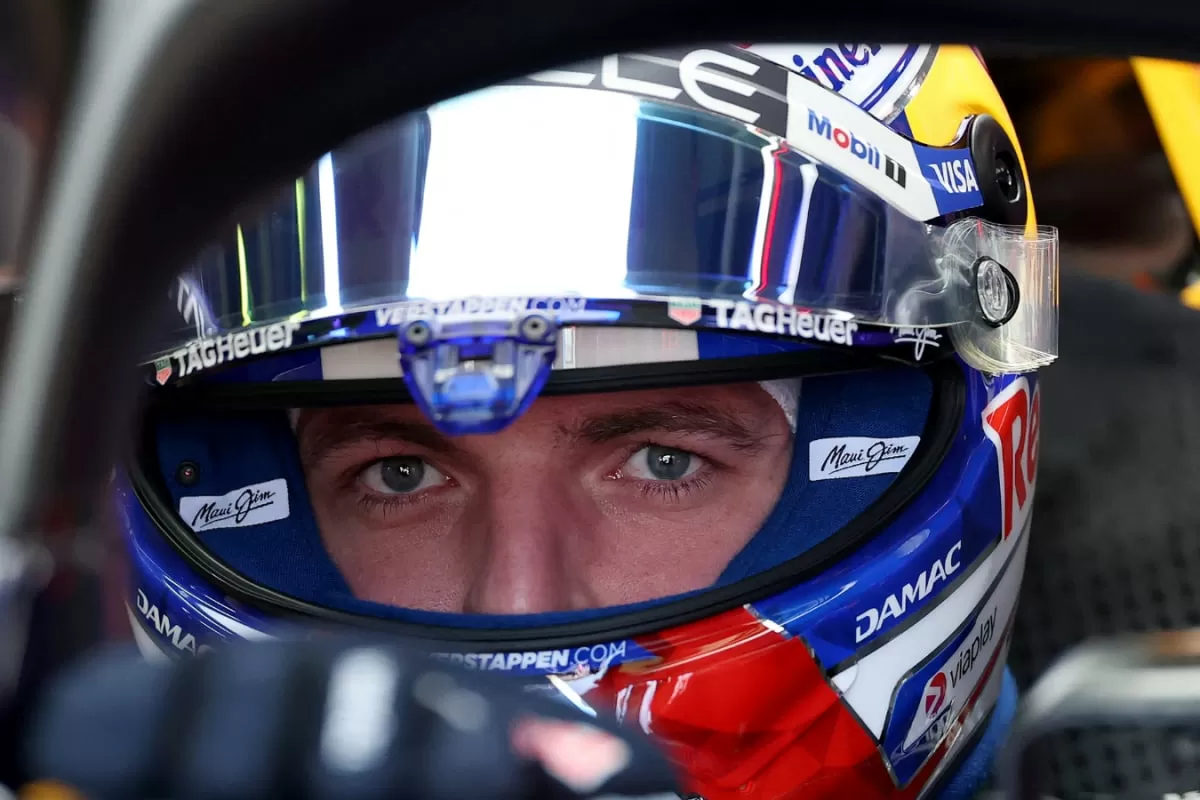
Formula 1 (F1) has always been a sport of innovation and advancement, but the newly announced 2026 rules have caused quite a stir in the racing world. The most controversial change being the introduction of smaller, lighter cars with a 50/50 fuel-electric split. While some have welcomed the change, top drivers Max Verstappen and Lewis Hamilton have labeled them as ‘anti-racing’. However, F1 President Stefano Domenicali has come out in defense of the changes, stating that they will bring a new era of sustainability and excitement to the sport.
The 2026 F1 rules, which were announced by the FIA and F1 earlier this month, aim to reduce the carbon footprint of the sport and promote sustainability. As part of these changes, the current hybrid engines will be replaced by more efficient power units, and cars will be smaller and lighter, making them more agile on the track. But the most significant change that has sparked controversy is the 50/50 fuel-electric split, which means that cars will be divided equally between traditional fuel and electric power.
However, not everyone is pleased with these new rules. Red Bull’s ace driver Max Verstappen has been vocal in his criticism, stating that the changes will take the excitement out of the sport. He believes that the new cars will not be as fast as they are now and that the sound of the engines will be significantly reduced. Verstappen also expressed concerns that the 50/50 fuel-electric split would take away the challenge of racing and reduce it to just an energy-saving competition.
Mercedes’ six-time world champion Lewis Hamilton also joined in on the criticism, stating that the new rules would make the cars less challenging to drive and remove the physical aspect of racing. Hamilton further added that he is worried about the potential impact on the drivers’ fitness level, as the new cars would require less physical exertion.
But F1 President Stefano Domenicali has defended the changes, emphasizing the need for the sport to become more environmentally friendly. In an interview, he said, “We must take the lead and make sustainable choices that will help reduce our carbon footprint. F1 has a global platform, and we need to use it to showcase sustainability and inspire positive change.”
Domenicali also reiterated that the new cars will still be fast and challenging to drive, stating that the FIA and F1 have extensively tested the new engines and aerodynamics to ensure that they maintain the same level of performance. He also stated that the sound of the engines will still be loud and distinct, contrary to Verstappen’s concerns.
The F1 President also addressed Hamilton’s criticism, stating that the physical aspect of the sport will not be affected. In fact, Domenicali believes that the 50/50 fuel-electric split will bring an additional challenge for the drivers, as they will have to manage their energy usage throughout the race.
Moreover, the FIA and F1 have also announced that they will be introducing a new race format in 2026, which will consist of shorter races with a sprint race on Saturdays. This change aims to add more excitement and unpredictability to the weekends, as well as reduce the teams’ and drivers’ workload.
The 2026 F1 rules have received mixed reactions from fans and experts alike. Some believe that these changes will revolutionize the sport and bring a much-needed focus on sustainability, while others fear that they will take away the essence of F1. However, as Domenicali stated, it is crucial for the sport to adapt and evolve with the times, and these changes will only make it stronger in the long run.
In conclusion, while drivers like Verstappen and Hamilton may have their reservations about the 2026 F1 rules, it is essential to remember that ultimately, it is the responsibility of the sport to lead the way in promoting sustainability. These changes will not only make F1 more environmentally friendly but will also bring new challenges for the drivers and add more excitement for the fans. As we wait for 2026, we can only hope that these changes will indeed elevate the sport to new heights.