
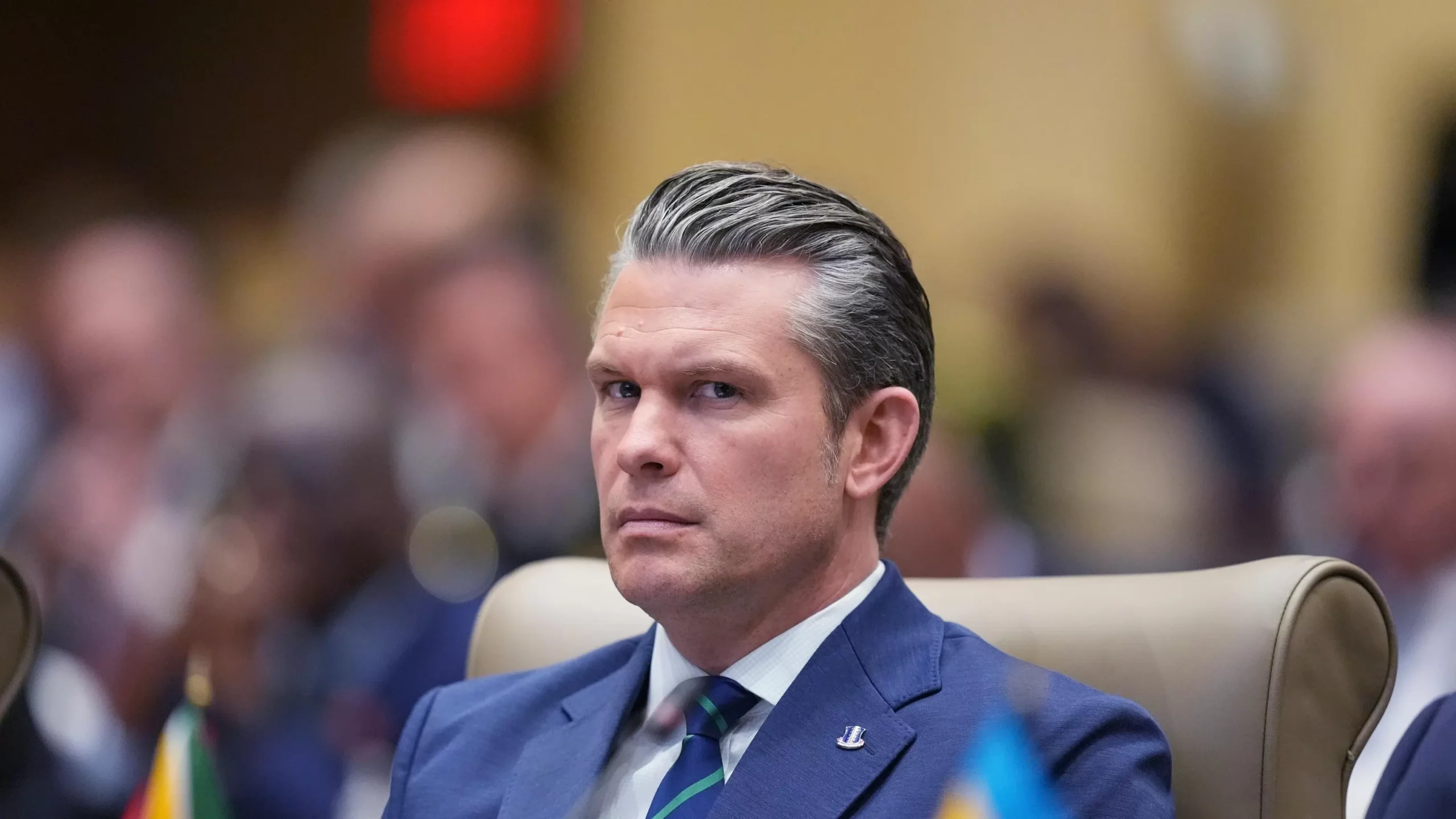
The Trump administration’s campaign to end “wokeness” in the military has sparked a heated debate across the country. This controversial move has not only affected the military, but it is also reshaping its relationship with U.S. higher education.
For those unfamiliar with the term, “wokeness” refers to being aware and actively fighting against social injustices and systemic racism. It has become a buzzword in recent years, especially in academic and activist circles. However, the Trump administration sees it as a threat to the military’s values and has taken steps to eradicate it from the armed forces.
One of the first actions taken by the administration was to ban diversity and inclusion training for federal agencies, including the military. This move was met with backlash from many universities and colleges, who have been at the forefront of promoting diversity and inclusion on their campuses. These institutions have long recognized the importance of educating students on issues of race, gender, and social justice, and have been incorporating these topics into their curriculum and campus culture.
The ban on diversity training has not only affected the military but has also had a ripple effect on higher education. Many universities and colleges have partnerships with the military, providing educational opportunities for service members and veterans. These partnerships have been put at risk due to the administration’s stance on “wokeness.”
Furthermore, the administration’s campaign has also led to the removal of critical race theory from the curriculum of military academies. Critical race theory is an academic framework that examines how systemic racism and discrimination have shaped society and institutions. Its removal has been met with criticism from educators and students alike, who argue that it is essential to understand these issues in order to create a more inclusive and just society.
The Trump administration’s actions have also caused concern among students and faculty at universities and colleges. Many fear that the ban on diversity training and the removal of critical race theory from the military’s curriculum will have a chilling effect on academic freedom and open discourse on important social issues. This could have a significant impact on the education and development of future military leaders, who will be responsible for making critical decisions that affect the lives of their fellow service members and the country.
Moreover, the administration’s campaign to end “wokeness” in the military has also raised questions about the role of higher education in shaping the values and beliefs of the armed forces. The military has long been seen as a reflection of society, and the values and principles it upholds are often influenced by the broader cultural and social context. With the administration’s efforts to suppress discussions on social justice and diversity, the military’s relationship with higher education is at risk of being reshaped.
However, despite these challenges, many universities and colleges remain committed to promoting diversity and inclusion. They continue to offer courses and programs that educate students on issues of social justice and provide a platform for open and respectful dialogue. These institutions understand the importance of preparing students to be critical thinkers and responsible citizens, and they will not be deterred by the administration’s attempts to silence these discussions.
In conclusion, the Trump administration’s campaign to end “wokeness” in the military is not only reshaping the armed forces but also its relationship with U.S. higher education. The ban on diversity training and the removal of critical race theory from the military’s curriculum have raised concerns about academic freedom and the role of higher education in shaping the values of the armed forces. However, universities and colleges remain committed to promoting diversity and inclusion, and they will continue to play a vital role in educating future military leaders. It is essential to recognize the value of diversity and inclusion in creating a stronger and more united society, and we must not let the administration’s efforts to suppress these discussions hinder our progress towards a more just and equitable future.