
The recent missile strikes by the U.S. and Israeli military on Iran have sparked a heated debate among commentators. Many have raised concerns that President Trump’s actions are leading America into yet another entanglement in the Middle East. However, on the latest episode of The Drill Down, host Peter Schweizer and co-host Eric Eggers delve into this allegation and analyze the potential winners and losers in this situation.
Firstly, it is important to understand the context of these missile strikes. The U.S. and Israel have long been at odds with Iran due to its aggressive and destabilizing actions in the region. Iran has been a major sponsor of terrorism and has continuously threatened the security of its neighboring countries. In response, the U.S. and Israel have taken necessary measures to protect their interests and ensure the safety of their citizens.
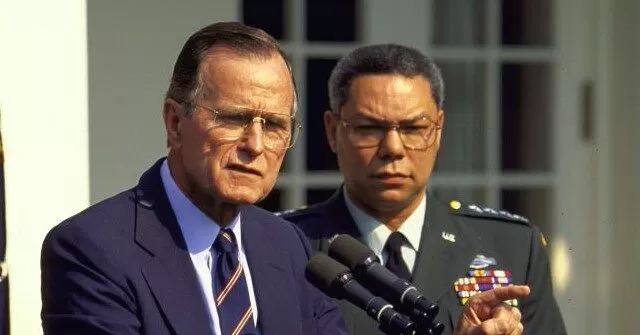
However, some critics have argued that these missile strikes are a sign of America being dragged into another endless war in the Middle East. This is a valid concern, given the history of U.S. involvement in the region. But, as Peter Schweizer points out, President Trump has put an end to the “Pottery Barn Rule” that was established during the Bush era. This rule stated that “if you break it, you own it,” implying that the U.S. was responsible for rebuilding any country it intervened in. President Trump has rejected this notion and has instead focused on protecting American interests and ensuring that the U.S. is not dragged into unnecessary conflicts.
In this regard, the winners in this situation are undoubtedly the American people. President Trump’s approach to foreign policy has been centered on putting America first and avoiding unnecessary entanglements in conflicts that do not directly threaten the country. By taking decisive action against Iran, he has sent a strong message that the U.S. will not tolerate any threats to its security and will protect its citizens at all costs.
Moreover, the U.S. and Israel have also emerged as winners in this situation. The missile strikes have successfully targeted key Iranian military installations, crippling their ability to carry out further attacks. This has not only weakened Iran’s military capabilities but has also sent a clear message that their aggressive actions will not go unpunished. This has undoubtedly strengthened the U.S. and Israel’s position in the region and has deterred any potential threats from Iran.
On the other hand, the losers in this situation are those who have been supporting and enabling Iran’s aggressive actions. This includes countries like Russia and China, who have been providing economic and military support to Iran. By taking decisive action against Iran, the U.S. has also sent a message to these countries that their actions will not be tolerated and that they will face consequences for supporting a state sponsor of terrorism.
In conclusion, the recent missile strikes by the U.S. and Israeli military on Iran have sparked a debate about America’s involvement in the Middle East. However, as Peter Schweizer and Eric Eggers have pointed out, President Trump’s actions have put an end to the “Pottery Barn Rule” and have focused on protecting American interests. The winners in this situation are undoubtedly the American people, as well as the U.S. and Israel, while the losers are those who have been supporting Iran’s aggressive actions. It is clear that President Trump’s approach to foreign policy is centered on protecting America and its allies, and this is a positive step towards ensuring peace and stability in the region.