
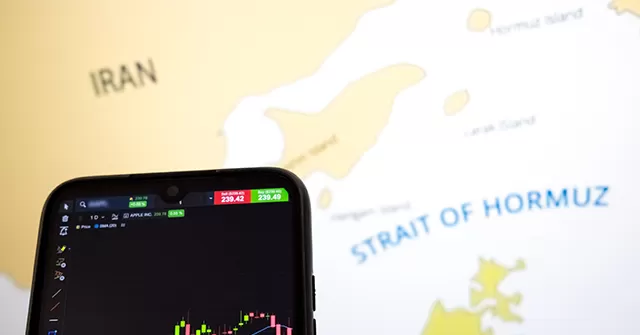
The current climate of the global economy is one of uncertainty and unpredictability. With tensions rising in the Middle East and fears of a potential conflict looming, the stock market has been experiencing fluctuations and volatility. Many investors are wondering how to navigate these uncertain times and what impact this conflict could have on their investments. However, amidst all the chaos and uncertainty, one thing is certain: the market is doing the only honest thing it can do – trying to price the duration of the conflict.
In the fog of war, it is impossible to accurately predict the outcome of any conflict. With conflicting reports and statements from various political leaders, it is easy for investors to get caught up in the fear and panic. However, the market is a reflection of the collective sentiment and analysis of investors. It takes into account all available information and tries to evaluate the potential impact on the economy and businesses. This is why the market is currently trying to price the duration of the conflict.
The recent events in the Strait of Hormuz have sparked fears of a potential military confrontation between the United States and Iran. This strategic waterway is a vital shipping route for oil and gas, making it a crucial location for global trade. Any disruption in this region could have severe implications for the global economy. Hence, the market is closely monitoring the situation and trying to assess the duration of the conflict.
It is essential for investors to understand that the market is not driven solely by emotions and speculation. It takes into account a range of factors such as economic indicators, company performance, and geopolitical events. Therefore, while the current situation may seem daunting, it is vital to maintain a long-term perspective and not make hasty decisions based on short-term fluctuations.
Furthermore, it is crucial to remember that the market has weathered many storms in the past and has always bounced back stronger. Despite past conflicts and crises, the market has consistently shown resilience and the ability to adapt to changing circumstances. This is a testament to the robustness of the global economy and the confidence of investors in its long-term stability.
The current situation in the Strait of Hormuz is a prime example of a potential scare turning into a shock. Initially, the market responded with caution and hesitation, as is expected in times of uncertainty. However, as more information became available and the situation seemed to de-escalate, the market rebounded and showed signs of recovery. This showcases the market’s ability to assess and adapt to changing circumstances, providing a sense of reassurance to investors.
As the market continues to price the duration of the conflict, it is essential for investors to stay informed and make well-informed decisions. It is also crucial to remember that the market is not a crystal ball, and it is impossible to accurately predict the outcome of any conflict. Instead, investors should focus on their long-term investment goals and stay patient during times of volatility.
In conclusion, the market is doing the only honest thing it can do in the fog of war: trying to price the duration of the conflict. As investors, we must trust in the market’s ability to assess and adapt to changing circumstances. While the current situation may be unsettling, it is essential to maintain a positive outlook and remember that the market has always emerged stronger from past crises. Let us not be swayed by fear and panic, but instead, trust in the resilience of the global economy and the market’s ability to navigate through uncertain times.