
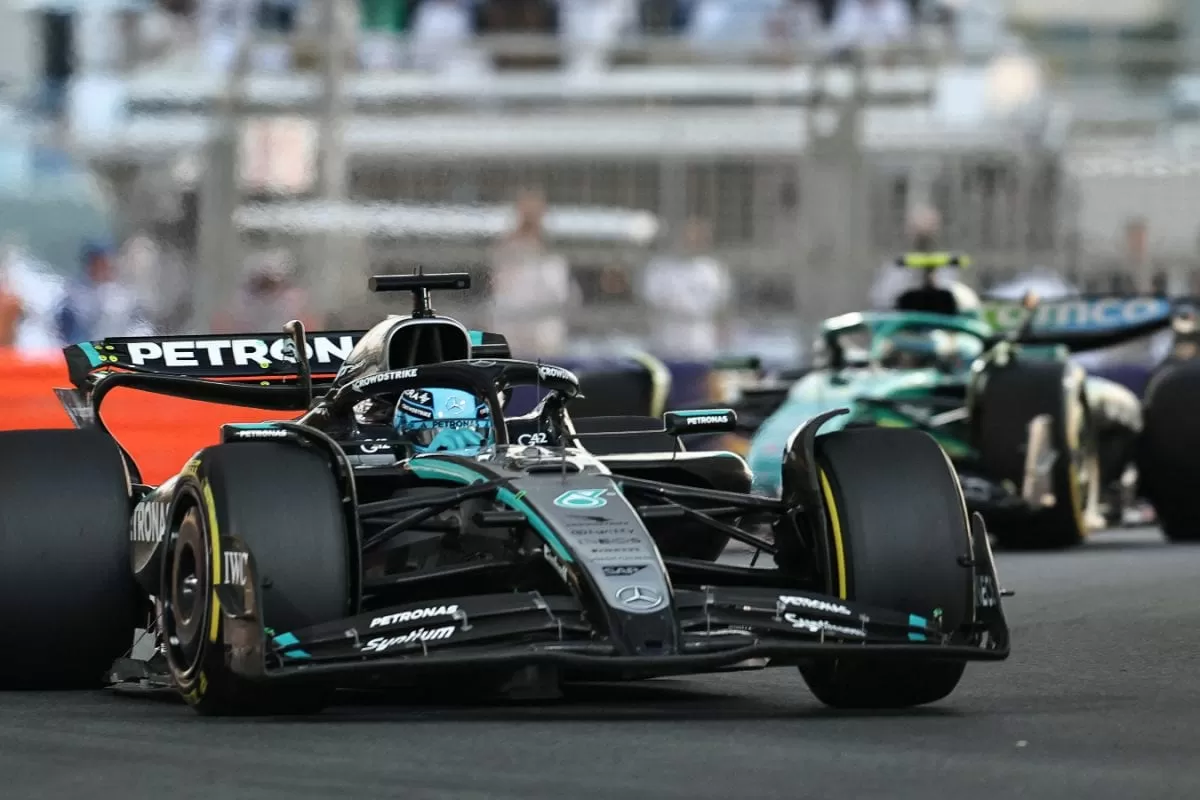
In a recent move by the FIA, Formula One’s governing body, the engine rules for the 2026 season have been amended. The new rule states that the compression ratios for both cold and hot states will be capped at 16:1. This decision has put top teams like Mercedes, McLaren, Williams, and Alpine under pressure to comply with the new regulations.
The FIA’s decision to amend the engine rules has been met with mixed reactions from the teams and fans alike. While some see it as a necessary step towards creating a more competitive and fair playing field, others are concerned about the impact it may have on the top teams.
The new rule will require teams to adjust their engine designs and make significant changes to their power units. This means that the top teams, who have been dominating the sport for years, will now have to work harder to maintain their dominance. This is a welcome change for the fans who have been yearning for more excitement and unpredictability in the races.
One of the major concerns for the top teams is the financial impact of this rule change. The cost of redesigning the engines and making them compliant with the new regulations will be a significant burden for the teams. This could potentially affect their performance on the track as they may have to cut back on other areas of development to accommodate the engine changes.
However, the FIA has assured the teams that they will provide financial support to help them with the cost of the engine changes. This is a positive step by the governing body and shows their commitment to creating a level playing field for all teams.
The new rule is also a step towards promoting sustainability in the sport. With the world focusing on reducing carbon emissions and promoting eco-friendly practices, it is only fitting that Formula One, being a global platform, takes steps towards a greener future. The new engine regulations will reduce carbon emissions and promote fuel efficiency, which is a win-win situation for both the sport and the environment.
The FIA’s decision to cap the compression ratios at 16:1 for both cold and hot states is a strategic move. It will not only make the races more competitive but also promote innovation and development in the sport. The teams will now have to come up with new and creative ways to make their engines more efficient and powerful within the limitations of the new regulations.
The pressure to comply with the new rules is not just on the top teams, but also on the engine manufacturers. They will have to work closely with the teams to develop engines that are compliant with the new regulations while also delivering the desired performance. This will require a collaborative effort from all parties involved, which will only benefit the sport in the long run.
The FIA’s decision has also been praised by the smaller teams who have been struggling to keep up with the top teams due to the significant financial disparity. The new regulations will give them a chance to bridge the gap and compete on a more level playing field. This will not only make the races more exciting but also attract more sponsors and fans to the sport.
In conclusion, the FIA’s decision to amend the engine rules for the 2026 season is a positive step towards creating a more competitive and sustainable Formula One. While it may put the top teams under pressure, it will also promote innovation, development, and fairness in the sport. The FIA has shown great foresight in making this decision, and it is a move that will benefit the sport in the long run. As fans, we can only look forward to more exciting and unpredictable races in the future.