
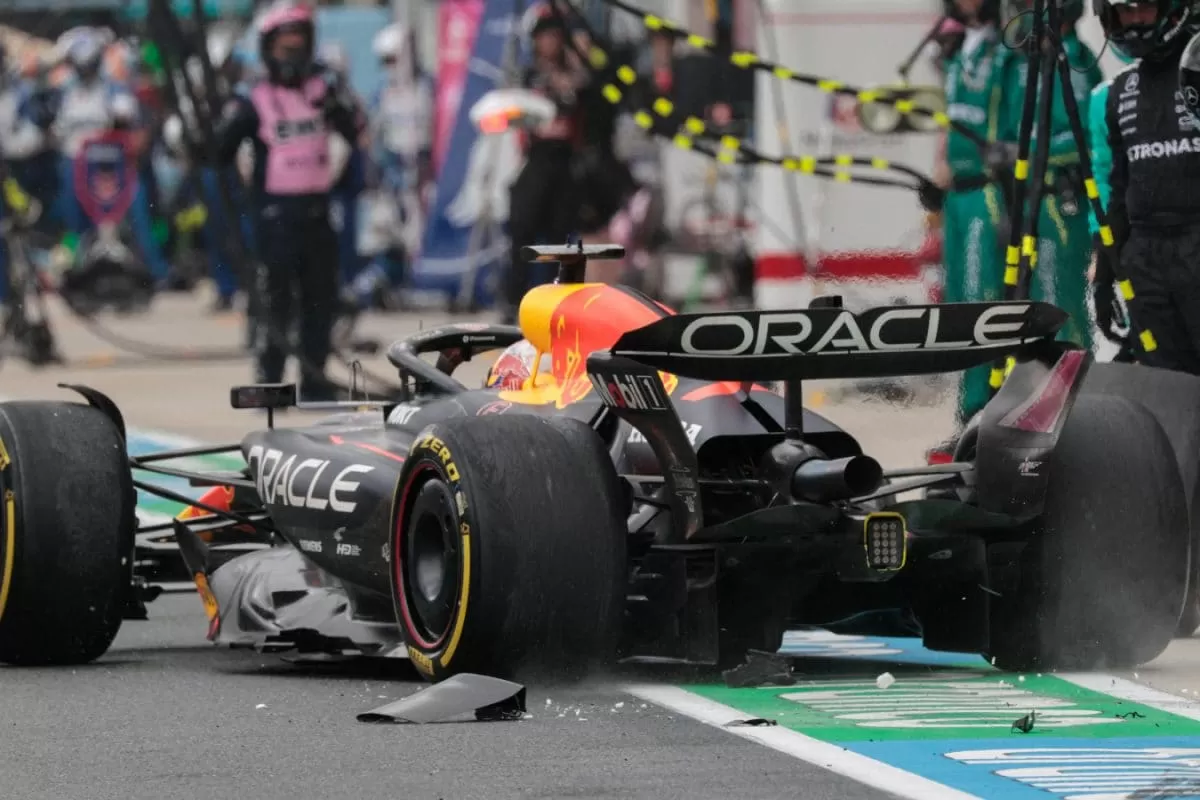
After the first round of testing, drivers expressed their disappointment due to the complexity that comes along with the new regulations aimed at sustainability. The world of motorsports is no stranger to change, but the new regulations introduced by the FIA (Fédération Internationale de l’Automobile) have left many drivers scratching their heads. However, amidst the initial disappointment, there is hope for a greener and more sustainable future in motorsports.
The FIA, the governing body of motorsports, has always been at the forefront of promoting sustainability and reducing the carbon footprint of the sport. In recent years, they have taken significant steps towards this goal by introducing new regulations aimed at reducing emissions and promoting sustainable practices. These regulations have been met with mixed reactions from drivers, teams, and fans alike.
The first round of testing for the new regulations took place at the famous Circuit de Barcelona-Catalunya in Spain. It was the first opportunity for teams and drivers to test their cars and get a feel for the changes that have been implemented. However, it did not go as smoothly as many had hoped. The new regulations have introduced a host of changes, from the type of fuel used to the aerodynamics of the cars, making it a challenging adjustment for everyone involved.
Many drivers expressed their disappointment and frustration with the new regulations, citing the complexity of the changes as the main issue. They felt that the new rules had made the cars more difficult to handle, affecting their performance on the track. Some even went as far as to say that it takes away from the thrill and excitement of racing.
However, it is essential to understand that these changes are not just for the sake of change. The FIA has a clear vision of promoting sustainability in motorsports, and these regulations are a step towards achieving that goal. The use of sustainable fuels, such as biofuels, will significantly reduce the carbon footprint of the sport. The aerodynamic changes will also lead to more efficient cars, further reducing emissions.
Moreover, these changes are not just limited to the cars on the track. The FIA has also introduced regulations for the teams and their operations. From using sustainable materials to implementing eco-friendly practices at race events, the FIA is leaving no stone unturned in its quest for sustainability. This holistic approach is commendable and sets an example for other sports to follow.
It is also worth mentioning that these changes are not set in stone. The FIA has stated that they will continue to monitor and evaluate the impact of the new regulations and make necessary adjustments. This shows their commitment to finding a balance between sustainability and the excitement of racing. As drivers and teams get more accustomed to the changes, we can expect to see a more competitive and thrilling race season.
While the initial reactions may have been disappointing, it is crucial to look at the bigger picture. The FIA’s efforts towards sustainability are commendable, and we must support and encourage them in their endeavors. As motorsports fans, we have a responsibility to promote and support sustainable practices in the sport we love.
Furthermore, these new regulations also present an opportunity for innovation and advancement in the world of motorsports. With a focus on sustainable fuels, we can expect to see new technologies and advancements that will not only benefit the sport but also have a positive impact on the environment. This is a win-win situation for all involved.
In conclusion, the first round of testing for the new regulations may have been met with disappointment, but it is essential to look at the bigger picture. The FIA’s efforts towards sustainability are a step in the right direction, and we must support and encourage them. These changes may be complex, but they are necessary for a greener and more sustainable future in motorsports. Let us embrace these changes and look forward to an exciting and sustainable race season ahead.