
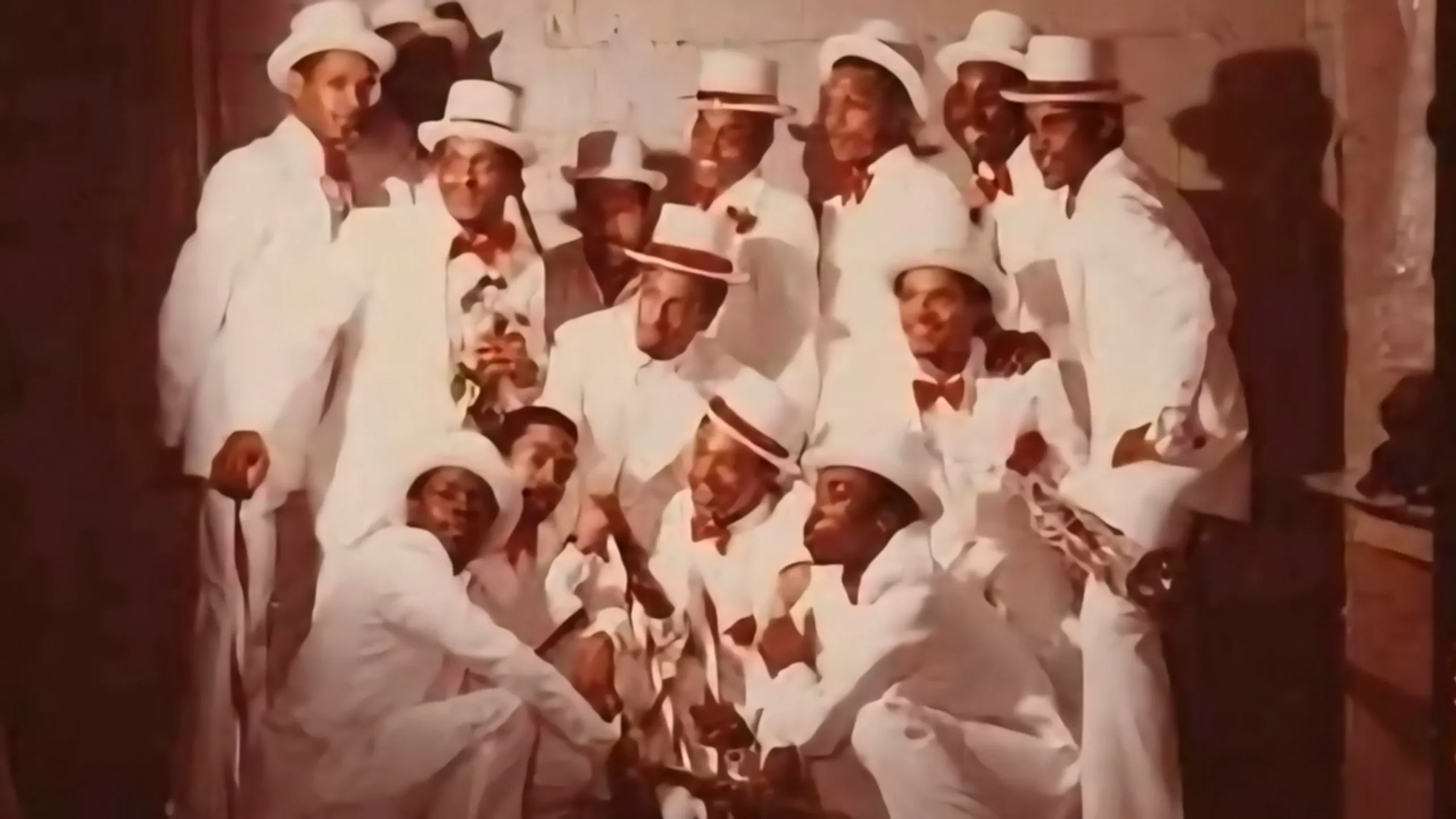
As we celebrate Black History Month, it is important to recognize and honor the rich cultural contributions of African Americans throughout history. And in the spirit of celebrating diversity and inclusivity, “Good Morning America” is shining a spotlight on Washington, D.C.’s homegrown go-go music, which has long been known as the city’s soundtrack.
For those who may not be familiar, go-go music is a unique blend of funk, R&B, and hip-hop, with a distinct percussion-driven beat that is impossible to resist. It originated in the 1970s in the nation’s capital and has since become a staple of D.C.’s music scene. But go-go is more than just a genre of music; it is a cultural phenomenon that has played a significant role in shaping the identity of the city and its people.
One of the pioneers of go-go music is the legendary Chuck Brown, also known as the “Godfather of Go-Go.” His hit song “Bustin’ Loose” became an instant classic and put go-go on the map. Brown’s music was a reflection of the vibrant and energetic spirit of D.C., and it quickly gained popularity among the city’s African American community. His legacy continues to live on, and his influence can be heard in the music of many go-go bands today.
But it’s not just about Chuck Brown. Go-go music has a rich history and a thriving present, with numerous bands and artists keeping the genre alive and evolving. One such band is Rare Essence, which has been a mainstay in the D.C. go-go scene since the 1970s. Their high-energy performances and infectious beats have earned them a loyal fan base and cemented their place in the city’s music history.
Another notable figure in the go-go world is DJ Kool, who rose to fame in the 1990s with his hit song “Let Me Clear My Throat.” He has been a driving force in keeping go-go music relevant and has collaborated with mainstream artists such as Wyclef Jean and Biz Markie, bringing the genre to a wider audience.
But go-go music is not just about the big names; it’s about the community and the people who have embraced it as a part of their identity. The go-go scene in D.C. is a tight-knit community, with fans and musicians coming together to celebrate the music and the culture. It’s a place where people of all ages, races, and backgrounds can come together and dance to the infectious beats of go-go.
And while go-go music has faced its share of challenges and setbacks, it has remained a symbol of resilience and perseverance. In the 1980s, the city’s government tried to ban go-go music, citing concerns over violence and noise complaints. But the community fought back, and go-go prevailed, becoming even more ingrained in the fabric of D.C.’s culture.
Today, go-go music continues to thrive, with new artists and bands emerging and pushing the boundaries of the genre. And with the rise of social media and streaming platforms, go-go is reaching a global audience, introducing the world to the unique sound of D.C.
So as we celebrate Black History Month, let us not forget the significant contributions of go-go music and the impact it has had on the city of Washington, D.C. It is a testament to the resilience and creativity of the African American community and a reminder of the power of music to bring people together.
In the words of Chuck Brown, “If you’re not feeling good, you must be dead.” And with go-go music, there’s no way you can’t feel good. So let’s keep the beat going and celebrate the vibrant and soulful sound of D.C.’s homegrown go-go music. Happy Black History Month!