
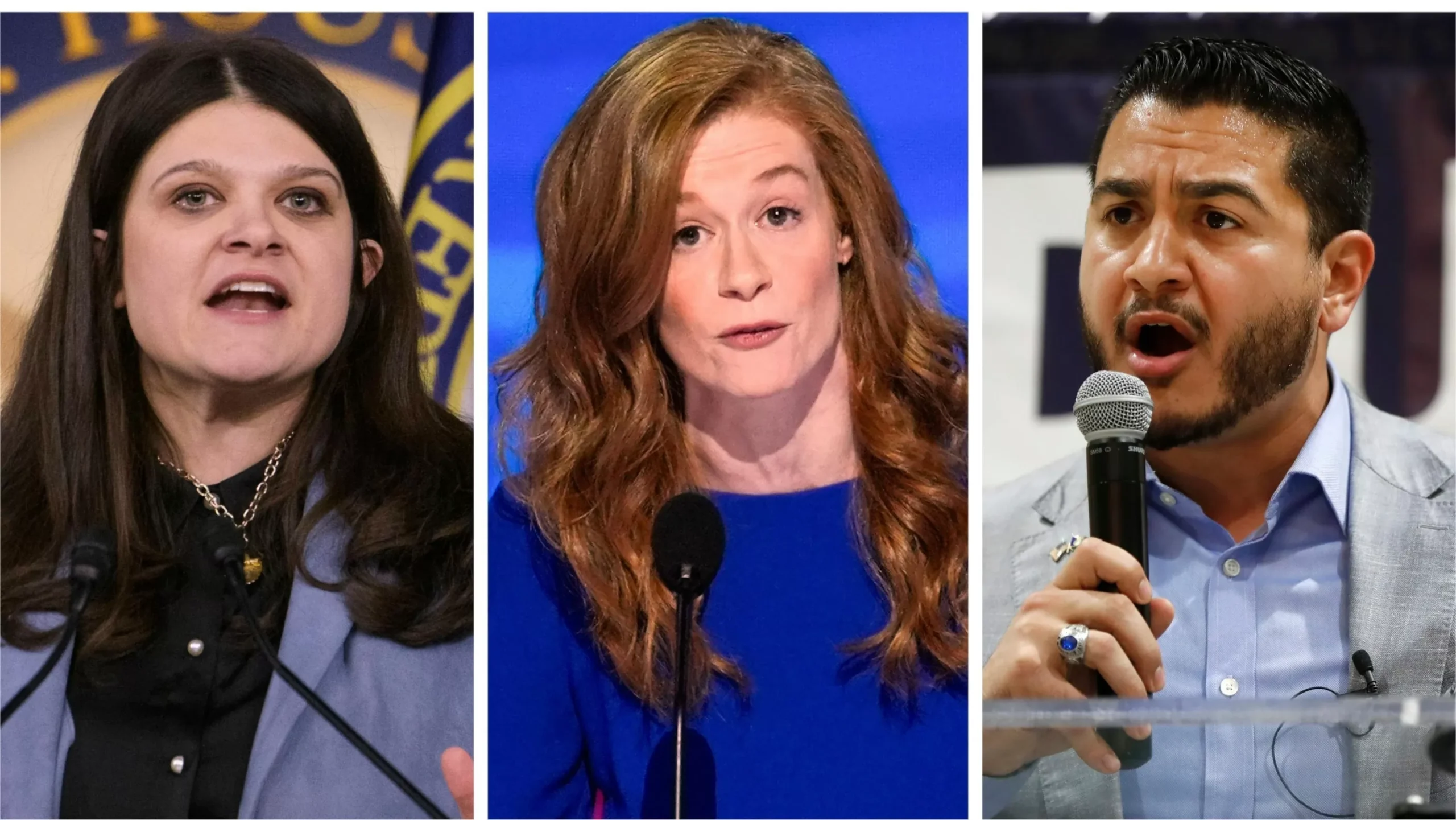
As the 2026 elections approach, voters across the country are expressing their concerns about the rising cost of living. From groceries and housing to healthcare and education, the cost of essential goods and services has been steadily increasing, putting a strain on the wallets of hardworking Americans. It’s no surprise that affordability has become a leading issue in the campaigns of candidates vying for various political positions.
The cost of living has been a long-standing issue for many Americans, but it has become even more pressing in recent years. With the COVID-19 pandemic wreaking havoc on the economy, many families have been struggling to make ends meet. The rising cost of goods and services, coupled with job losses and pay cuts, has made it difficult for people to keep up with their expenses. As a result, voters are looking to their elected officials for solutions to ease their financial burden.
One of the main concerns for voters is the cost of housing. In many cities, the price of rent and home ownership has skyrocketed, making it challenging for individuals and families to find affordable housing. This has led to overcrowding, homelessness, and displacement, as people are forced to move to cheaper areas or live in substandard conditions. The lack of affordable housing options has become a significant issue for voters, and they are looking to their leaders to address this crisis.
Another major concern for voters is the cost of healthcare. With the rising cost of insurance premiums, deductibles, and prescription drugs, many Americans are struggling to afford necessary medical care. This is especially true for those with pre-existing conditions or chronic illnesses, who often face exorbitant costs for their treatments. As healthcare costs continue to rise, voters are calling for solutions that will make healthcare more accessible and affordable for all.
Education is also a top concern for voters when it comes to affordability. The rising cost of tuition and student loans has made it difficult for many young people to pursue higher education. This has led to a generation burdened with debt and struggling to make a living wage. Voters are looking for candidates who will address the issue of student loan debt and make higher education more affordable for all.
The cost of living also affects the daily expenses of individuals and families. From groceries and gas to utilities and childcare, the rising prices of these essential goods and services have put a strain on household budgets. Many voters are feeling the pinch and are looking for leaders who will take action to ease their financial burden.
In response to these concerns, candidates in the 2026 campaigns are making affordability a top priority. They are proposing various solutions, such as increasing the minimum wage, implementing rent control measures, and expanding access to affordable healthcare and education. These proposals have resonated with voters, who are looking for tangible solutions to their financial struggles.
Moreover, voters are also looking for candidates who will address the root causes of the rising cost of living. This includes tackling issues such as income inequality, corporate greed, and lack of affordable housing and healthcare options. By addressing these underlying issues, candidates can offer long-term solutions that will benefit all Americans.
It is heartening to see that affordability has become a leading issue in the 2026 campaigns. It shows that politicians are listening to the concerns of their constituents and are taking action to address them. As voters, it is our responsibility to carefully consider the proposals of each candidate and choose those who have a concrete plan to make our lives more affordable.
In conclusion, the rising cost of living has become a pressing issue for voters, and it is no surprise that it has taken center stage in the 2026 campaigns. From housing and healthcare to education and daily expenses, the cost of essential goods and services has put a strain on the wallets of hardworking Americans. However, with candidates prioritizing affordability and proposing solutions to address it, there is hope for a more affordable future for all. As we head to the polls, let us remember that our votes have the power to bring about positive change and make our lives more affordable.