
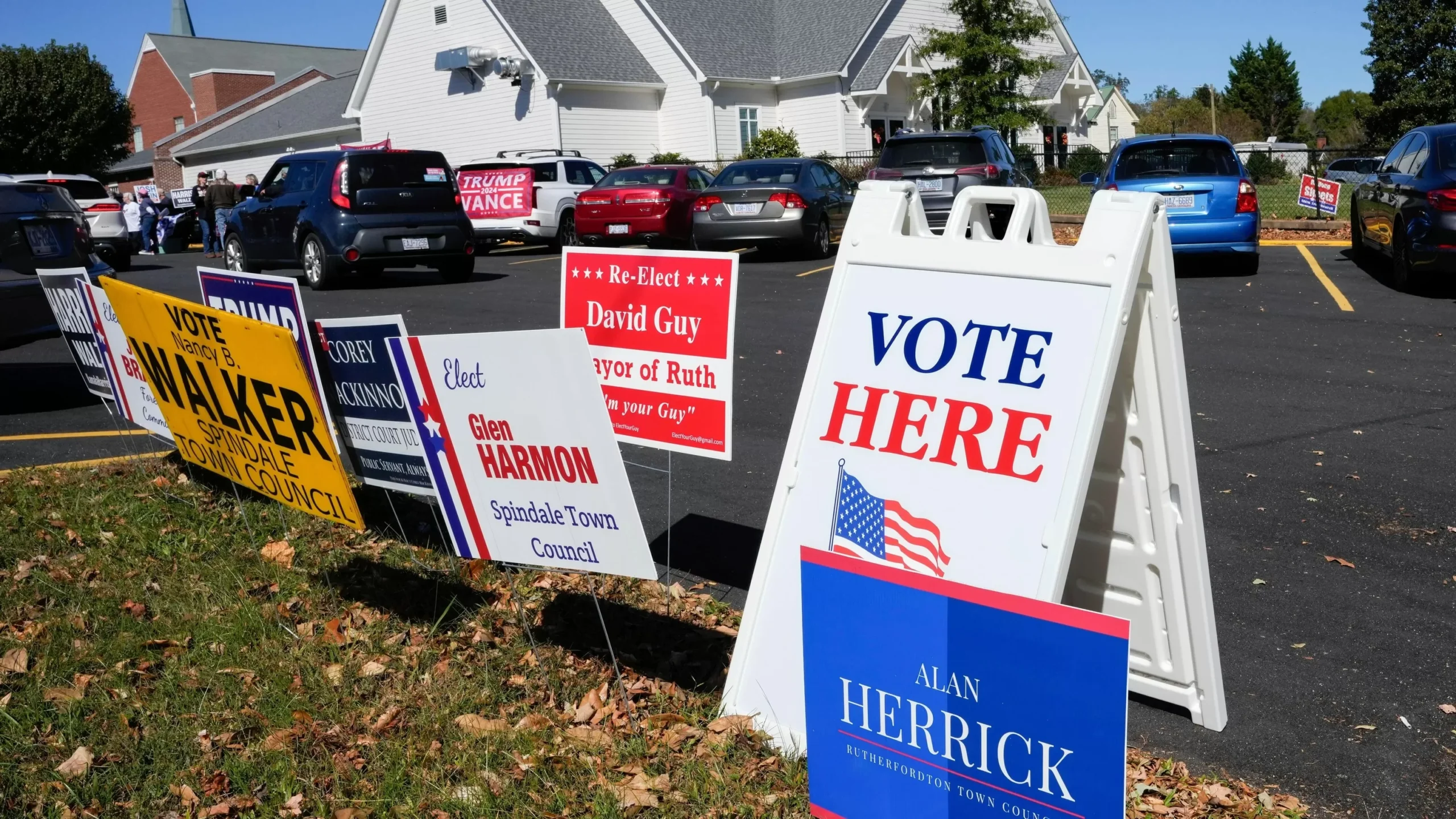
A federal judge in North Carolina has recently made a decision that has sparked controversy and disappointment among students and faculty at three public universities in the state. The judge has refused to assist in the efforts to open early voting sites at these universities, a move that has been met with strong opposition.
The three universities in question are North Carolina State University, the University of North Carolina at Chapel Hill, and Elizabeth City State University. These institutions have a combined student population of over 100,000, making them a significant voting bloc in the upcoming elections. However, their access to early voting has been limited due to the judge’s decision.
The request to open early voting sites at these universities was made by a group of students and faculty members who believe that it is their right to have convenient access to voting. They argued that the lack of early voting sites on campus would make it difficult for students to exercise their right to vote, especially those who live on campus and do not have transportation to off-campus voting locations.
Unfortunately, their pleas were denied by the federal judge, who stated that it was not within his jurisdiction to intervene in this matter. This decision has been met with disappointment and frustration, as it goes against the principles of democracy and equal access to voting.
The students and faculty members who have been fighting for early voting sites on campus are not giving up. They have vowed to continue their efforts and have already filed an appeal to the decision. They believe that every eligible voter should have the opportunity to cast their vote without any barriers or obstacles.
The decision of the federal judge has also been met with criticism from various organizations and individuals who believe that it is a deliberate attempt to suppress the votes of young and minority voters. It is no secret that college campuses tend to lean towards more liberal views, and limiting their access to early voting could potentially sway the outcome of the elections.
Furthermore, the decision also goes against the efforts of many states to increase access to early voting in order to encourage more people to participate in the democratic process. North Carolina has been making strides in this direction, with the state legislature passing a law that allows for early voting at various locations, including college campuses. However, this decision by the federal judge has hindered these efforts and has caused a setback in promoting voter turnout.
In response to the judge’s decision, the three universities have released statements expressing their disappointment and reaffirming their commitment to ensuring that their students have the opportunity to exercise their right to vote. They have also stated that they will continue to work towards finding alternative solutions to make early voting accessible to their students.
It is disheartening to see that in this day and age, when we should be promoting and encouraging voter participation, there are still obstacles being placed in the way of eligible voters. The decision of the federal judge has only strengthened the resolve of the students and faculty members at these universities to fight for their right to vote.
In conclusion, the refusal of the federal judge to assist in opening early voting sites at three public universities in North Carolina has caused disappointment and frustration among students and faculty members. However, their determination to overcome this setback and ensure that every eligible voter has the opportunity to cast their vote remains unwavering. Let us hope that their efforts will be successful, and that in the future, all eligible voters will have equal and convenient access to exercise their right to vote.