
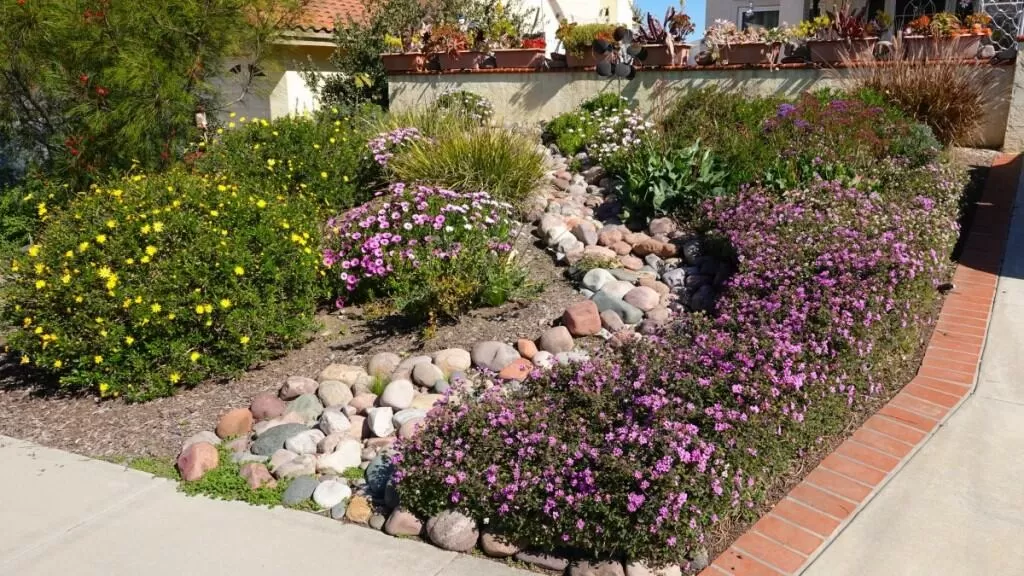
Creating a beautiful garden in your outdoor space can be a rewarding and fulfilling experience. Not only does it add aesthetic value to your home, but it also provides a peaceful and relaxing environment for you to enjoy. However, creating a garden without disrupting the natural landscape requires careful planning and consideration. Whether you live in a desert climate like Tucson, AZ, a city with existing trees and shade like Seattle, WA, or a place like Atlanta, GA, where supporting local pollinators is important, using native plants is the key to building a garden that harmoniously coexists with nature.
Native plants are those that have evolved and adapted to a specific region over thousands of years. They are well-suited to the local climate, soil, and wildlife, making them low-maintenance and resilient. By incorporating native plants into your garden, you are not only preserving the natural landscape but also creating a sustainable and eco-friendly space.
Here are some tips on how to build a garden without disrupting nature, no matter where you live:
1. Research and choose native plants
The first step in building a garden that supports the local ecosystem is to research and choose native plants. Take some time to learn about the plants that are native to your region and their specific growing requirements. This will help you select the right plants for your garden and ensure their success. You can also consult with a local nursery or a gardening expert for advice on which native plants to choose.
2. Consider the soil and climate
Native plants are adapted to the soil and climate of their region, so it’s important to consider these factors when building your garden. For example, if you live in a desert climate like Tucson, AZ, you’ll want to choose plants that can withstand extreme heat and drought. On the other hand, if you live in a place like Seattle, WA, where it rains frequently, you’ll want to select plants that can thrive in moist soil.
3. Work with the existing landscape
When building a garden, it’s important to work with the existing landscape rather than against it. This means incorporating existing trees, rocks, and other natural elements into your design. Not only does this help preserve the natural landscape, but it also adds character and depth to your garden.
4. Create a diverse ecosystem
A diverse ecosystem is essential for a healthy and thriving garden. By incorporating a variety of native plants, you can attract a diverse range of wildlife, including birds, butterflies, and bees. These pollinators play a crucial role in the ecosystem and help maintain the balance of nature. Plus, having a garden full of colorful flowers and buzzing bees is a sight to behold.
5. Use natural methods for pest control
One of the biggest challenges of gardening is dealing with pests. However, using chemical pesticides can harm the environment and disrupt the natural balance. Instead, opt for natural methods of pest control, such as companion planting, using natural predators, and handpicking pests. This will help keep your garden healthy and safe for both plants and wildlife.
6. Practice sustainable gardening
Sustainable gardening is all about reducing waste and conserving resources. This can be achieved by using organic fertilizers, composting, and conserving water. By practicing sustainable gardening, you are not only helping the environment but also creating a healthier and more resilient garden.
In conclusion, building a garden without disrupting nature is possible, no matter where you live. By choosing native plants, working with the existing landscape, and creating a diverse ecosystem, you can create a beautiful and sustainable garden that coexists harmoniously with nature. So, whether you’re in Tucson, AZ, Seattle, WA, or Atlanta, GA, let’s do our part in preserving the natural landscape and building a greener future, one garden at a time.