
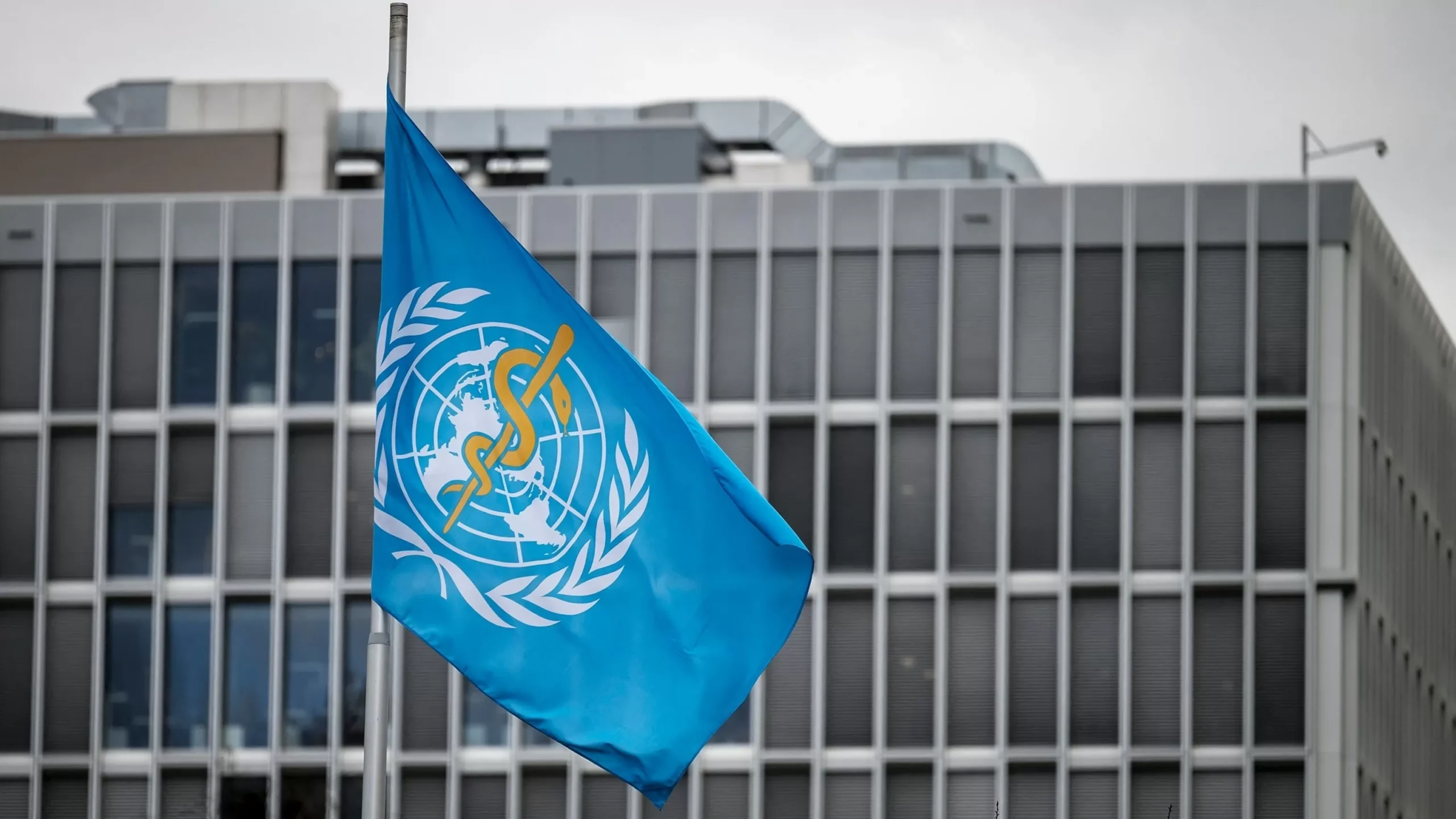
The United States has officially completed its withdrawal from the World Health Organization (WHO), as announced by the Department of Health and Human Services (HHS) and the Department of State on Thursday. This decision marks a significant shift in the country’s relationship with the global health organization, and has sparked both praise and criticism from various groups.
The withdrawal process began in July 2020, when President Donald Trump announced his intention to leave the WHO, citing the organization’s handling of the COVID-19 pandemic and its alleged bias towards China. This move was met with widespread condemnation from health experts and world leaders, who argued that the WHO plays a crucial role in coordinating global health efforts and responding to pandemics.
Despite the backlash, the Trump administration continued with its plans to withdraw from the WHO, and on Thursday, the process was officially completed. In a joint statement, the HHS and the Department of State stated that the withdrawal was in the best interest of the American people and that the U.S. will now redirect its resources towards other global health initiatives.
This decision has been met with mixed reactions. On one hand, there are those who support the withdrawal, arguing that the WHO has failed to effectively respond to the COVID-19 pandemic and has become too politicized. They believe that the U.S. can better protect its citizens by focusing on its own domestic health initiatives.
On the other hand, there are those who view the withdrawal as a dangerous and short-sighted move. They argue that the U.S. cannot effectively combat global health issues without the support and collaboration of the WHO and other international organizations. They also fear that the withdrawal will leave a void in global health leadership, which could have serious consequences for the world’s most vulnerable populations.
Despite the differing opinions, one thing is clear – the U.S. has officially withdrawn from the WHO. This decision has significant implications for the future of global health, and it remains to be seen how it will impact the fight against COVID-19 and other health crises.
However, instead of dwelling on the negative aspects of this decision, let us focus on the potential opportunities that lie ahead. The U.S. now has the chance to redefine its role in global health and take a more proactive approach in addressing health issues around the world.
With the resources that were previously allocated to the WHO, the U.S. can now invest in its own domestic health initiatives, such as improving healthcare infrastructure and addressing health disparities within the country. This could lead to a stronger and more resilient healthcare system, which will ultimately benefit the American people.
Moreover, the U.S. can also use its influence and resources to support and collaborate with other international organizations, such as the United Nations and the World Bank, in addressing global health issues. This will not only strengthen the country’s position as a global leader but also demonstrate its commitment to promoting health and well-being worldwide.
Furthermore, the withdrawal from the WHO could also serve as a wake-up call for the organization to address its shortcomings and become more transparent and accountable. This could lead to much-needed reforms within the WHO, making it a more effective and efficient organization in the long run.
In conclusion, while the U.S. withdrawal from the WHO may have sparked controversy and debate, it also presents an opportunity for the country to redefine its role in global health. By redirecting its resources and taking a more proactive approach, the U.S. can make a positive impact on both its own citizens and the world at large. Let us look towards the future with optimism and work towards a healthier and more equitable world for all.