
Creating a home that truly reflects your lifestyle and meets your practical needs doesn’t have to be a daunting task. Often, we get caught up in trying to replicate the latest design trends or mimic a picture-perfect home we saw online. However, designing a home that supports and enhances your daily routine should be the ultimate goal.
Your home is not just a place where you sleep and eat; it’s where you create memories, unwind, and spend quality time with your loved ones. So, it’s crucial to choose the right type of house that fits your lifestyle and caters to your daily activities. Here are five expert tips on creating a home that fits your lifestyle and promotes everyday living.
1. Consider your daily routine
The first step in creating a home that fits your lifestyle is to evaluate your daily routine. Take a moment to think about how you spend your weekdays and weekends. Do you have a busy schedule with long work hours, or do you prefer a slower pace? Are you someone who enjoys cooking, or are you always on the go and need quick meals? Understanding your routine will help you determine what kind of home design will work best for you.
For instance, if you have a hectic schedule, a low-maintenance home with minimalistic design elements may be ideal. On the other hand, if you love entertaining or cooking, a kitchen with ample counter space and an open layout would be more suitable. By considering your daily activities, you can design a home that blends seamlessly with your lifestyle.
2. Prioritize functionality and practicality
In today’s fast-paced world, functionality and practicality should be top priorities when designing a home. Your space should be designed to facilitate your daily needs and make your life easier. It’s essential to strike a balance between aesthetics and functionality to create a home that is both beautiful and practical.
Incorporate plenty of storage space, functional furniture, and multi-purpose rooms to make your daily tasks more manageable. For example, a multipurpose dining table that can double as a workspace or a storage ottoman in the living room will add functionality to your home.
3. Personalize your space
Your home should be a reflection of your personality and interests. Personalizing your space will make it feel more like home and create a comfortable and inviting atmosphere. Add some personal touches such as family photos, artwork, or souvenirs from your travels to make your space unique.
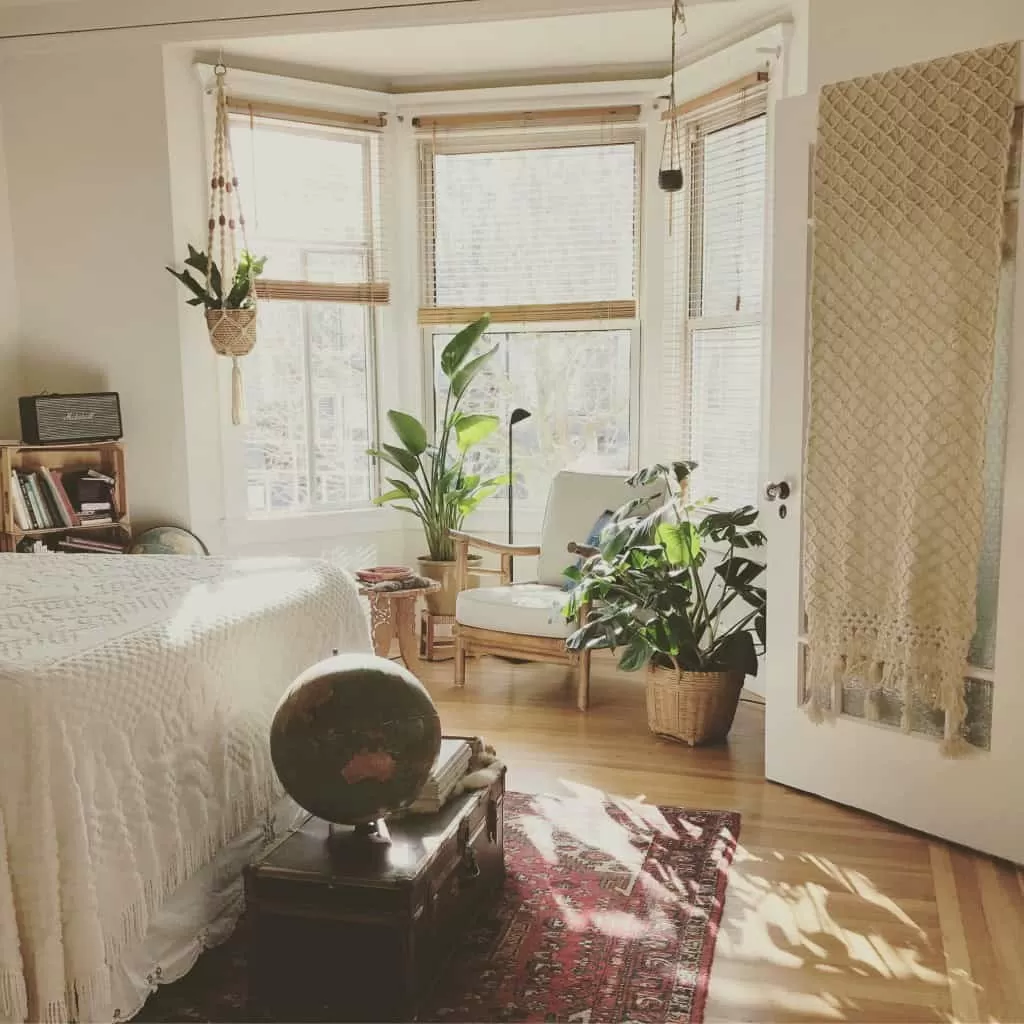
You can also incorporate your hobbies and interests into your home design. For instance, if you enjoy reading, create a cozy reading nook with a comfortable chair and a bookshelf. If you love plants, bring in some greenery to add life to your space. These personalized elements will make your home a haven that truly reflects your lifestyle.
4. Incorporate natural light
Natural light not only makes a space look brighter and more inviting but also has numerous health benefits. It can improve your mood, productivity, and overall well-being. When designing your home, make sure to incorporate natural light as much as possible.
Install large windows or skylights to bring in plenty of sunlight during the day. You can also consider light-colored walls and furniture to reflect light and make your space feel more open and airy. If your home doesn’t have much natural light, you can use strategic lighting solutions such as lamps and accent lights to create a similar effect.
5. Create a space for relaxation
With the hectic pace of modern life, it’s essential to have a designated space where you can relax and recharge. This could be a comfortable reading corner, a meditation space, or a cozy outdoor area. Having a relaxation spot in your home will help you unwind after a busy day and promote a healthy work-life balance.
Make sure to design this space with calming and soothing elements such as soft lighting, comfortable seating, and natural textures. This will create a peaceful atmosphere where you can escape the stresses of everyday life.
In conclusion, creating a home that fits your lifestyle requires thoughtful planning and consideration of your daily routine. By prioritizing functionality, personalization, and relaxation, you can design a space that not only meets your practical needs but also promotes everyday living. Remember, a home that truly reflects your lifestyle will bring you joy and comfort for years to come.