
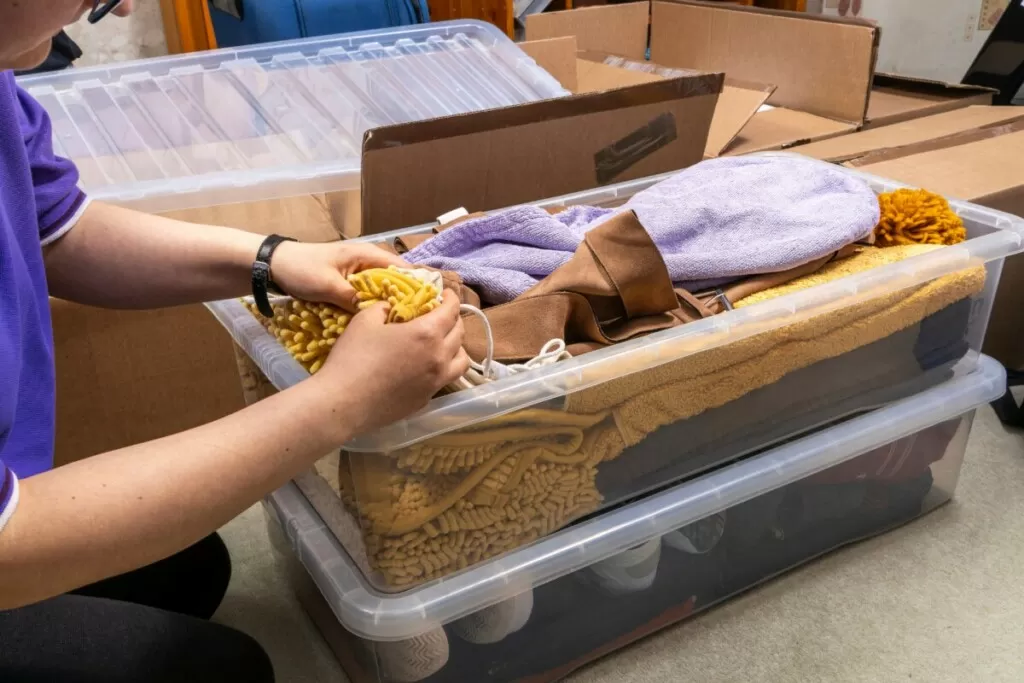
Moving to a new house can be an exciting and daunting experience. You are about to embark on a new chapter in your life, and there is a lot of work to be done. One of the biggest challenges of moving is figuring out what to pack first. With so many rooms, boxes, and belongings, it can be overwhelming to know where to start. But don’t worry, with a little bit of organization and planning, you can make your move a stress-free one. Here’s a guide to help you figure out what to pack first when moving house.
1. Start with the Essentials
The first items you should pack are the ones you use on a daily basis. These are your essentials – toiletries, medications, and important documents. Make sure to keep them separate from the rest of your belongings and pack them in a clearly labeled box. This will ensure that you have everything you need within easy reach during and after the move.
2. Pack Out of Season Items
Next, pack items that you won’t be needing in the next few weeks. This includes out of season clothes, holiday decorations, and sports equipment. These items can be packed in advance and stored away until you settle into your new home. This will also help declutter your current space and make it easier to pack the items you use daily.
3. Non-Essential Items
As you continue to pack, focus on non-essential items such as books, DVDs, and decorations. These items can be packed in advance and will not be missed until you are settled into your new home. Make sure to label the boxes clearly, so you know where to find them when you need them.
4. Kitchen Items
The kitchen is one of the most time-consuming rooms to pack. Start by packing the items you use less frequently, such as special occasion dishes, cookbooks, and small appliances. As you get closer to the move, pack the everyday items such as plates, cups, and utensils. Keep a few essential kitchen items out until the last day, so you can still cook and eat at home.
5. Furniture
When it comes to furniture, start by disassembling any large pieces that will not be needed until after the move. This includes bed frames, dressers, and tables. Make sure to pack all the hardware and keep it in a clearly labeled bag. Then, focus on the furniture you use less frequently, such as bookshelves and accent chairs.
6. Electronics
Electronic items can be tricky to pack, so it’s best to start early. Begin by unplugging and packing any electronics you don’t use daily, such as printers and gaming consoles. Make sure to label all the cords and keep them together in a labeled bag. As you get closer to the move, pack the items you use more frequently, such as TVs and laptops.
7. Clothes and Linens
Clothes and linens are some of the last items you should pack. Start by packing off-season clothes and linens, such as winter coats and extra blankets. Then, focus on the clothes you won’t be needing until after the move, such as formal wear or special occasion outfits. Keep a few essential items out until the last day, so you have enough clean clothes to wear during the move.
8. Make a Plan for Your Pets
Moving can be stressful for your furry friends, so it’s important to have a plan for them. Make sure to pack their essentials, such as food, water bowls, and toys, in a separate box that will be easily accessible during the move. If possible, have a friend or family member take care of your pets on moving day, so they are not in the way or get scared during the process.
9. Take Care of Plants
If you have houseplants, make sure to take care of them before and during the move. Pack them in a box with air holes and label it as fragile. If you are moving long-distance, it might be best to give your plants to a friend or donate them to a local organization.
10. Leave the Cleaning Supplies for Last
Once everything is packed, you can focus on cleaning your current space. Leave the cleaning supplies for last, as you might need them until the very end. Make sure to have all the necessary cleaning products and tools on hand, so you can give your old home a thorough clean before you move out.
Moving to a new house can be a stressful and