
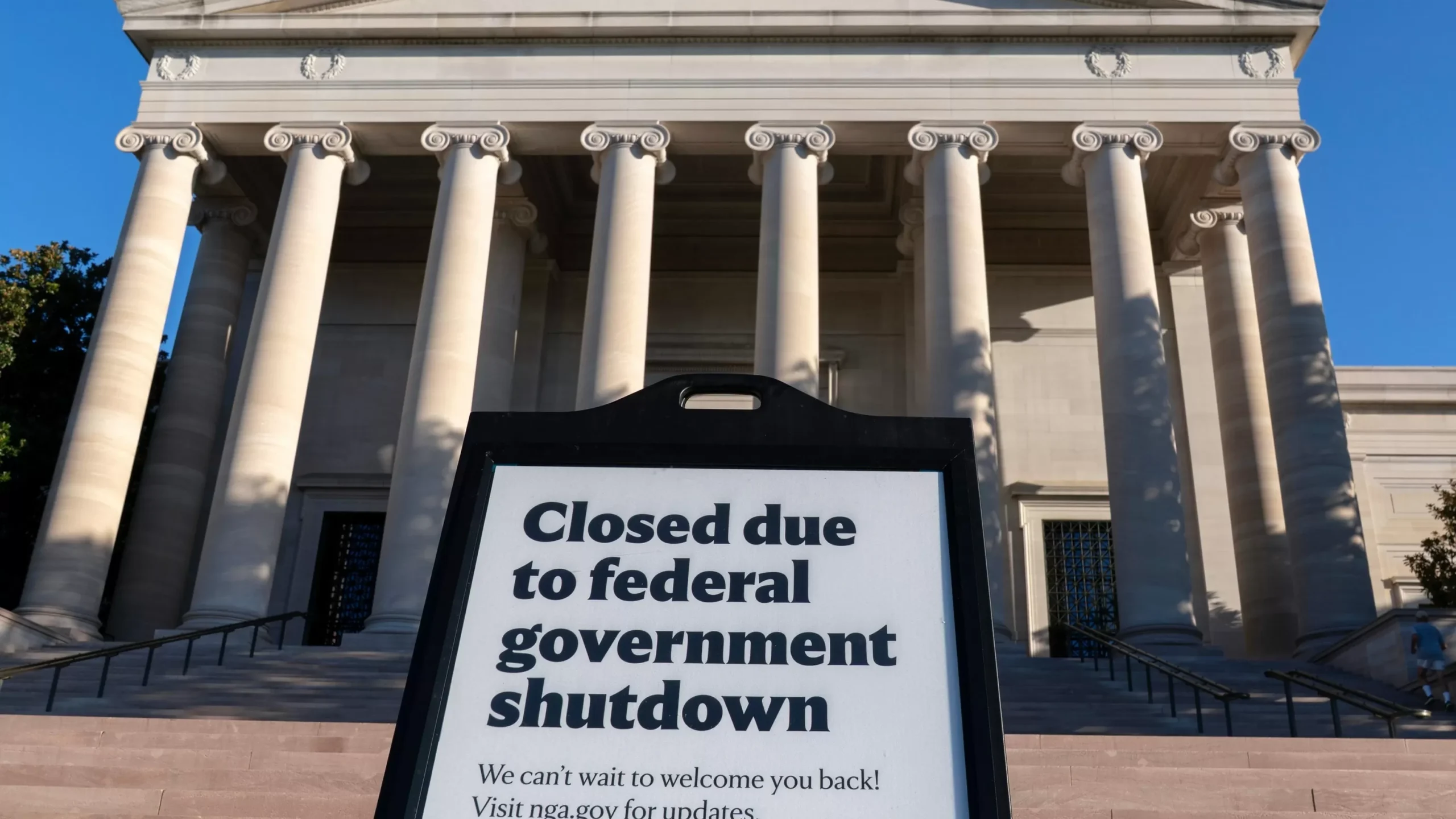
The United States has finally reached a turning point in its history as the longest government shutdown in the country’s history has come to an end. After 35 days of political deadlock and uncertainty, the government has reopened and federal employees can finally return to work. While this news may bring a sense of relief and hope, the reality is that getting everything back up and running won’t happen overnight.
The government shutdown began on December 22, 2018, as a result of a disagreement between President Donald Trump and Congress over funding for a border wall. As a result, hundreds of thousands of federal employees were either furloughed or working without pay for over a month. The effects of the shutdown were felt across the country, from national parks being closed to delays in tax refunds and the suspension of vital government services.
However, with the passing of a stopgap spending bill, the government has been reopened and employees can return to work. This is undoubtedly good news, but it is important to remember that the effects of the shutdown will not simply disappear overnight. It will take time for the government to fully recover from the damage caused by the 35-day stalemate.
One of the immediate concerns is the well-being of federal employees who have been affected by the shutdown. Many have faced financial struggles and uncertainty about when they will receive back pay. As they return to work, it is important for the government to provide support and resources to help them get back on their feet. Fortunately, some companies and organizations have stepped up to offer assistance to those in need, showing the resilience and compassion of the American people.
Another major challenge will be the backlog of work that has accumulated during the shutdown. As federal agencies and departments resume their operations, they will have to deal with a significant amount of work that was put on hold during the shutdown. This may lead to delays and longer processing times for various services. It will take time for things to get back to normal, and patience will be key during this transition period.
In addition to the backlog of work, there are also concerns about the long-term effects of the shutdown on the economy. The shutdown has already cost the country billions of dollars, and it may take some time for the economy to fully recover. Small businesses, in particular, have felt the impact of the shutdown and may need time to bounce back. It is crucial for the government to work towards stabilizing the economy and helping businesses and individuals affected by the shutdown.
Furthermore, the reopening of the government does not mean an end to the ongoing political divide and the issue of border security. The stopgap spending bill only funds the government until February 15, leaving room for another potential shutdown if an agreement is not reached. This highlights the need for effective communication and compromise in order to prevent future government shutdowns.
Despite the challenges and uncertainties, there is a sense of relief that the government is back up and running. It is a testament to the resilience and determination of the American people who have stood strong throughout this trying time. As we move forward, it is important to learn from this experience and work towards finding common ground and solutions to prevent future shutdowns.
In conclusion, the end of the longest government shutdown in U.S. history is a step in the right direction, but we must remember that the recovery process will not be immediate. It will take time for the government to fully resume its operations and for the economy to regain its stability. But with patience, cooperation, and the strong spirit of the American people, we can overcome the challenges and emerge stronger as a nation. Let us use this experience as an opportunity to come together and work towards a better future for all.