
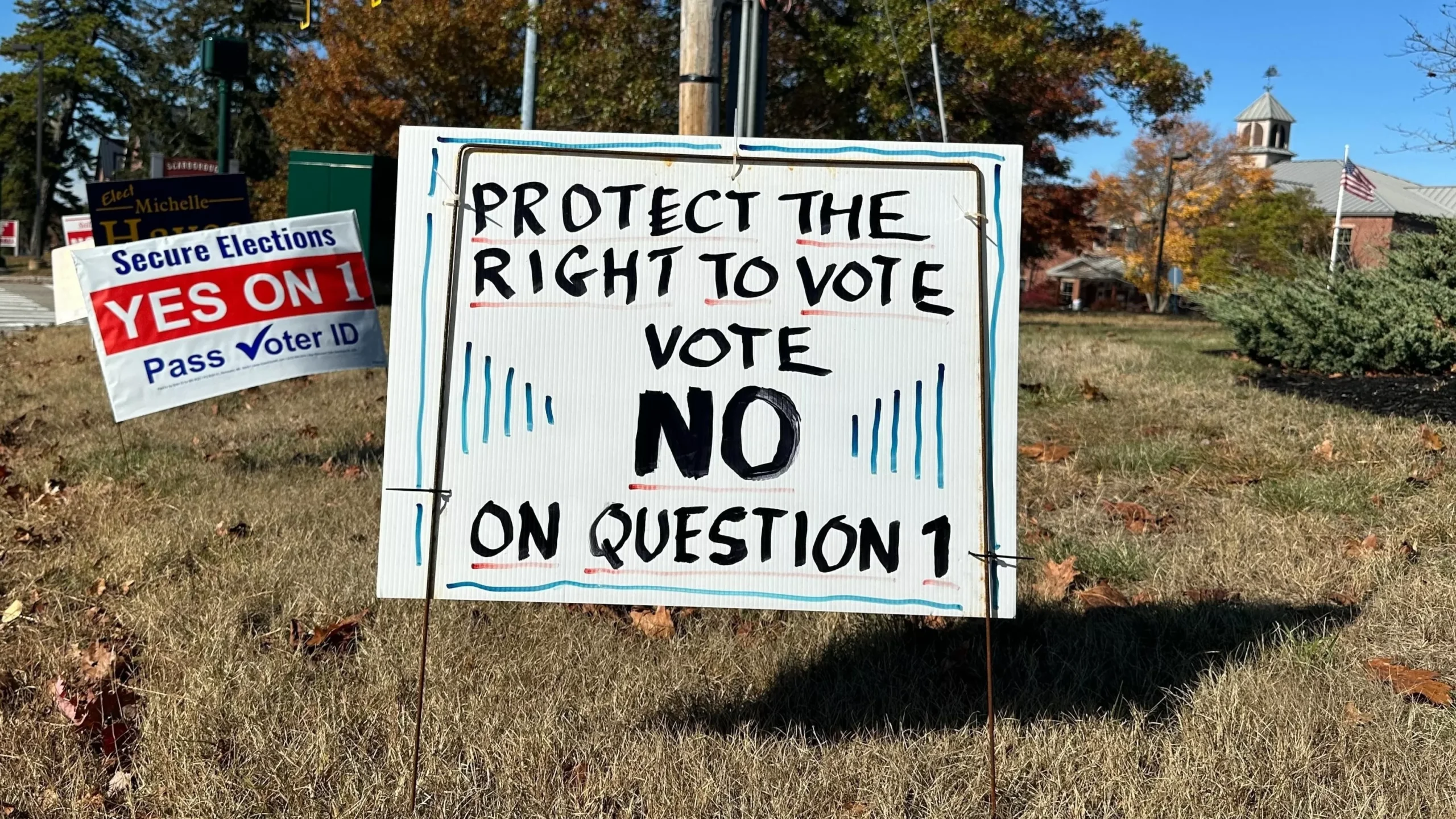
As the 2020 United States presidential election approaches, voters in Maine and Texas are faced with a crucial decision – whether to enact new Republican-backed measures that supporters claim will safeguard elections, or to reject them amid concerns that they are designed to make voting more difficult.
In Maine, voters will decide on Question 1, which proposes to amend the state’s constitution to eliminate the practice of allowing voters to register and cast their ballots on Election Day. This practice, known as same-day voter registration, has been in place since 1973 and has been praised for its ability to increase voter turnout and accessibility to the electoral process.
However, supporters of Question 1 argue that same-day registration makes it difficult for election officials to verify the eligibility of voters and could leave the door open for voter fraud. They believe that eliminating this practice will help safeguard the integrity of elections and ensure that only eligible voters are able to participate.
On the other hand, opponents of the measure point out that there is no evidence of widespread voter fraud in Maine and that the proposed amendment would disproportionately affect marginalized communities, such as low-income and minority voters, who may face challenges in registering and casting their ballots before Election Day. They argue that limiting access to the polls goes against the very foundation of democracy and could disenfranchise thousands of eligible voters.
Meanwhile, in Texas, voters will decide on Proposition 6, which seeks to amend the state’s constitution to require voters to provide proof of identity, such as a driver’s license or passport, when casting their ballots. This comes after years of legal battles over the state’s strict voter identification laws, which have been criticized for targeting minority and low-income voters who are less likely to possess the required forms of identification.
Proponents of Proposition 6 argue that it will help prevent voter fraud and ensure that only eligible voters are able to participate. They also claim that it will make the electoral process more fair and transparent.
However, opponents of the measure argue that requiring voters to present specific forms of identification may disenfranchise eligible voters who may not possess the necessary documents, such as senior citizens, low-income individuals, and minorities. They also point out that there have been very few cases of voter fraud in Texas and that the measure is unnecessary and could potentially lead to voter suppression.
The debates surrounding these two measures highlight the ongoing battle over voting rights and access to the polls in the United States. While both sides claim to have the best interests of democracy at heart, there is no denying that these measures could have a significant impact on the electoral process and the ability of citizens to exercise their right to vote.
It is crucial for voters in Maine and Texas to carefully consider the implications of these measures before casting their ballots. While safeguarding the integrity of elections is of utmost importance, it should not come at the cost of limiting access to the polls and potentially disenfranchising eligible voters.
It is also important to note that these measures are not the only solutions to addressing concerns over election security. Alternative measures, such as implementing stricter penalties for voter fraud and enhancing cybersecurity measures, could be explored without limiting access to the polls.
Ultimately, it is up to the voters to decide whether these measures are necessary and beneficial to the electoral process. But it is important to approach this decision with critical thinking and to consider the potential consequences for both the integrity of elections and the accessibility of the voting process.
In the end, the goal should be to create a fair and transparent electoral system that encourages and enables all eligible citizens to exercise their right to vote. Let us hope that the voters in Maine and Texas make an informed and positive decision for the future of democracy.