
Open Floor Plan vs Closed: The Key Differences Explained
When it comes to home design, there are many factors to consider. One important aspect is the floor plan – the layout of your home’s interior. The floor plan sets the tone for how your space will be used and how you’ll interact with your home. There are two main types of floor plans: open and closed. Each has its own unique benefits and drawbacks, so it’s important to understand the key differences in order to make the best decision for your lifestyle and home goals.
What is an Open Floor Plan?
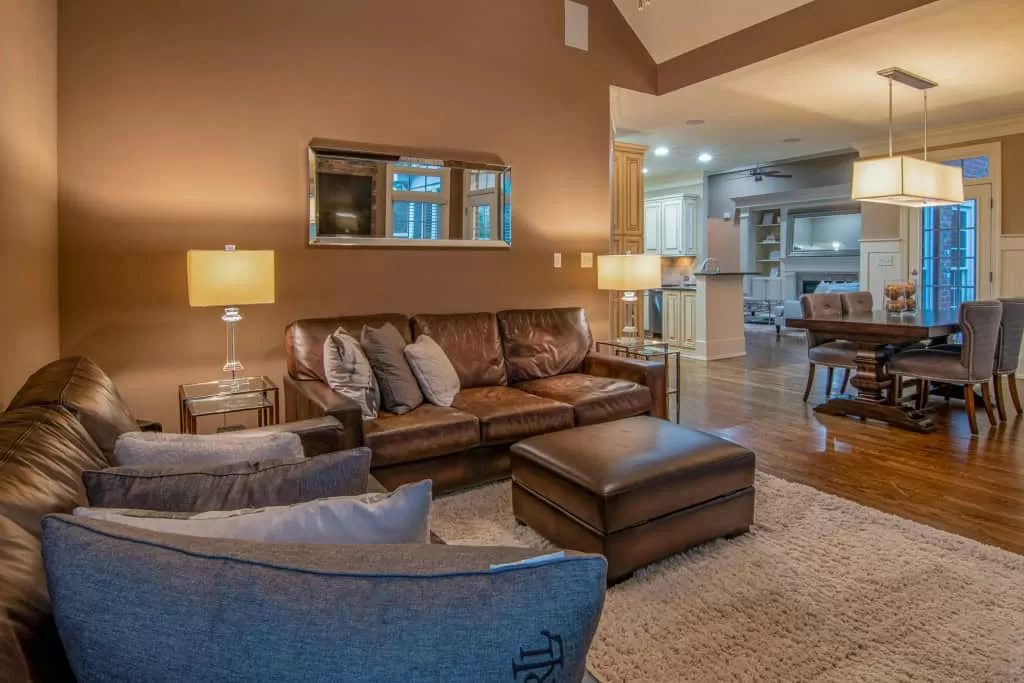
An open floor plan is a popular layout that combines multiple living spaces into one larger, open area. This typically includes the living room, dining room, and kitchen. The walls separating these spaces are removed, creating a seamless flow between rooms. This creates a more spacious and connected feeling within the home. Open floor plans are often associated with modern or contemporary style homes.
Benefits of an Open Floor Plan
One of the main benefits of an open floor plan is the feeling of spaciousness it creates. By eliminating walls and barriers, there is a sense of freedom and openness within the home. This is especially appealing to those who enjoy hosting gatherings and entertaining, as it allows for easy flow between the kitchen, dining, and living areas.
An open floor plan also maximizes natural light. With fewer walls, there are more opportunities for natural light to enter and illuminate the space. This can make the home feel brighter and more inviting, as well as potentially reducing energy costs.
Another benefit of an open floor plan is the flexibility it provides. Without walls to dictate the purpose of a room, homeowners have more freedom to use the space as they see fit. This can be especially appealing for those looking to create a multi-functional space that can adapt to their changing needs.
Drawbacks of an Open Floor Plan
While there are many benefits to an open floor plan, there are also some potential drawbacks to consider. One of the main concerns is privacy. Without walls to separate the spaces, there may be less privacy for certain activities or conversations. This can be a consideration for families with young children or those who value their privacy.
Another potential drawback is noise control. With fewer barriers, noise can easily travel between rooms, making it difficult to have separate conversations or activities without disturbing others. This can be a challenge for those who work from home or have different schedules than their family members.
What is a Closed Floor Plan?
A closed floor plan is the traditional layout where rooms are separated by walls and doors. This creates distinct and defined spaces for specific activities, such as cooking, dining, and relaxing. Closed floor plans are often associated with more traditional or classic style homes.
Benefits of a Closed Floor Plan
One of the main benefits of a closed floor plan is privacy. With separate rooms and walls, there is a clear distinction between spaces and activities. This can be appealing for those who value privacy and prefer to have designated areas for specific activities.
Another benefit of a closed floor plan is noise control. With walls and doors to separate rooms, it’s easier to control noise and have separate conversations or activities without disturbing others. This can be beneficial for families with children or those who work from home.
Drawbacks of a Closed Floor Plan
One of the main drawbacks of a closed floor plan is the potential for a cramped or closed-off feeling. With walls separating spaces, there may be a lack of natural light and airflow, making the home feel smaller and more closed off. This can be an issue for those who enjoy hosting gatherings and entertaining, as it may limit the flow of guests and create a less spacious environment.
Another potential drawback is limited flexibility. With designated rooms and spaces, there is less room for change or adaptation to different needs or lifestyles. This can be a concern for those who prefer a more open and adaptable living space.
How to Choose the Right Floor Plan for You
When it comes to choosing between an open or closed floor plan, there is no one-size-fits-all solution. It ultimately comes down to personal preference and the needs of your lifestyle and family. When considering which floor plan is best for you, here are some key factors to keep in mind:
1. Lifestyle and Needs: Consider your daily routines, hobbies, and lifestyle. Do you enjoy hosting gatherings and entertaining? Do you work from home or have children who require privacy? Understanding your needs and preferences will help guide your decision.
2. Home Goals