
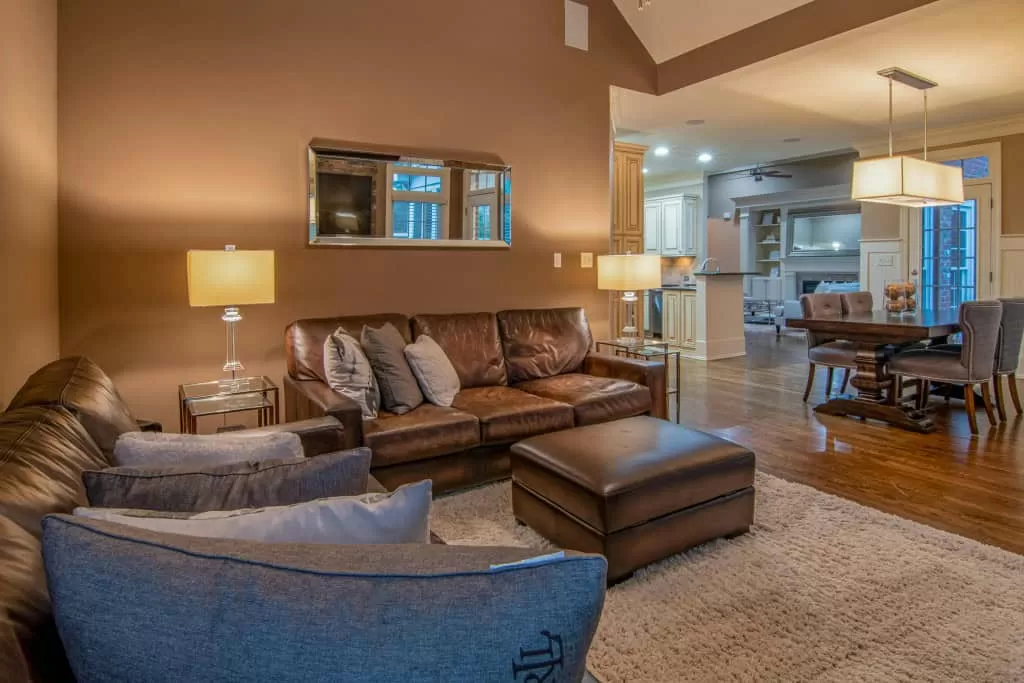
Open Floor Plan vs Closed: The Key Differences Explained
When it comes to designing your dream home, one of the most important decisions you’ll have to make is choosing between an open floor plan and a closed floor plan. These two layout options have become increasingly popular in recent years, but what exactly sets them apart? And which one is right for you? In this article, we’ll explore the key differences between open and closed floor plans, their benefits and drawbacks, and how to determine which one is the best fit for your lifestyle and home goals.
What is an Open Floor Plan?
An open floor plan is a layout that combines two or more living spaces into one large, open area. This typically includes the kitchen, dining room, and living room, with little to no walls or barriers separating them. The concept of an open floor plan originated in the 1950s, but it has gained immense popularity in recent years due to its modern and spacious feel.
Benefits of an Open Floor Plan
One of the main benefits of an open floor plan is that it creates a sense of flow and connectivity throughout the home. Without walls or barriers, it allows for easy movement between rooms and encourages social interaction. This is especially beneficial for families with young children, as parents can keep an eye on their kids while cooking or working in the living room.
An open floor plan also allows for natural light to flow freely throughout the space, making it feel bright and airy. This can help create a more welcoming and inviting atmosphere, perfect for entertaining guests or simply relaxing at home.
Drawbacks of an Open Floor Plan
While an open floor plan has many advantages, it also has some drawbacks to consider. One of the main concerns is the lack of privacy. Without walls or doors, it can be challenging to find a quiet space for work or relaxation. This can also be an issue for families with different schedules, as noise from one area of the home can easily travel to another.
Another potential drawback is the lack of storage space. With fewer walls, there may be limited room for built-in storage, making it challenging to keep the space clutter-free. This can also be a concern for those who prefer a more traditional or formal look in their home.
What is a Closed Floor Plan?
A closed floor plan, also known as a traditional floor plan, is a layout that features distinct rooms separated by walls and doors. This design has been around for centuries and is still a popular choice for many homeowners. It typically includes a formal living room, dining room, and kitchen, with separate bedrooms and bathrooms.
Benefits of a Closed Floor Plan
One of the main advantages of a closed floor plan is the privacy it provides. With distinct rooms, it’s easier to find a quiet space for work or relaxation, making it a great option for those who value their alone time. This layout also allows for more storage space, as there are more walls to incorporate built-in shelves and cabinets.
A closed floor plan can also offer a more traditional and formal feel to a home, which may be appealing to some homeowners. It can also provide better sound insulation, making it a good choice for families with different schedules or those who prefer a quieter living environment.
Drawbacks of a Closed Floor Plan
One of the main drawbacks of a closed floor plan is the lack of natural light. With more walls, it can be challenging to bring in natural light, making the space feel darker and smaller. This can also make it more challenging to monitor children or pets in different areas of the home.
Another potential drawback is the lack of flow and connectivity between rooms. This can make it difficult to entertain guests or keep an eye on children while working in the kitchen. It can also feel more closed off and isolated, which may not be suitable for those who prefer a more open and social living space.
How to Choose the Right Floor Plan for You
When it comes to choosing between an open or closed floor plan, there is no right or wrong answer. It ultimately comes down to your personal preferences and lifestyle. Here are some factors to consider when making your decision:
– Family dynamics: If you have young children or plan to start a family, an open floor plan may be more suitable as it allows for easy supervision and social interaction. However, if you have teenagers or prefer more privacy, a closed floor plan may be a better fit.
– Entertaining: If you love hosting gatherings and having friends over, an open floor plan