
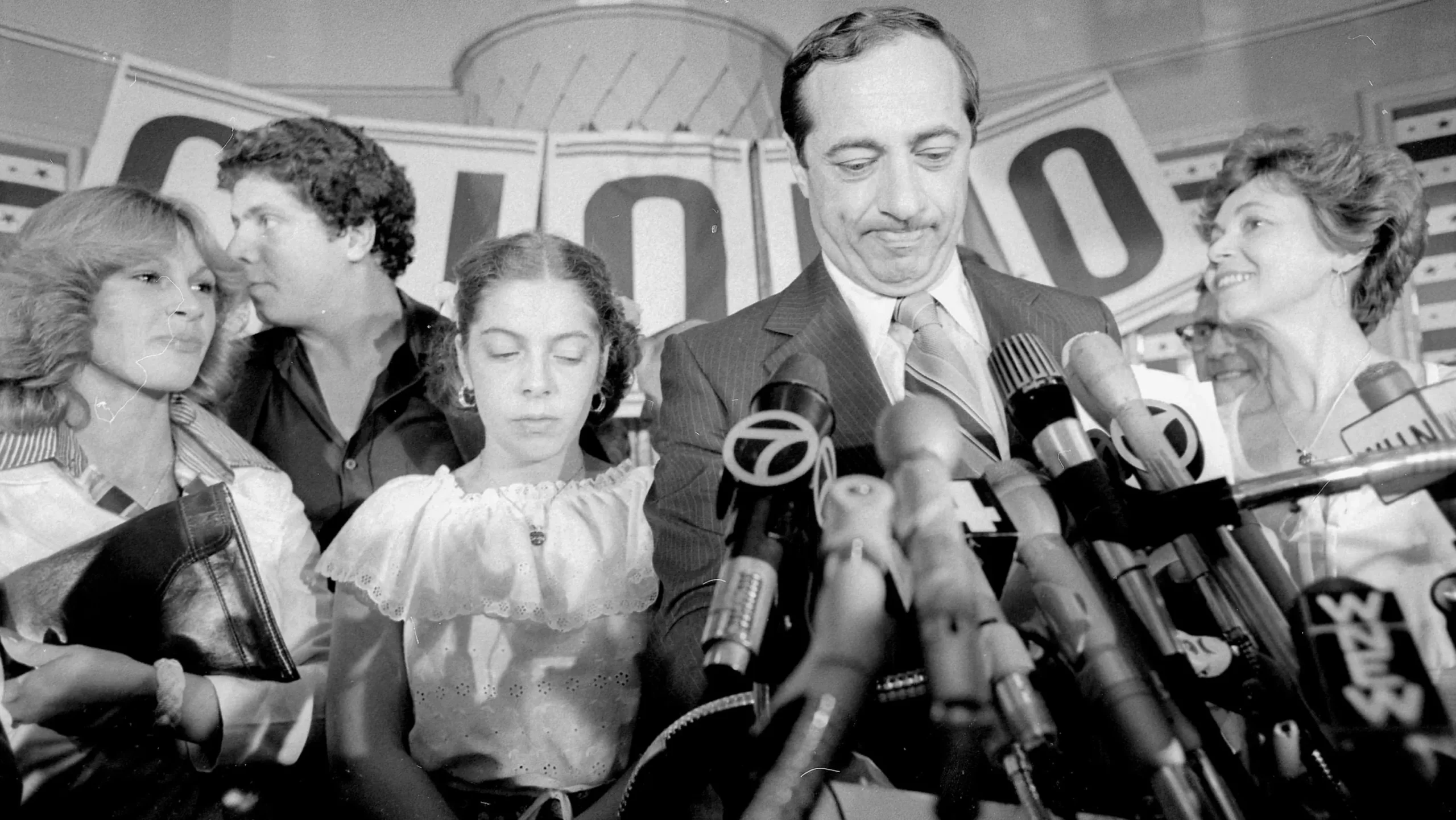
As the race for New York City’s next mayor enters its final stretch, the city is buzzing with excitement and anticipation. With a diverse pool of candidates and a highly contested election, there are echoes and contrasts to another famously bitter city election in 1977. The similarities and differences between these two races offer a unique perspective on the current state of New York City politics.
In 1977, the mayoral race was between two polarizing figures – incumbent Mayor Abraham Beame and challenger Ed Koch. The campaign was marked by intense personal attacks and divisive rhetoric, with both candidates vying for the support of the city’s diverse communities. Fast forward to 2021, and we see a similar dynamic with a crowded field of candidates, each with their own unique backgrounds and visions for the city’s future.
One of the most striking similarities between the two races is the issue of crime and public safety. In 1977, New York City was facing a surge in crime rates, leading to a widespread fear among its residents. This became a central issue in the mayoral race, with both candidates promising to tackle the issue head-on. Similarly, in the current race, crime and public safety have once again taken center stage, with candidates proposing various solutions to address the rise in violent crimes in the city.
However, there are also significant differences between the two races. In 1977, the city was facing a financial crisis, with a looming threat of bankruptcy. This led to a contentious debate over how to manage the city’s finances, with accusations of mismanagement and corruption being thrown around. In contrast, the current race is taking place in a relatively stable economic climate, with the focus shifting towards issues such as affordable housing and income inequality.
Another notable difference is the diversity of the candidates in the current race. In 1977, both Beame and Koch were white males, representing a city that was becoming increasingly diverse. This year, we see a diverse pool of candidates, including the first openly gay candidate, the first female candidate, and several candidates of color. This reflects the changing demographics of New York City and the growing representation of marginalized communities in politics.
Despite the echoes of the past, there is a sense of optimism and hope surrounding the current mayoral race. The city has come a long way since 1977, with significant improvements in areas such as crime rates, economic stability, and diversity. The candidates are offering bold and innovative ideas to address the city’s current challenges, and the voters are engaged and eager to make their voices heard.
Moreover, the COVID-19 pandemic has brought to light the resilience and strength of New Yorkers. The city has faced unprecedented challenges in the past year, but its people have shown remarkable unity and determination in overcoming them. This spirit of resilience and community is reflected in the current mayoral race, with candidates emphasizing the need for unity and collaboration to move the city forward.
As we approach the final stretch of the mayoral race, it is essential to remember the lessons of the past while looking towards a brighter future. The echoes of the 1977 election serve as a reminder of the importance of civility and unity in politics. At the same time, the contrasts highlight the progress and diversity of New York City. Let us embrace this diversity and work together towards a better and more inclusive city for all its residents.
In conclusion, the current mayoral race in New York City is a testament to the city’s resilience and progress. As we witness echoes and contrasts to the 1977 election, let us remember that the future of our city lies in our hands. Let us come together and choose a leader who will continue to build on the city’s strengths and address its challenges with compassion and determination. The best is yet to come for New York City.