
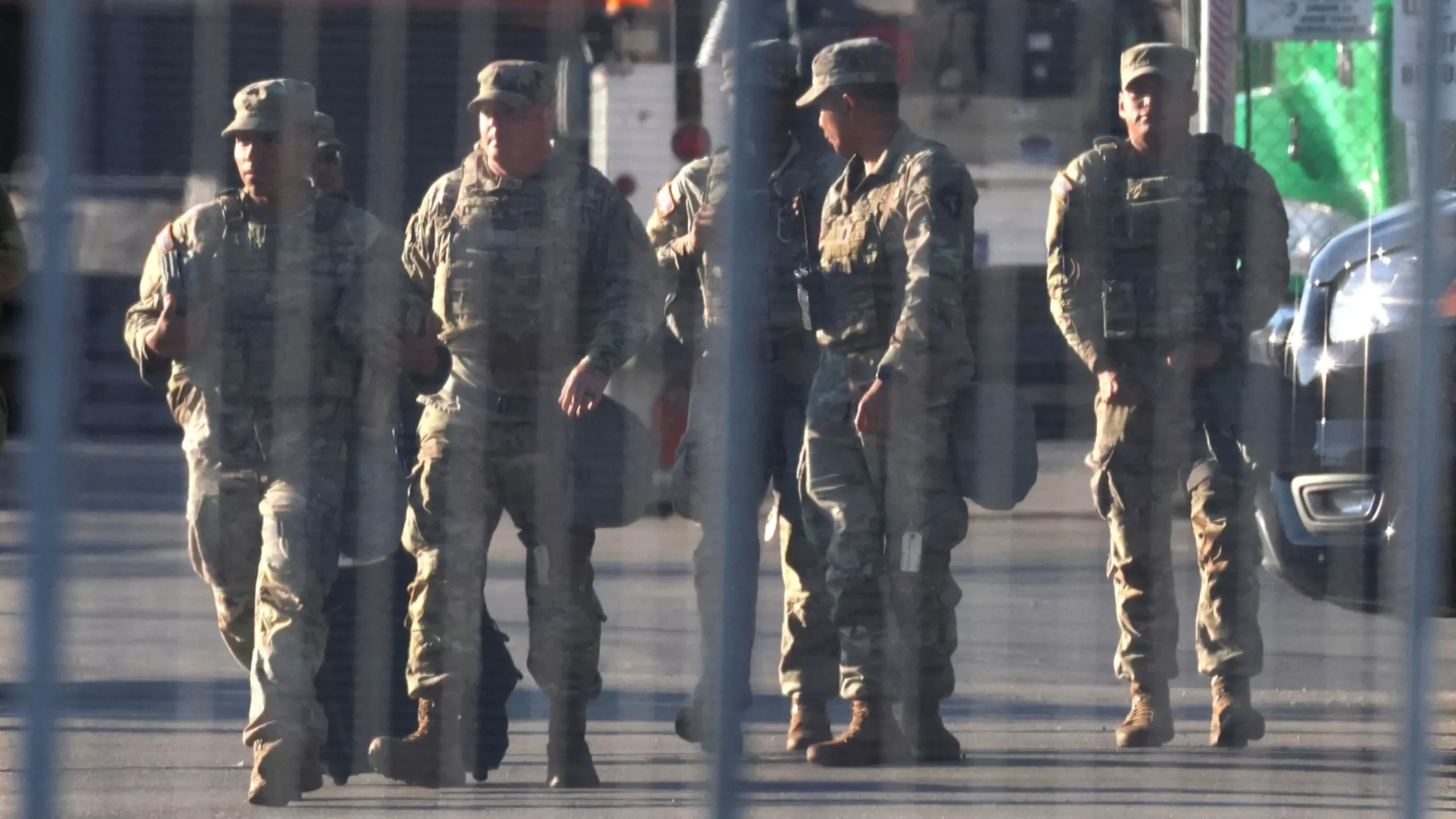
Lawyers for the City of Chicago are taking a bold stance against the Trump administration in a quest to protect its citizens’ rights. The city’s legal representatives have filed a motion in the Supreme Court, urging the court to uphold a previous court order which bars the administration from deploying the National Guard into the city.
The move comes after months of tension between the city and the federal government, with the Trump administration repeatedly threatening to send in the National Guard to “restore law and order” in Chicago. However, the city has vehemently opposed this action, citing significant concerns over the potential violation of civil rights and escalating tensions in the already volatile city.
In June, a federal judge granted the city’s request for a preliminary injunction to prevent the deployment of National Guard troops in Chicago. The judge also noted that the city had “a strong likelihood of succeeding” in its lawsuit against the administration. Despite this, the Department of Justice quickly appealed the ruling, which has now led to the case being brought before the Supreme Court.
At the heart of this legal battle is the power struggle between the city and the federal government. The city argues that the deployment of National Guard troops would greatly exceed the powers granted to the president under the Insurrection Act of 1807, which allows for the use of military forces in the event of a rebellion or insurrection. The city’s legal team argues that the situation in Chicago does not meet the criteria for such an extreme measure.
Furthermore, the city has expressed concerns about the potential violation of civil rights that could occur if the National Guard is deployed in Chicago. The city’s mayor, Lori Lightfoot, has been a vocal advocate for protecting the rights of its residents and has emphasized the need for community-based solutions to address the underlying issues of crime and violence in the city.
The city of Chicago has also questioned the timing of the Trump administration’s threats to send in the National Guard, which come in the midst of ongoing protests against police brutality and systemic racism. The deployment of troops into a predominantly Black community would only serve to further escalate tensions and could potentially lead to unnecessary violence.
In their appeal to the Supreme Court, the city’s lawyers have urged the court to consider the potential ramifications of allowing the National Guard to be deployed in Chicago. They argue that the deployment would not only violate the rights of the city’s residents but would also set a dangerous precedent for future use of military forces in domestic matters.
The city’s legal team firmly believes that the federal government’s efforts to deploy the National Guard in Chicago are a clear overreach of its powers and go against the principles of state and local control. They are confident that the Supreme Court will uphold the previous court ruling and prevent the deployment of troops in the city.
Chicago is a city that has a rich history of standing up for its rights, and this legal battle against the Trump administration is just the latest example of its resilience. The city’s lawyers are determined to protect the rights of its citizens and ensure that their voices are heard.
This matter is not just about Chicago; it has far-reaching implications for the relationship between the federal government and local communities across the country. By standing up against the deployment of National Guard troops, the city of Chicago is setting an example for other cities to follow in protecting the rights of its citizens and maintaining the principles of democracy.
In conclusion, the lawyers for the city of Chicago have taken a bold step in seeking to uphold the court order that bars the Trump administration from deploying the National Guard in the city. They are fighting to protect the rights of its residents and to maintain the principles of state and local control. We can only hope that the Supreme Court will see the merit of their argument and rule in favor of the city, setting an important precedent for the protection of civil rights in the United States.