
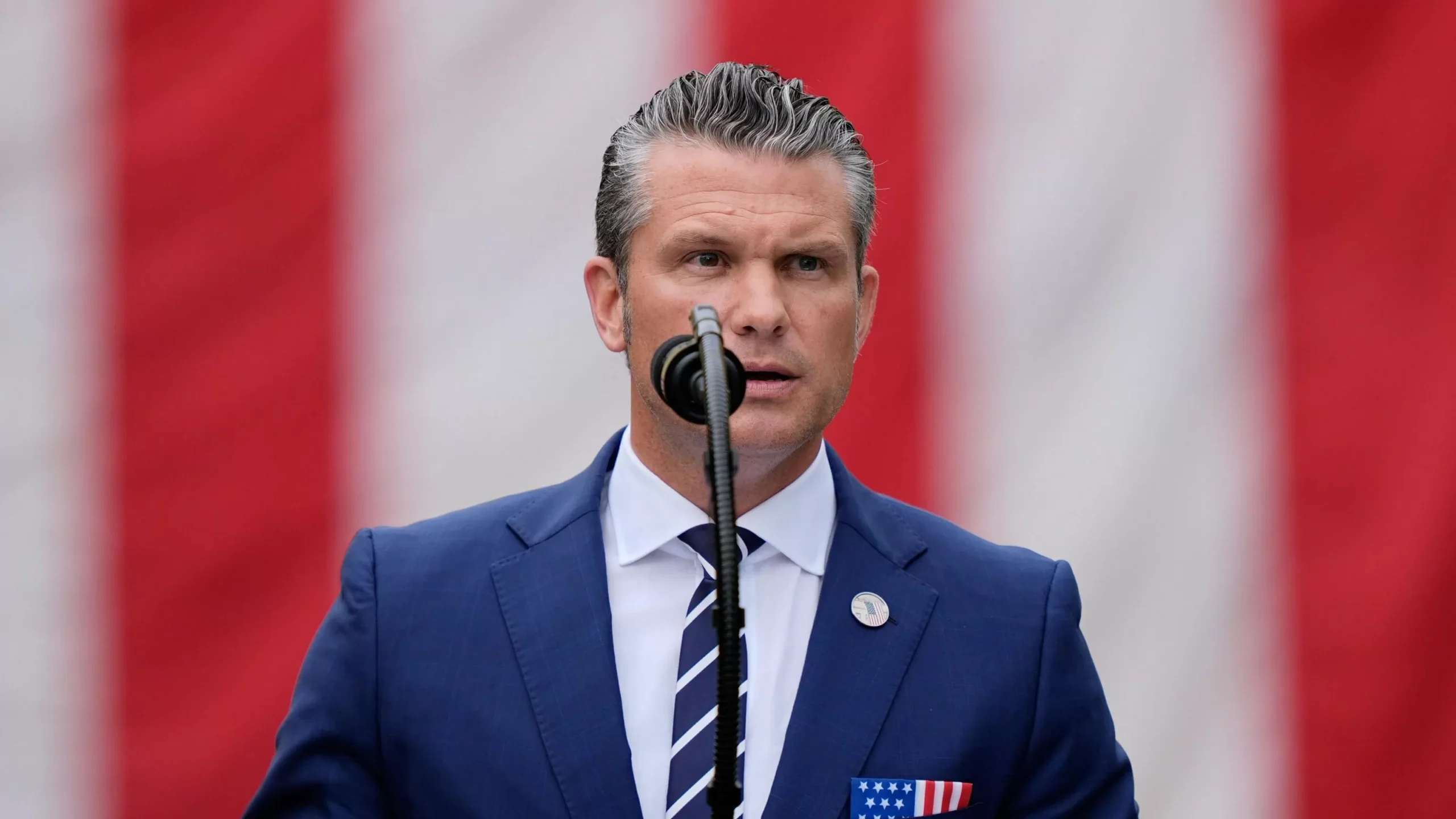
In a historic decision, Defense Secretary Pete Hegseth has announced that the 20 soldiers who received the Medal of Honor for their actions in 1890 at Wounded Knee will keep their well-deserved awards. This decision comes after years of debate and controversy surrounding the events at Wounded Knee, and it is a testament to the bravery and sacrifice of these soldiers.
For those unfamiliar with the events at Wounded Knee, it was a tragic and violent clash between the US Army and the Lakota Sioux tribe in 1890. The conflict resulted in the deaths of hundreds of Native Americans, including women and children. In the aftermath, 20 soldiers were awarded the Medal of Honor for their actions during the battle.
However, in recent years, there have been calls to revoke these medals, citing the unjust treatment of the Native American people and the questionable circumstances surrounding the battle. Many argued that the soldiers’ actions did not meet the criteria for the Medal of Honor, which is awarded for acts of valor and heroism above and beyond the call of duty.
But after careful consideration and consultation with military experts, Secretary Hegseth has decided that the 20 soldiers will keep their medals. In his statement, he acknowledged the complexity of the situation and the need to honor the soldiers’ bravery and sacrifice.
“These soldiers were put in an impossible situation, and they acted with courage and bravery,” Secretary Hegseth said. “They were following orders and doing their duty as soldiers, and for that, they deserve to be recognized.”
This decision has been met with mixed reactions, with some applauding the Secretary’s decision and others criticizing it. However, what cannot be denied is the significance of this decision. It is a recognition of the soldiers’ service and a reminder of the sacrifices made by all those who serve in the military.
Moreover, this decision sends a powerful message of unity and reconciliation. It acknowledges the past injustices and seeks to move forward in a spirit of understanding and respect. It is a step towards healing the wounds of the past and building a better future for all.
The soldiers who received the Medal of Honor for their actions at Wounded Knee were not perfect, and neither was the situation they were in. But their bravery and sacrifice cannot be denied, and they deserve to be honored for their service. As Secretary Hegseth said, “We cannot change the past, but we can learn from it and strive to do better in the future.”
This decision also serves as a reminder of the importance of the Medal of Honor and the values it represents. It is not just a medal; it is a symbol of courage, sacrifice, and selflessness. It is a reminder of the extraordinary individuals who have served and continue to serve in our armed forces.
In conclusion, Secretary Hegseth’s decision to allow the 20 soldiers to keep their Medals of Honor is a significant and commendable one. It honors the soldiers’ bravery and sacrifice, acknowledges the past, and sends a message of unity and reconciliation. Let us remember and honor the soldiers who served at Wounded Knee, and let us strive to live up to the values represented by the Medal of Honor.