
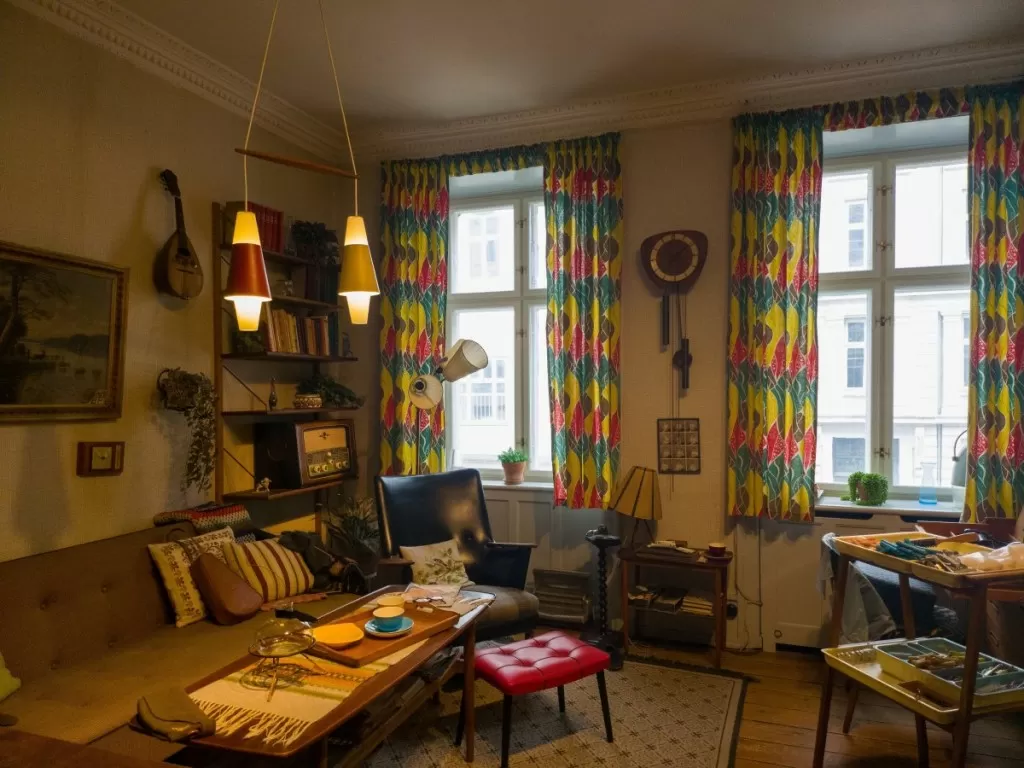
Home design trends are constantly evolving, influenced by various factors such as cultural shifts, technological advancements, and generational preferences. Two generations in particular, the Baby Boomers and Generation X, have had a significant impact on home design from the 1970s to the early 2000s. These two generations have shaped the way we think about and design our homes, leaving a lasting legacy that continues to influence the housing market today.
The Baby Boomer generation, born between 1946 and 1964, saw a surge in homeownership as they reached adulthood. With a strong focus on family and traditional values, Boomers sought homes that were spacious and functional, with a touch of luxury. As a result, the ‘70s and ‘80s saw the rise of open floor plans, grand foyers, and oversized master suites in home design.
In addition to the size and layout of homes, Boomers also influenced the use of certain materials and features. For instance, wood paneling, shag carpeting, and wallpaper were popular choices for interior design during this time. These elements not only added warmth and texture to homes but also reflected the Boomers’ desire for cozy and comfortable living spaces.
Another significant trend that emerged during this time was the inclusion of home offices. With the rise of dual-income families, many Boomers needed a designated space to work from home. This led to the development of home offices, which often featured built-in bookshelves, desks, and storage cabinets.
As the ‘80s and ‘90s rolled in, so did Generation X, the generation born between 1965 and 1980. Unlike their predecessors, Gen Xers tended to value individualism and self-expression over traditional family values. This shift in mindset was reflected in their approach to home design.
One of the major trends that Gen Xers introduced was a focus on the environment and sustainability. With concerns about climate change and the depletion of natural resources, this generation prioritized eco-friendly and energy-efficient features in their homes. This included the use of recycled materials, solar panels, and smart home technology.
In terms of aesthetics, Gen Xers preferred a more minimalist and modern approach to home design. This was evident in the use of sleek and clean lines, neutral color palettes, and open spaces. The popularity of minimalism can also be attributed to the rise of the tiny house movement, which was embraced by many Gen Xers as a way to live more sustainably and affordably.
Another notable trend that emerged during this time was the integration of technology into home design. As Gen Xers were the first generation to grow up with computers and the internet, they were more open to incorporating technology into their homes. This led to the widespread use of home automation systems, home theaters, and other tech-savvy features.
But perhaps the most significant trend that shaped home design during this period was the rise of the suburban McMansion. These large, often cookie-cutter houses became a symbol of success and the American Dream for many Gen Xers. With ample space for entertaining and raising a family, these homes catered to the Gen Xers’ desire for a lavish lifestyle.
As Boomers and Gen Xers continued to influence home design trends, the 2000s saw a merge of their styles. This period marked the rise of the “McModern” house, a blend of traditional and modern elements that catered to both generations’ preferences. These homes featured open layouts, modern finishes, and eco-friendly features, while still maintaining a sense of traditional luxury.
In recent years, the housing market has seen a shift towards more contemporary and sustainable design trends, influenced by the younger generations such as Millennials and Gen Z. But the impact of Boomers and Gen X on home design cannot be overlooked. Their preferences and values have shaped the way we live and design our homes, leaving a lasting legacy that continues to influence the housing market today.
In conclusion, the Baby Boomer and Generation X generations have had a significant impact on home design trends from the 1970s to the early 2000s. From spacious layouts and traditional elements to sustainability and modern minimalism, these two generations have left a mark on the way we think about and design our homes. As we continue to see new trends emerge, the influence of these two generations will always be present in the ever-evolving world of home design.